Johannesburg's reputation as a global sporting powerhouse rests on infrastructure that few African cities can match. Yet as the city's major venues age and competing demands for funding intensify, questions loom about whether the facilities that built this legacy can sustain it.
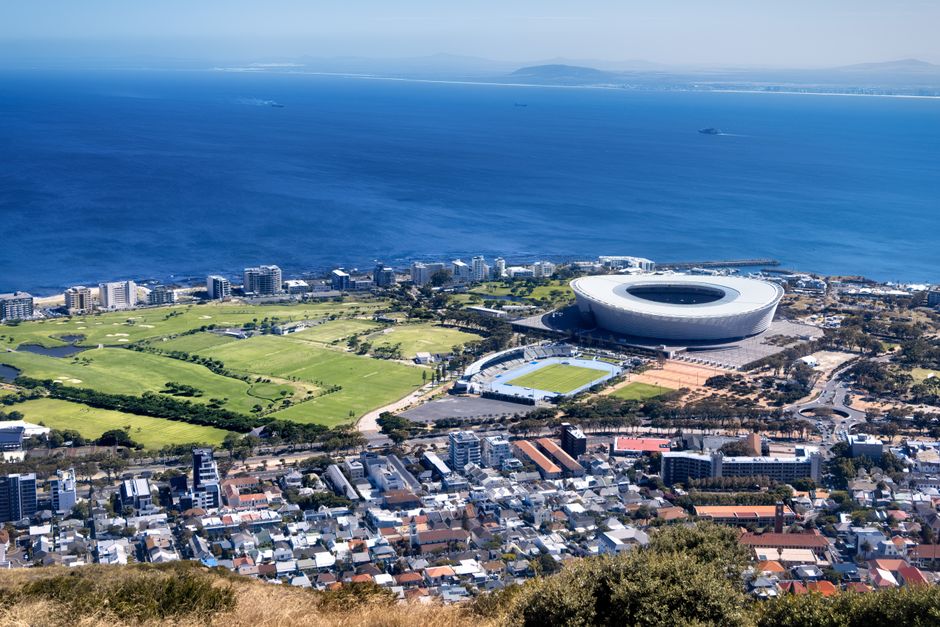
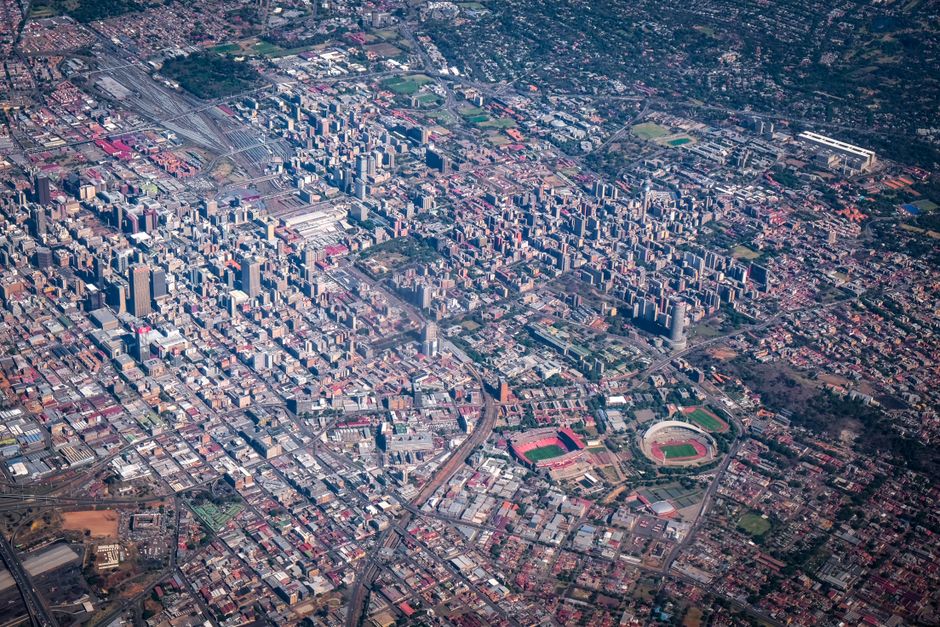
The Wanderers Stadium in Illovo remains the continental flagship for cricket, hosting international test matches and franchises worth millions annually. Across the city, Ellis Park in Doornfontein continues its 80-year tradition as a rugby cathedral, while the Johannesburg Stadium in Nasrec—originally built for the 2010 FIFA World Cup—anchors municipal sports infrastructure serving football and athletics. Together, these venues generate estimated annual revenues exceeding R800 million and attract international tourists who contribute significantly to the local economy.
Beyond the marquee stadiums, suburban facilities tell a more complex story. The Wanderers' adjacent training grounds in Illovo, along with the High Performance Centre in Midrand, serve as development pipelines for elite athletes. Loftus Versfeld precinct facilities in Pretoria, though outside Johannesburg proper, remain within the metropolitan region's sporting ecosystem. Meanwhile, neighbourhood clubs in Randburg, Sandton, and the City Bowl operate aging cricket and rugby fields that demand constant attention.
Infrastructure challenges are real. Many suburban facilities lack modern drainage systems vulnerable to Johannesburg's summer flooding, while changing demographic patterns mean facilities built for different communities now serve different populations with shifting sporting priorities. Annual maintenance backlogs at municipal venues are estimated at R200 million, according to sport management specialists tracking the issue.
The private sector has partially filled gaps. The Johannesburg Country Club and various corporate-backed facilities offer premium access, but this creates a two-tier system where elite athletes train in world-class conditions while grassroots players contend with deteriorating municipal fields. Investment in youth academies and community-based training centres remains fragmented, with no coordinated citywide strategy.
What distinguishes Johannesburg from competing African metros is neither innovation nor cutting-edge design—many facilities are decades old—but rather sheer quantity and concentrated quality. No other sub-Saharan city bundles cricket, rugby, football, and athletics infrastructure of comparable standard in one metropolitan area.
As Johannesburg competes to host mega-events and retain franchises in the post-2026 landscape, stakeholders acknowledge that venue maintenance and strategic upgrades are non-negotiable. The question facing the city isn't whether it has great stadiums—it demonstrably does. Rather, it's whether Johannesburg will invest adequately to ensure they remain great.
This article was compiled by AI from the sources linked above and screened before publishing. See our editorial standards.