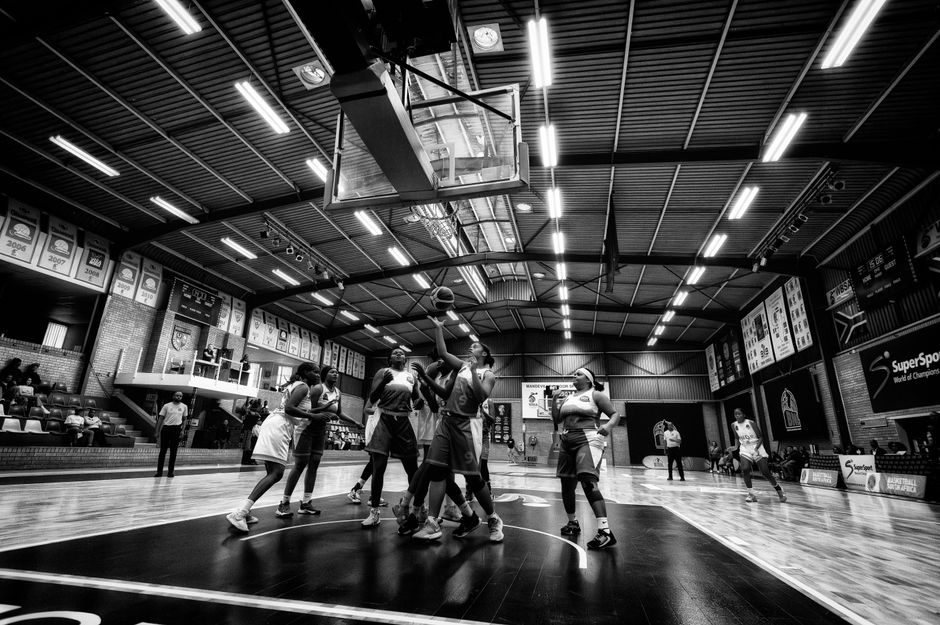
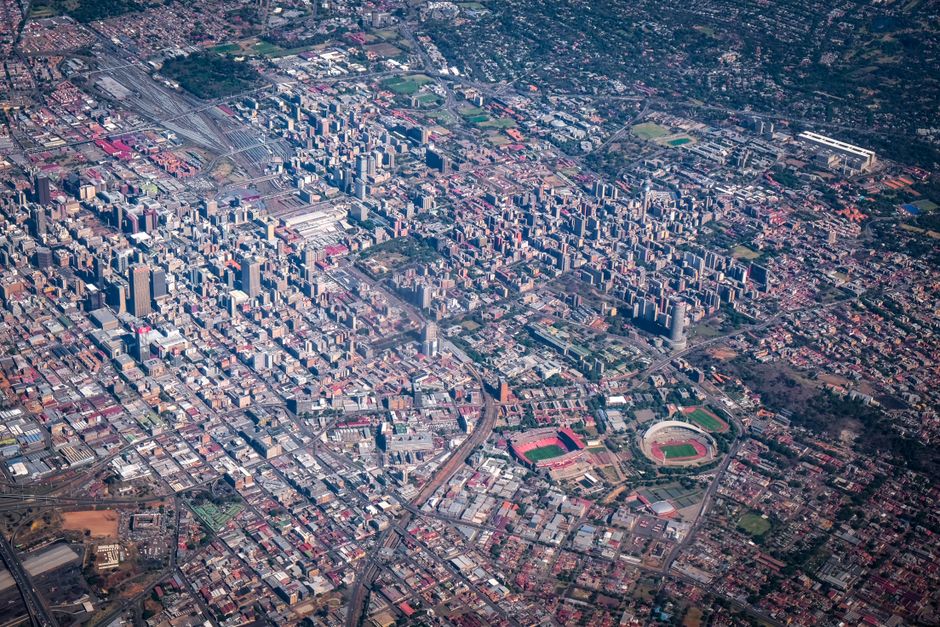
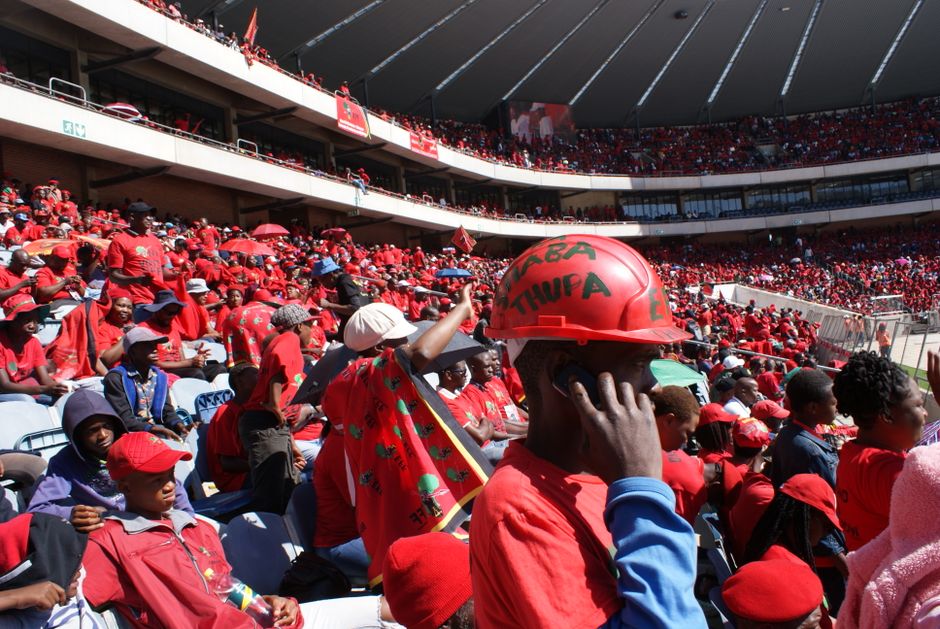
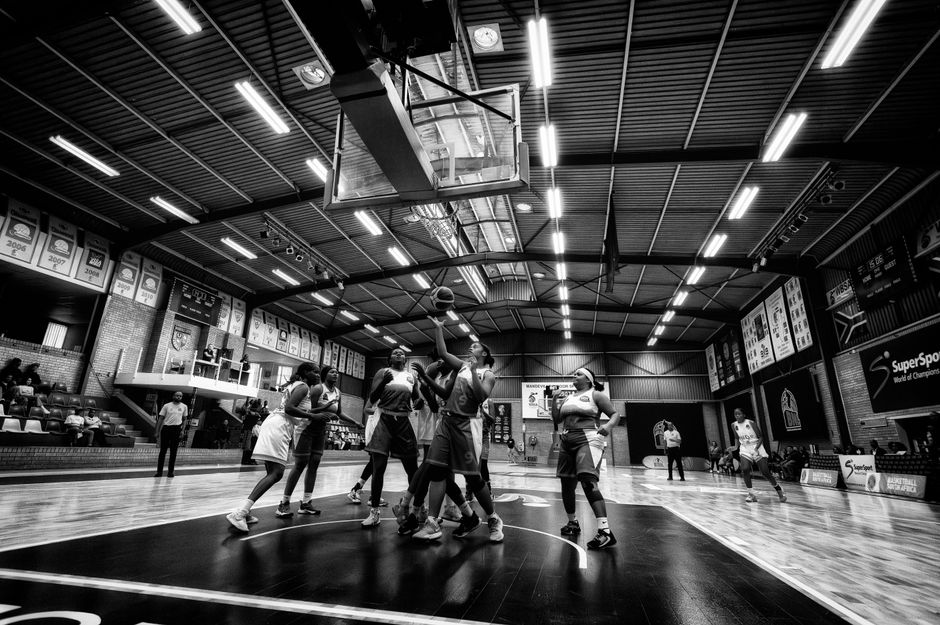
Walk through Alexandra township on any Saturday morning and you'll find dozens of young footballers training on a pitch that's more pothole than grass. It's a scene replicated across Johannesburg's working-class neighbourhoods—from Soweto to Diepsloot—where the infrastructure supporting youth sport development has become a cautionary tale of municipal neglect and systemic inequality.
The numbers tell a stark story. According to the Johannesburg Parks and Recreation Department, fewer than 40% of public sports facilities across the metro have been properly maintained in the past three years. Court surfaces at venues like the Soweto Indoor Sports Centre and facilities in Hillbrow have cracked beyond safe use. Tennis courts in Parktown and Rosebank, once considered premier training grounds, now sit largely dormant due to poor upkeep.
For grassroots clubs operating on shoestring budgets, the cost of facility hire has become prohibitive. Monthly rental fees at functioning venues range from R2,500 to R8,000—pricing that pushes many community organisations out of the market entirely. The Johannesburg Youth Football League, which coordinates over 50 clubs across the metro, reports that nearly 30% of member organisations have relocated or suspended operations since 2024 due to facility costs and availability.
Private investment has filled some gaps. Clubs in Sandton and Midrand benefit from well-maintained grounds and modern amenities, creating a stark divide. Meanwhile, youngsters in Kliptown, Soweto, and Orange Farm make do with municipal grounds where drainage systems have failed and boundaries are marked with paint on bare earth.
The Eastern Gauteng Youth Sports Initiative, a non-profit operating across the eastern corridor, has become a lifeline for dozens of clubs. Yet even their efforts to rehabilitate venues along the Empire Road belt—including facilities in Bedfordview and Germiston—face budgetary constraints that leave projects perpetually incomplete.
Local councillors acknowledge the crisis. The 2025-2026 municipal budget allocated only R47 million toward sports facility maintenance across a city of 6.4 million people. Advocacy groups argue this represents less than 1% of council's total capex spending, far below the minimum recommended by national sport development frameworks.
The human cost is measured in lost potential. Coaches report that talented young athletes from disadvantaged areas abandon sport by age 13, not because they lack ability, but because facilities become inaccessible or unsafe. Until Johannesburg's leadership prioritises infrastructure investment in township and township-adjacent communities, the city's grassroots sport development will remain structurally unequal—and countless young athletes will never get their chance.
This article was compiled by AI from the sources linked above and screened before publishing. See our editorial standards.