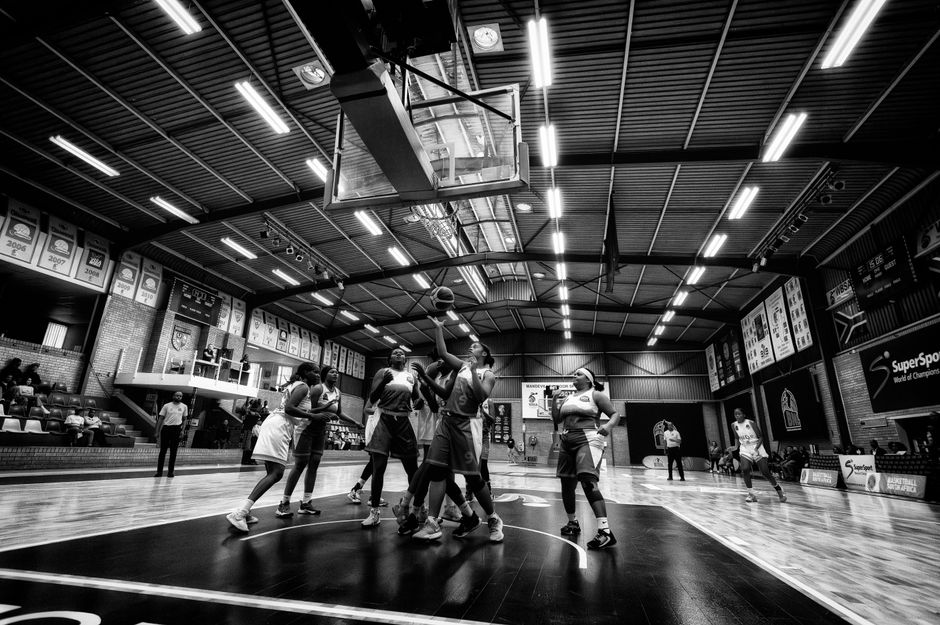
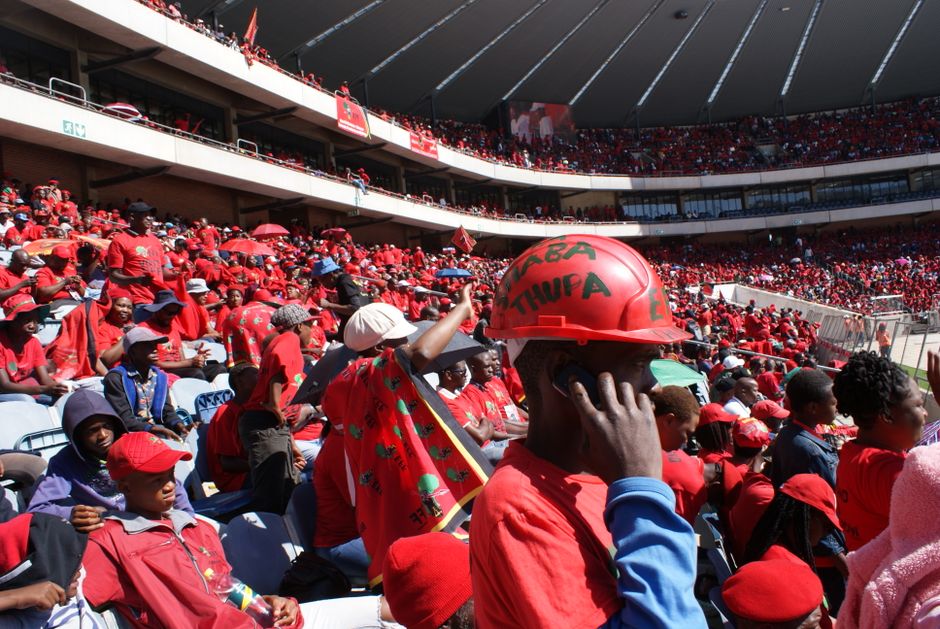
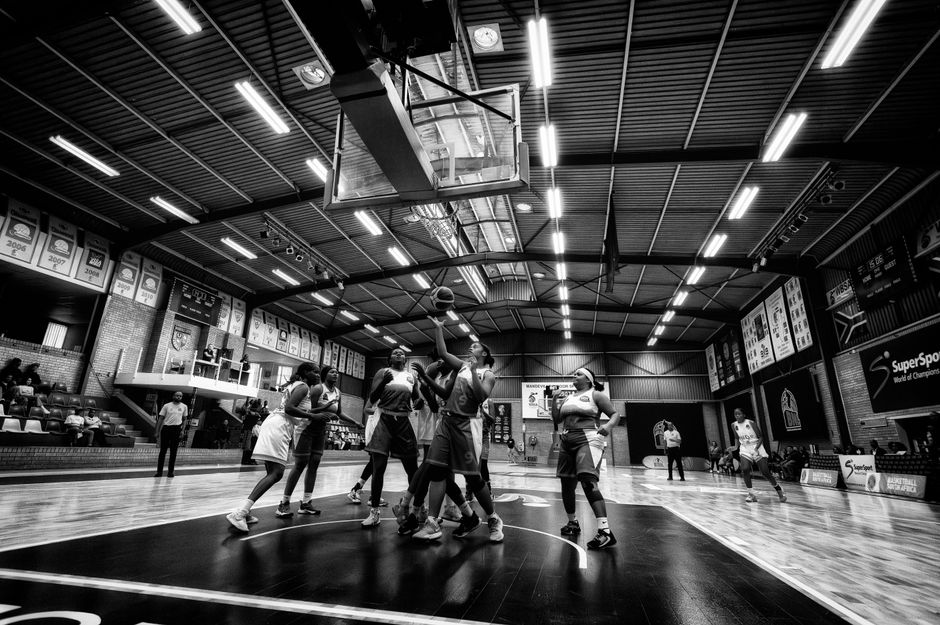
While Ellis Park and Soccer City continue to host the marquee fixtures that capture national attention, a quieter revolution is unfolding across Johannesburg's neighbourhoods. Local sporting clubs—operating from modest grounds in Soweto, Alexandra, Sandton, and beyond—are discovering that the most valuable asset isn't a championship trophy, but the community that gathers weekly on their pitches.
Kaizer Chiefs and Orlando Pirates may dominate the headlines, but clubs like Moroka Swallows have built something equally powerful: trust. Their base in Soweto extends far beyond the 90 minutes on the pitch. The club operates youth development programmes reaching over 800 children annually, with monthly membership fees at just R150—accessible to families across income brackets. The Swallows' home ground, Dobsonville Stadium, has become a social hub where matches attract 4,000-6,000 fans, generating grassroots revenue that reinvests directly into local infrastructure.
Similar patterns emerge across the city. In Alexandra, smaller rugby clubs have partnered with local government to transform underutilised facilities on 5th Avenue into multi-purpose sporting and recreational spaces. These venues now host not only matches but youth camps, disability-inclusive programmes, and women's leagues that have expanded female participation by 35% over three seasons.
The economics tell a compelling story. A mid-tier local football club operating in Johannesburg's suburbs generates approximately R2.8 million annually through match attendance, sponsorships, and community programmes—money that typically remains within the local economy rather than flowing to corporate entities. Ground maintenance, security, and administrative roles employ dozens of residents per club.
What distinguishes these clubs from their elite counterparts is accessibility. While PSL matches command premium ticket prices, local clubs charge R20-50 per match, ensuring families can attend regularly. This affordability has created a culture of belonging that transcends sport. Parents use club grounds as safe spaces; youth find mentorship; elderly residents discover purpose through supporting their neighbourhood sides.
Sandton-based rugby clubs have championed inclusivity differently, establishing scholarships that have sent 47 young athletes from disadvantaged backgrounds to university in the past five years. Meanwhile, women's football clubs operating in inner-city areas like Hillbrow have become platforms for economic empowerment, with players earning match fees and developing professional pathways.
As Johannesburg continues to evolve, these local clubs remind us that sporting legacy isn't always measured in trophies or television rights. Sometimes it's measured in the number of children who learn discipline on a neighbourhood pitch, the families strengthened by weekly traditions, and the communities transformed one match at a time.
This article was compiled by AI from the sources linked above and screened before publishing. See our editorial standards.