Suburbs Where Buying is Now Cheaper Than Renting: The 2026 Shift in Joburg
From Linden to Fourways, property market data reveals that mortgage repayments have fallen below typical rents in several Johannesburg neighbourhoods.
From Linden to Fourways, property market data reveals that mortgage repayments have fallen below typical rents in several Johannesburg neighbourhoods.

In a reversal of the pandemic-era trend, new research shows that monthly mortgage repayments have dipped below average rents in a handful of Johannesburg suburbs—making it cheaper to buy a home than sign a lease, at least in some postcodes.
With rents hitting record highs late last year and interest rates stabilising at 11.25%, property watchers say the balance has tipped in favour of first-time buyers in selected areas. The shift puts buying on the table for those who’ve long felt priced out of popular neighbourhoods.
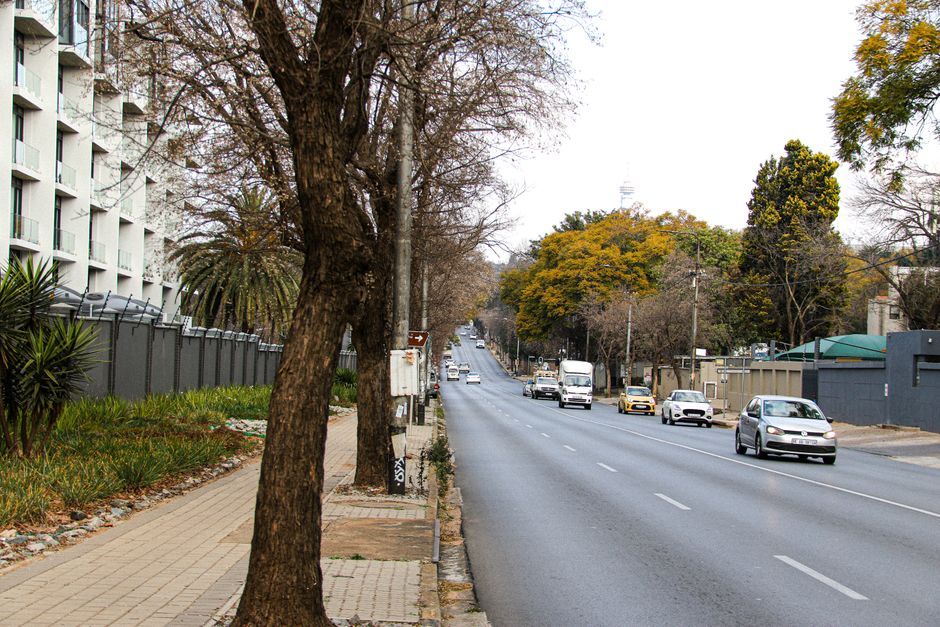
The trend is most obvious in dynamic middle-market enclaves like Linden and pockets of Fourways. On 4th Avenue, Linden, two-bedroom flats now fetch average rents of R10,500 a month, according to Lightstone Property. Yet a similar unit in the same block sells for roughly R1.2 million. Factoring in a 10% deposit and the current prime rate, monthly bond repayments land around R9,600—nearly R1,000 less than leasing.
In Fourways’ fast-developing precincts bordering William Nicol Drive, sectional title apartments regularly let for R12,000 a month. Yet the transfer price for a typical two-bed in the Cedar Lofts development is R1.35 million, putting the bond repayment at about R10,800 with a modest deposit. The result: buying now saves new owners over R1,000 per month compared to renting.
Estate agents from Pam Golding’s Parkhurst and Seeff Fourways branches confirmed a surge in interest from renters weighing the numbers. Melville, another suburb benefitting from urban renewal policies championed by the Johannesburg Development Agency, is also seeing this narrowing gap—though prices remain slightly more balanced.
Johannesburg’s citywide median house price currently stands at R1.5 million, according to a June 2026 FNB Property Barometer report. But price differentials play out street by street. While prime Sandton and Morningside still favour landlords—median rent for a one-bed at Legacy Corner is R17,000 against a R2.1 million sale price—formerly overlooked spots such as Midrand’s Noordwyk and Weltevreden Park are now solidly in buyers’ territory.
Figures from property analytics firm TPN Credit Bureau aligned with Lightstone’s data, showing that the average buy-to-rent ratio tilted in buyers’ favour in 8 out of 14 major Johannesburg sub-markets by April 2026. Sectional title properties, popular with investors, show the sharpest divide: in Melrose Arch, median rents are up 7% year-on-year, but mortgage costs fell or levelled out due to stagnant prices and a stabilising central bank policy.
Property economist Mariska Botha pointed to softening inflation and reduced transfer duty for first-time buyers as critical factors. While household incomes remain under pressure from utility hikes, government incentives like the Finance Linked Individual Subsidy Programme are making down-payments easier for buyers with modest salaries.
Market insiders expect the trend to last while current rates hold. With FNB forecasting only a modest rate hike in late 2026, the affordability edge for buyers in key suburbs is here to stay—unless home prices suddenly surge.
Would-be homeowners are being urged to crunch the numbers for their target suburb, taking into account transfer fees, home insurance, and rates. Industry sources say apartments within walking distance of Gautrain stations in Rosebank and Midrand are on the cusp: in Rosebank, renting a studio averages R15,400 per month, while the bond on a similarly priced R1.85 million unit comes in at R15,700—nearly neck and neck.
City-based mortgage originators suggest locking in pre-approvals now, before any further repo rate movements. For those eyeing long-term value and looking to break out of the rental inflation cycle, suburbs like Linden, Fourways, and parts of Melville offer a compelling argument to act sooner rather than later.
Keep an eye on local listings, and make sure to consult with a registered bond originator or financial planner. In this rapidly changing market, that extra R1,000 a month might be the nudge that finally turns renters into owners.
How does this story make you feel?
Spread the word
About this article
Published by The Daily Johannesburg
Daily brief
Free, in your inbox before 7am. Weekdays.
More in Property