What Joburg Renters Can Do When Leases End Amid Tight Supply
As rental stock tightens in Johannesburg, tenants face tough choices at lease renewal. Here’s what you need to know—and what you can do next.
As rental stock tightens in Johannesburg, tenants face tough choices at lease renewal. Here’s what you need to know—and what you can do next.
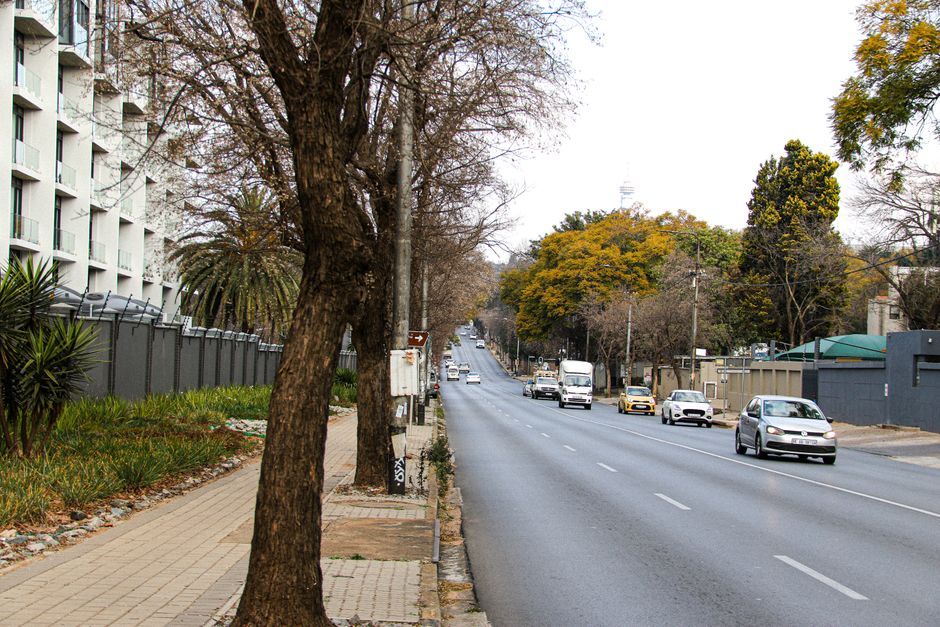
Pamela Mokoena’s lease at a two-bedroom flat on Main Road, Melville, expires in three weeks. The property manager has already warned her that the rent will rise by at least 8% if she renews—if she’s offered a renewal at all. It’s a reality confronting thousands of Joburg renters as the city faces its leanest rental supply in years, stacking the odds against those hoping to stay put, negotiate new terms, or buy their way out of rising rents.
This crunch comes as Joburg’s property market absorbs waves of demand from people priced out of homeownership or disrupted by rising interest rates. Median sale prices in Sandton have soared above ZAR 2.4 million, making entry-level buying increasingly tricky. Meanwhile, stock levels in the sectional title segment are at a five-year low, according to data released in June by TPN Credit Bureau. Many landlords have opted to sell, while property investors are holding off on new purchases, reducing available rental units across hot spots like Braamfontein and Fourways.
For inner-city dwellers, this means fewer units and greater competition, especially around education hubs and transit corridors. On Louis Botha Avenue and Oxford Road, letting agents report more than 50 enquiries per new listing within hours of posting, with waitlists becoming common at managed complexes like The Median and BlackBrick Sandton. The supply strain echoes broader national shifts, but is most sharply felt in Johannesburg’s engine-room neighbourhoods.
Rental inflation outpaced salary growth in Johannesburg throughout 2025, with PayProp’s latest report showing average monthly rents hitting ZAR 9,200 citywide—up from ZAR 8,350 a year earlier. Units in the most popular northern suburbs—Rosebank, Bryanston, and Sunninghill—now attract rentals of ZAR 12,000 to 18,000 for standard two-beds. Analysts from Lightstone Property confirm that turnover rates among tenants have also slowed: only 14% of renters moved in the past year, compared to 22% in 2022. That locks out newcomers and makes lease renewal a high-stakes decision.
Buying is increasingly out of reach for typical renters. With prime lending rates at 13.75% and upfront transfer costs on a ZAR 1.5 million unit in Midrand exceeding ZAR 90,000, many tenants are unable to secure a mortgage, let alone a deposit—and banks have tightened lending criteria as the repo rate rises.
Renters approaching the end of a lease have more options than it might seem at first glance. First, start negotiations at least six weeks before expiry. If a rent hike is on the table, arm yourself with market comparisons—websites like Private Property and Property24 let you monitor actual closing prices in your building or street. If your landlord wants to sell, South African law offers some protections: you’re usually entitled to 30 days' notice, and the Consumer Protection Act requires written notice for non-renewal unless you’re on a fixed short-term contract. Consider moving slightly further afield; for example, Maboneng and Kensington are seeing a trickle of new stock at lower price points compared to Parkhurst or Sandton.
If you’re looking to buy, investigate rent-to-own schemes or fractional ownership options now being piloted in projects like Melrose View. For those squeezed by both landlords and lenders, pooling resources with flatmates or extended family is still a practical, if unglamorous, solution. Letting agents from Lew Geffen Sotheby’s advise monitoring new releases daily—timing your search right after month-end, when stock briefly ticks upward. Finally, keep official proof of all correspondence; in a tight market, disputes over deposits and notice periods are surging in the Small Claims Court at Johannesburg Magistrate’s on Pritchard Street.
The next six months aren’t likely to bring significant relief, and consolidation among landlords could make negotiation tougher. For now, vigilance, flexibility, and early action are the best tools in a Joburg renter’s kit.
How does this story make you feel?
Spread the word
About this article
Published by The Daily Johannesburg
Daily brief
Free, in your inbox before 7am. Weekdays.
More in Property