Johannesburg Property Prices 2024: Where Buyers Should Act Now
Interest rate cuts reshape Joburg's market. Discover which suburbs offer real value as affordability gaps widen and smart investors pivot strategically.
Interest rate cuts reshape Joburg's market. Discover which suburbs offer real value as affordability gaps widen and smart investors pivot strategically.
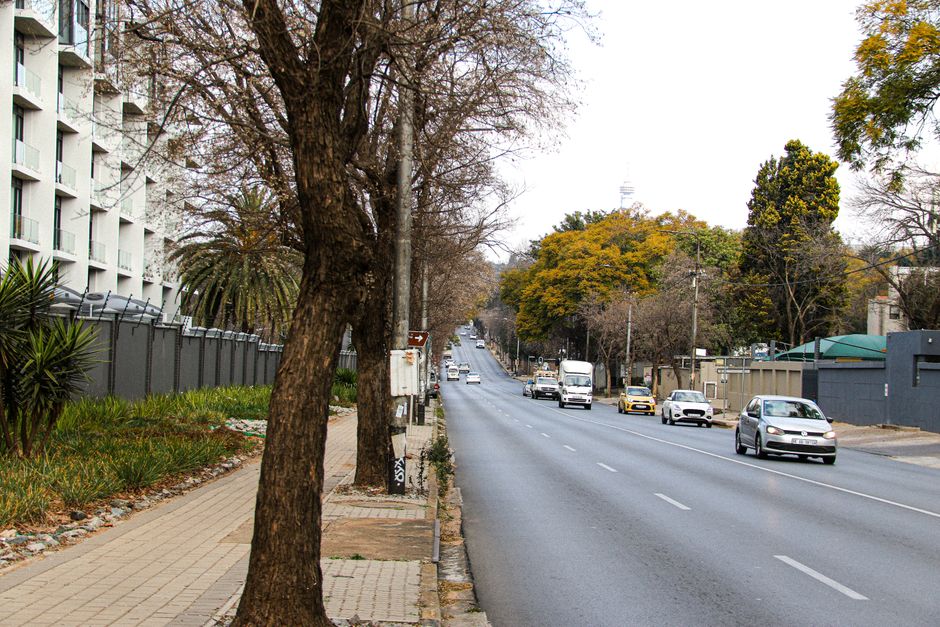
Johannesburg's property market is at a crossroads. After two years of cautious movement, recent Reserve Bank rate cuts have loosened lending conditions, breathing new life into segments that felt frozen. Yet beneath the surface, affordability pressures are pushing buyers into unexpected corners of the city—and reshaping where value actually lies.
The headline number remains unchanged: Johannesburg's average property price hovers around ZAR 1.5 million. But that figure masks a market fracturing along clear lines. Sandton continues to command premiums, with properties in the corporate heartland around Rivonia Road and Grayston Drive holding firm at ZAR 3.5 million and beyond. These remain destination addresses for executives and foreign investors seeking stability. Yet for middle-income buyers—the segment that traditionally fuelled Joburg's growth—entry costs there have become prohibitive.
That's driving a visible migration. Fourways and Midrand are capturing momentum, with young families and first-time investors finding sectional title units in the ZAR 1.2–1.8 million range. Estate agents report sectional title appetite has surged 23% year-on-year; the format appeals to buyers who want lock-and-leave convenience and lower maintenance than standalone homes. The concentration around Fourways Town Centre and emerging nodes along Witkoppen Road reflects this shift toward suburban density over sprawl.
Melville's urban renewal story is equally telling. The inner-city neighbourhood has attracted investors betting on gentrification, with renovated period properties now trading at ZAR 2–2.5 million—a 15% jump since 2024. Young professionals and creatives see appeal in proximity to Parkhurst restaurants, the Braamfontein arts precinct, and reduced commute times. It's a different buyer profile from Sandton, but the conviction is equally strong.
What's driving these shifts? Three forces collide: interest rates finally moving in buyers' favour; tight supply in established zones forcing competition upward; and a growing cohort prioritising lifestyle over location status. The rate environment matters enormously—a 50-basis-point cut translates to real monthly savings on bond repayments, unlocking purchasing power for fence-sitters.
For buyers now, the calculus has changed. Overpaying for a Sandton address you'll hold for ten years looks riskier than positioning in Fourways or Melville, where supply pipelines are active and buyer diversity is growing. Sectional title no longer carries a stigma; it's become strategic.
The message for savvy investors: affordability gaps mean zone selection matters more than ever. Joburg isn't one market anymore—it's several, with different drivers, different timelines, and different entry points.
This article was compiled by AI and screened before publishing. See our editorial standards.
How does this story make you feel?
Spread the word
About this article
Published by The Daily Johannesburg
Daily brief
Free, in your inbox before 7am. Weekdays.
More in Property