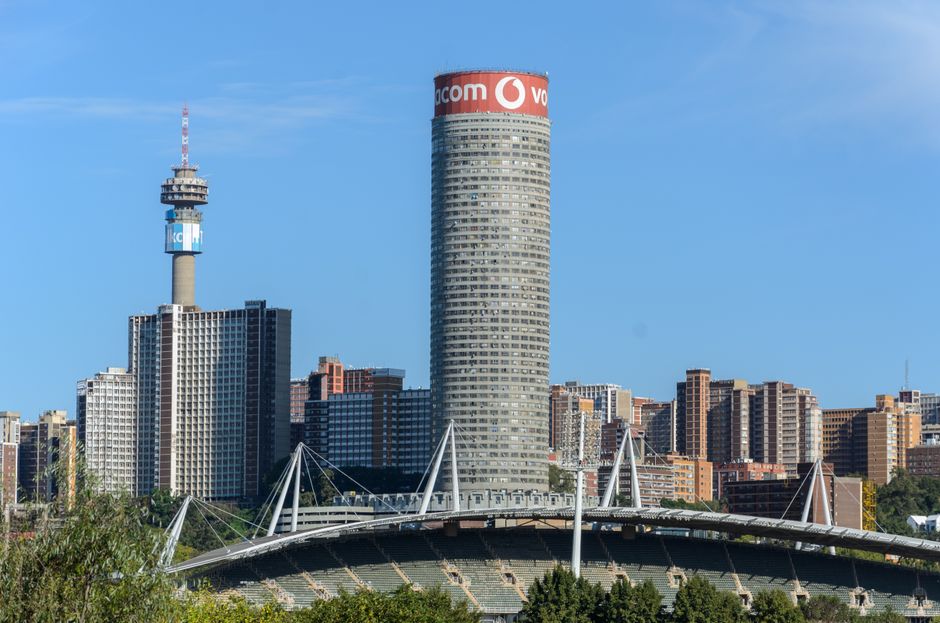
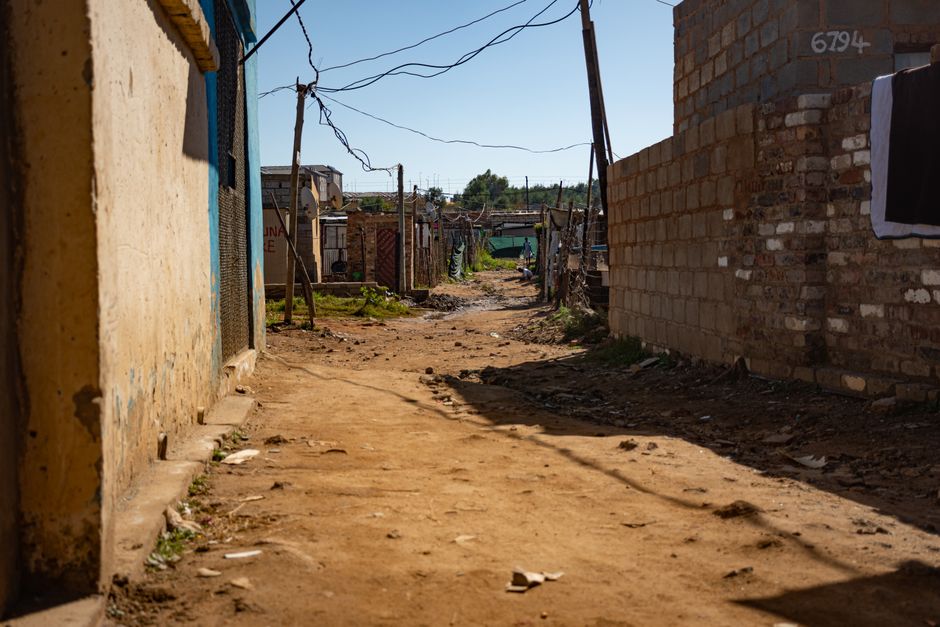
The first-home buyer landscape in Johannesburg is shifting beneath our feet. While median property prices hover around ZAR 1.5 million across the city, a wave of new residential developments is fragmenting the market in ways that savvy newcomers are beginning to exploit.
The most significant movement is happening in Midrand and Fourways, where multiple mixed-use developments are targeting the entry-level segment. These aren't your grandmother's sprawling estates—they're compact, service-rich communities with integrated retail, transport connections, and walkable street networks. For first-time buyers leveraging the government's Housing Subsidy Scheme or accessing First-Time Buyer mortgage products through banks like FNB and Absa, these zones offer genuine value where a ZAR 800,000 to ZAR 1.2 million budget stretches further.
Meanwhile, the urban renewal story in Melville and surrounding inner-city precincts is attracting a different demographic. Young professionals are discovering that sectional title units in newly refurbished buildings along 7th Street or in nearby converted warehouse complexes offer affordability coupled with lifestyle density. The Gauteng Department of Human Settlements continues to roll out grants for qualifying buyers—up to ZAR 87,000 in subsidies for those earning under ZAR 3,500 monthly—and these developments are increasingly tailored to meet those specifications.
What's changed? Infrastructure investment. New projects in Midrand benefit from proximity to OR Tambo's economic corridor and improved Gautrain accessibility. Fourways developments tap into the area's matured service sector. Both zones are attracting retail and employment nodes that add intrinsic value beyond property appreciation.
However, location still determines everything. A sectional title unit in a new Midrand development with two bedrooms might cost ZAR 950,000, whereas similar square meterage in established Sandton commands ZAR 2.8 million. The trade-off: newer infrastructure versus established neighbourhood character.
For first-time buyers, the strategic play is straightforward: align your grant eligibility with developments that are infrastructure-adjacent. Check whether projects have BEE-compliant developer credentials (mandatory for subsidy qualification), confirm municipal service readiness, and assess transport connectivity—because resale value follows access patterns.
The National Credit Regulator has tightened mortgage lending criteria, making developer-backed finance packages more attractive. Many new projects now partner with financial institutions to streamline approval for first-buyers, effectively reducing transaction friction.
Johannesburg's property market hasn't become affordable overnight. But targeted development in growth nodes has created windows where first-home buyers can plant genuine roots rather than stepping stones.
This article was compiled by AI and screened before publishing. See our editorial standards.