How Joburg's New Zoning Laws Are Reshaping Where Buyers Can Afford to Live
Mixed-use development policies and densification targets are shifting property values across the city, with winners and losers emerging in unexpected pockets.
Mixed-use development policies and densification targets are shifting property values across the city, with winners and losers emerging in unexpected pockets.
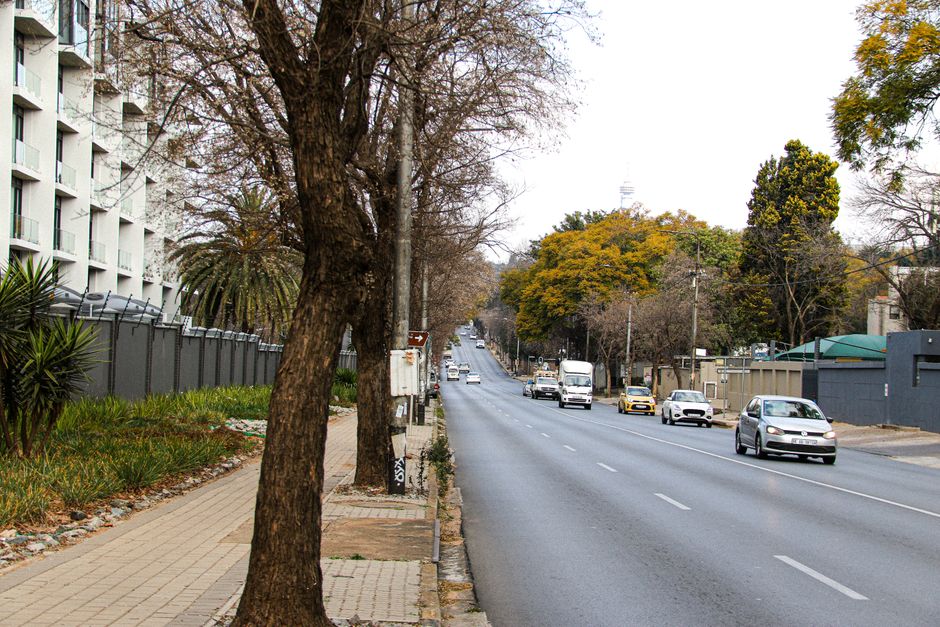
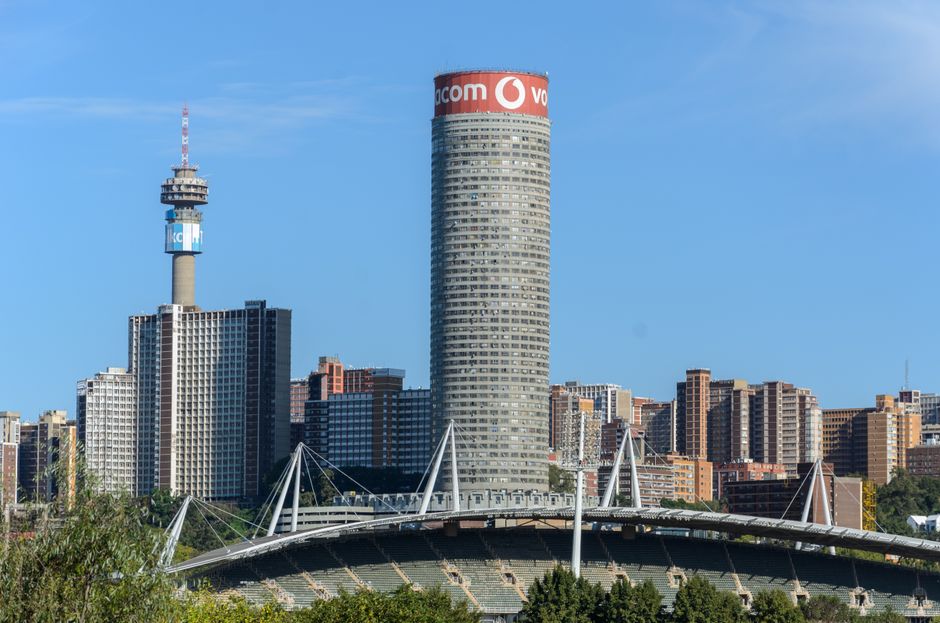
Johannesburg's property market is undergoing a quiet but significant restructuring, driven not by interest rate moves or global economics alone, but by the City's own planning decisions. The adoption of stricter mixed-use zoning regulations and densification targets—intended to address housing shortages and urban sprawl—is already reshaping affordability patterns across key neighbourhoods.
The shift is most visible in traditionally single-family zones. Areas like Melville, which have been fast-tracked for sectional title and multi-unit development under the City's urban renewal framework, have seen median prices climb from around ZAR 1.8M in 2024 to ZAR 2.3M today. While densification was meant to improve affordability through supply, it has instead attracted developers and investors betting on long-term capital growth, pricing out first-time buyers in the process.
Conversely, neighbourhoods further out—Midrand and parts of Fourways—initially considered peripheral, have benefited from new transport-oriented development corridors approved by the City last year. These areas now attract younger professionals seeking value, with entry-level properties holding steady around ZAR 1.2M to ZAR 1.5M, undercutting central zones significantly.
Sandton remains insulated. Premium properties continue commanding ZAR 4M-plus, as restrictive zoning policies there actively limit high-density development. This creates a stark two-tier market: protected, expensive enclaves versus rapidly densifying, increasingly expensive inner-city neighbourhoods.
The real tension, however, lies in the City's inconsistent application of these policies. Sectional title developments in Melville have mushroomed following policy approval, yet similar applications in surrounding areas face bureaucratic delays. This unpredictability has made investor behaviour erratic—capital flows to perceived "safe" densification zones while other areas stagnate.
Property professionals point to a fundamental mismatch: zoning changes were designed to unlock affordability through increased supply, but without complementary rent controls or affordable housing mandates, developers have simply built premium units. The average Joburg property price hovers at ZAR 1.5M, but new stock in densified areas typically lands at ZAR 2M-plus.
City officials defend the approach, arguing that policy stability and development certainty will eventually attract diverse housing types. What remains unclear is whether market forces alone will deliver affordability, or whether further policy intervention—such as inclusionary housing requirements—will be needed to prevent densification from simply gentrifying inner-city neighbourhoods rather than democratising access to them.
This article was compiled by AI and screened before publishing. See our editorial standards.
How does this story make you feel?
Spread the word
About this article
Published by The Daily Johannesburg
Daily brief
Free, in your inbox before 7am. Weekdays.
More in Property