Joburg's New Rental Regulations Set to Reshape Vacancy Rates Across Key Neighbourhoods
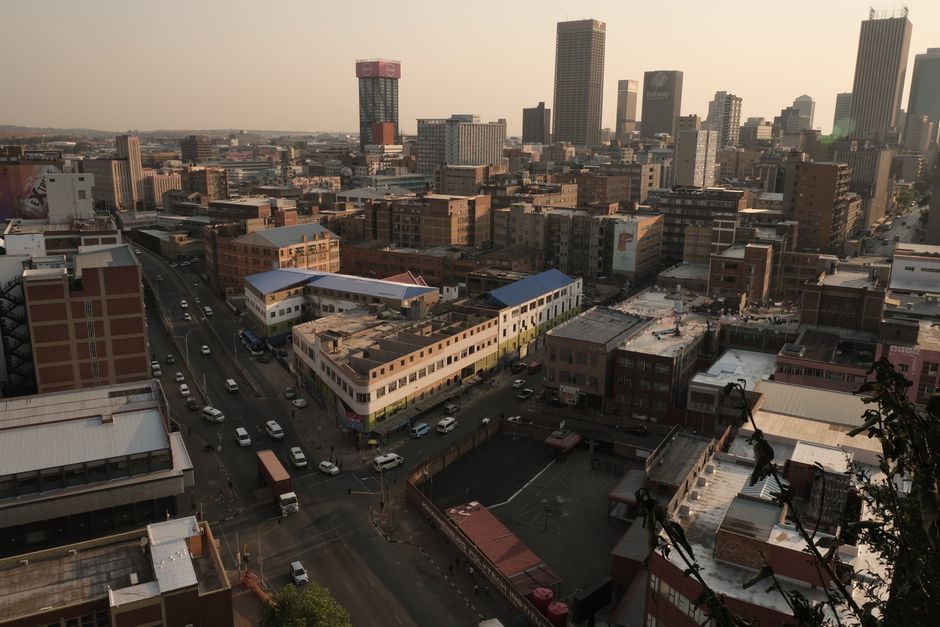
Stricter tenant protection policies and zoning amendments are already influencing landlord behaviour in Sandton, Fourways, and emerging Melville precincts.
Stricter tenant protection policies and zoning amendments are already influencing landlord behaviour in Sandton, Fourways, and emerging Melville precincts.
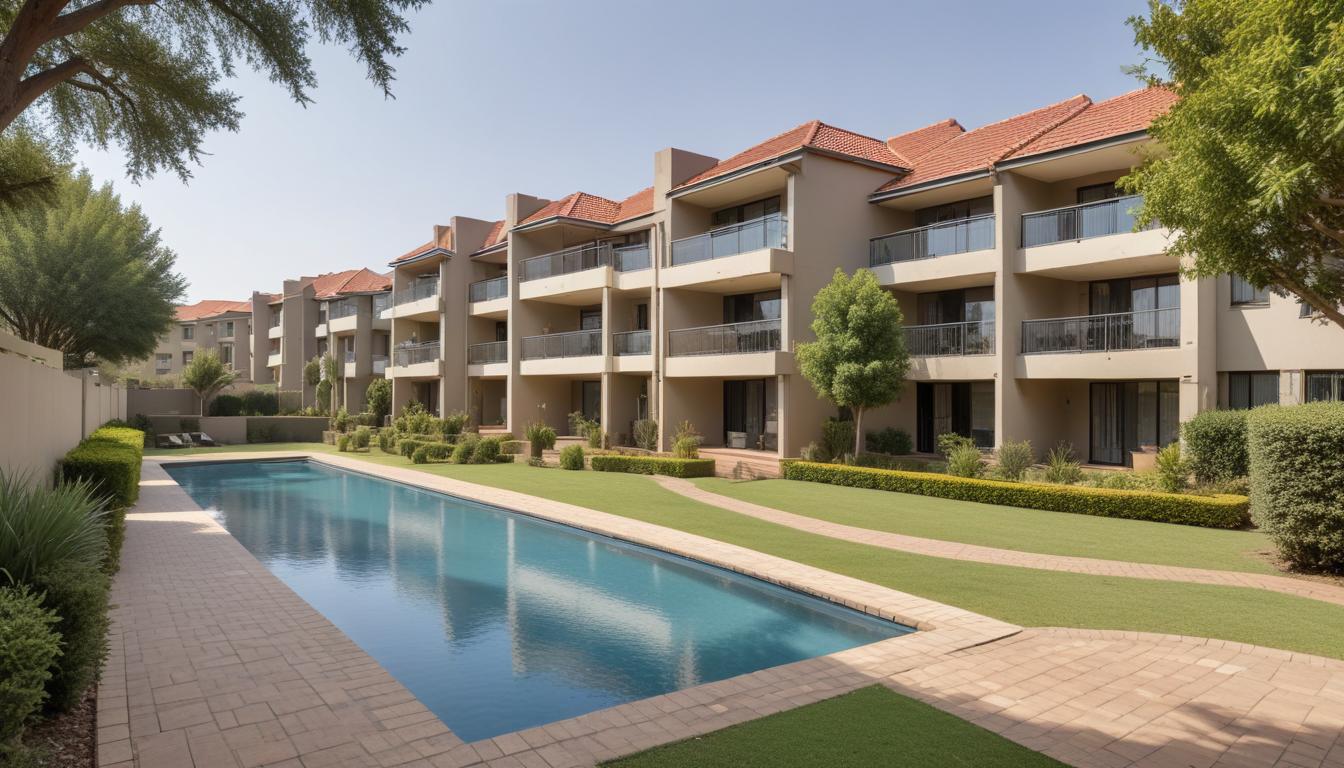
Johannesburg's rental market is entering uncharted territory as new provincial housing regulations take effect this quarter, with preliminary data suggesting vacancy rates in premium areas could swing dramatically in tenants' favour.
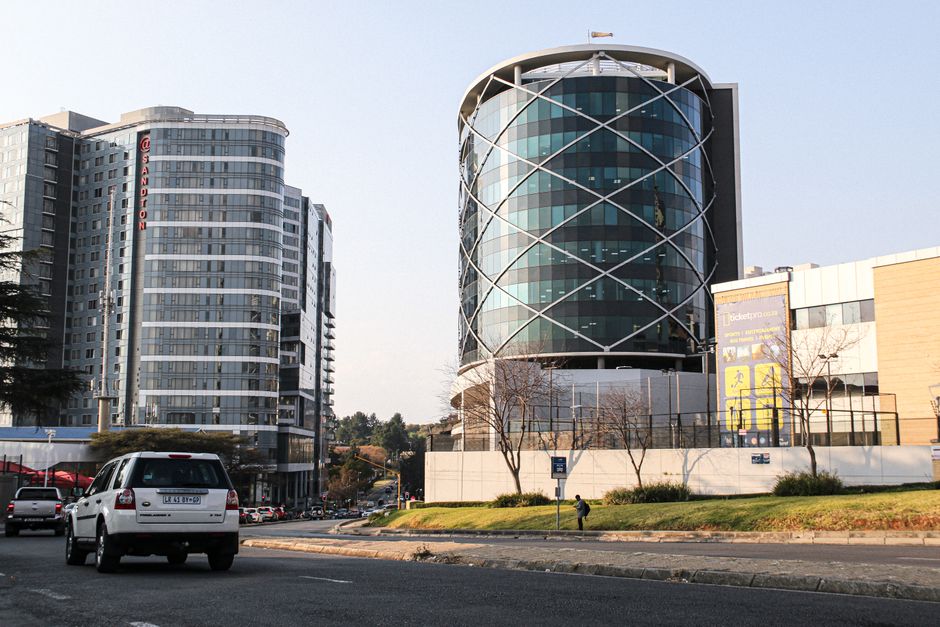
The City of Johannesburg's revised rental policy framework—implemented following months of stakeholder consultation—introduces mandatory rent increase caps of 5.5% annually, extended lease protections, and stricter maintenance standards. Property managers across Sandton report a measurable shift in tenant confidence, with the vacancy rate in the blue-chip district hovering around 6.2%, down from 9.1% recorded in early 2025. Average monthly rentals for a two-bedroom apartment in the Sandton CBD remain elevated at approximately ZAR 28,000, but landlords facing stricter compliance requirements have begun pricing more competitively.
The policy's ripple effects extend beyond the traditional powerhouses. Fourways and Midrand—traditionally viewed as growth corridors—are experiencing renewed investor interest precisely because the new regulations level the playing field between large corporate landlords and smaller portfolio holders. Commercial precincts along Grayston Drive and Katherine Street report inquiries up 34% quarter-on-quarter, though vacancy remains at a healthy 7.8%.
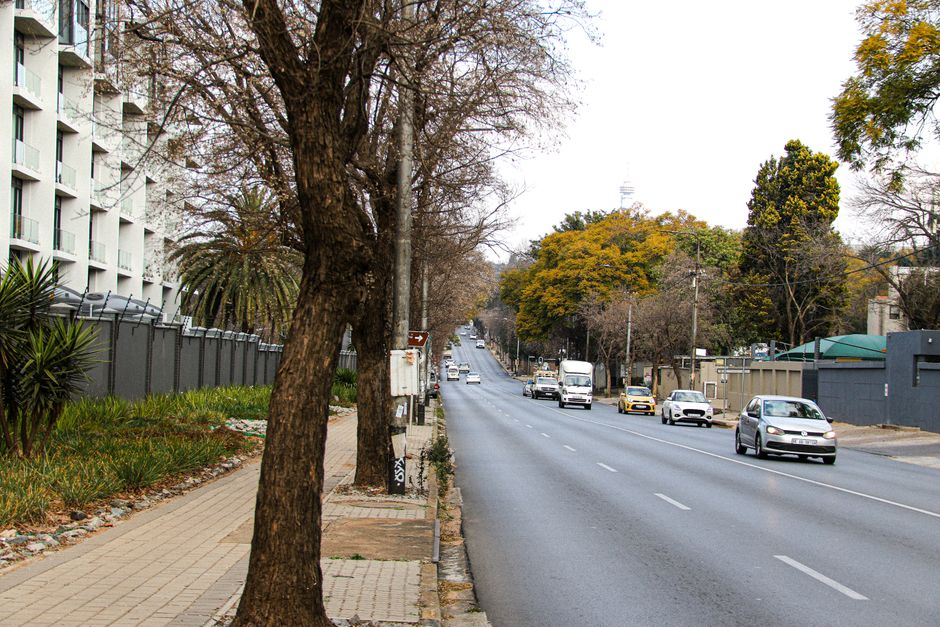
Most intriguing is the renaissance unfolding in Melville, where zoning amendments permitting mixed-use developments have catalysed urban renewal. The neighbourhood's vacancy rate sits at 4.9%, the lowest in Johannesburg's inner-city revival belt, with sectional title rentals in converted Victorian properties commanding ZAR 12,000–16,000 monthly for two-bedroom units. Young professionals and remote workers appear attracted by the neighbourhood's walkability around Melville Square and proximity to Linden, challenging the suburban dominance of areas like Johannesburg's northern suburbs.
However, tenant advocates caution that the policy pendulum presents challenges. Developers now face increased regulatory burden, potentially dampening new supply precisely when the market needs it. The Johannesburg Property Owners and Managers Association has flagged concerns that stricter compliance costs will be passed to tenants through higher base rentals, particularly in aspirational areas targeting the ZAR 1.5M annual household income bracket.
The Joburg Housing Department's next review, scheduled for September 2026, will assess whether vacancy stabilisation translates to genuine affordability gains or merely redistributes costs. For now, tenants navigating Johannesburg's rental landscape should expect tighter lease terms, improved dispute resolution mechanisms, and landlords genuinely competing for retention—a structural shift not witnessed since the post-2008 property downturn.
This article was compiled by AI from the sources linked above and screened before publishing. See our editorial standards.
How does this story make you feel?
Spread the word
About this article
Published by The Daily Johannesburg
Daily brief
Free, in your inbox before 7am. Weekdays.
More in Property