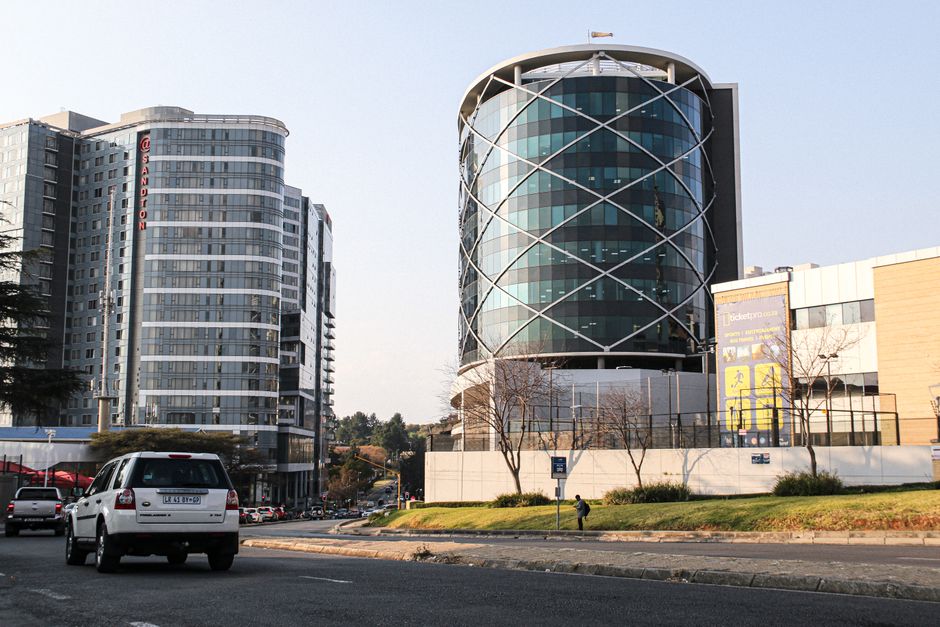
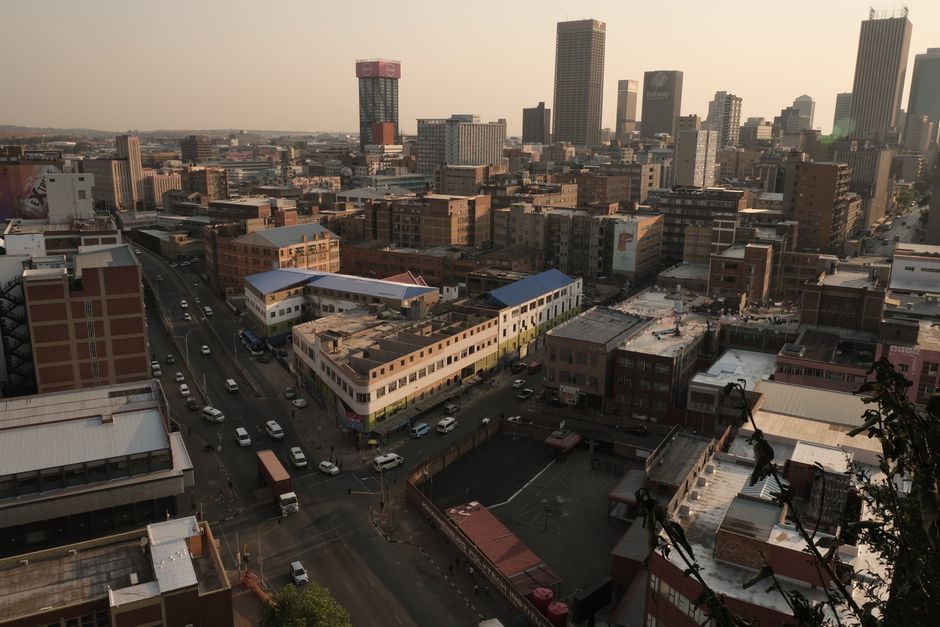
Parkhurst's transformation from quiet residential enclave to property investor's darling reflects a broader shift in Johannesburg's real estate landscape. Once overshadowed by Sandton's gleaming corporate addresses and Fourways' sprawling estates, this compact northern suburb is capturing attention—and capital—at a remarkable pace.
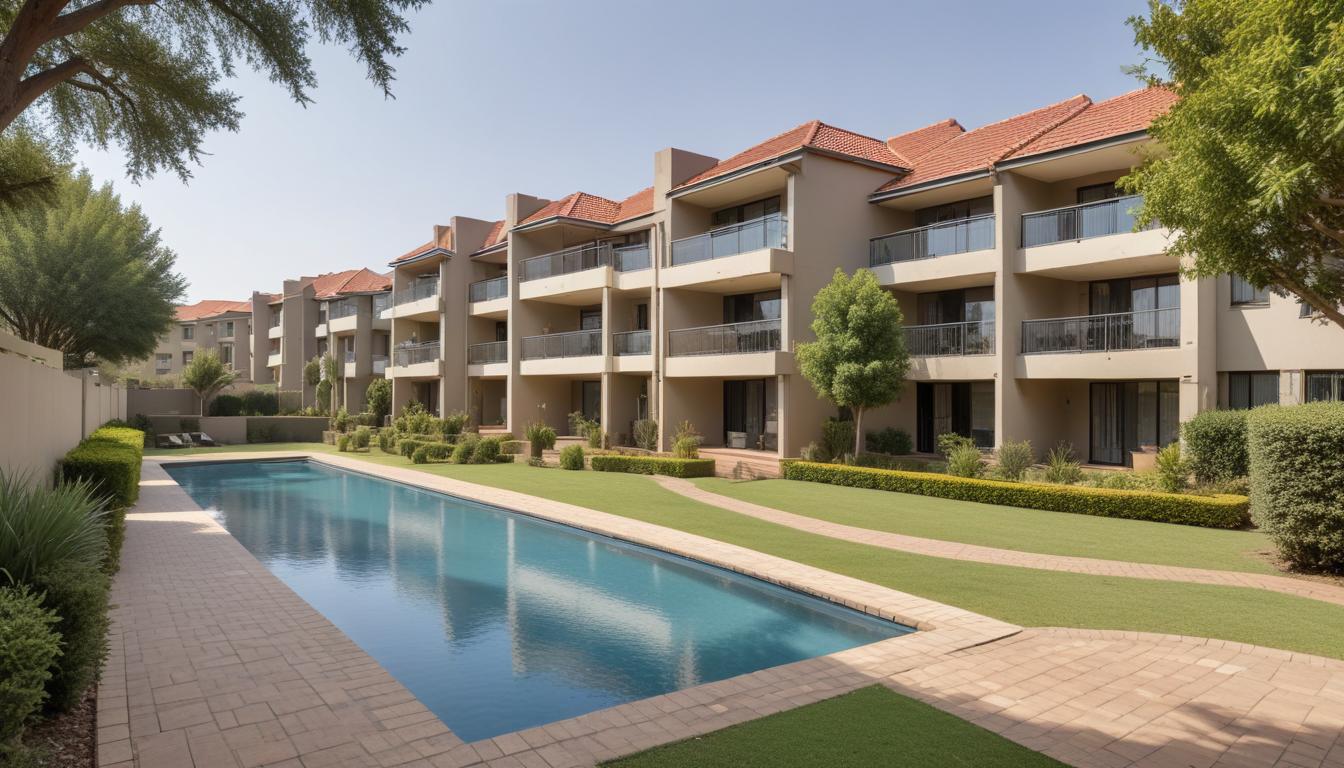
Property values in Parkhurst have climbed steadily, with entry-level townhouses now trading between ZAR 2.2–2.8 million, compared to Sandton's ZAR 4–6 million baseline. This price-to-value proposition is drawing first-time investors and young professionals seeking meaningful returns without the ultra-premium tag. Sectional title developments, particularly along Jan Smuts Avenue and around the Parkhurst Shopping Centre precinct, have become especially popular with rental-focused buyers.
The suburb's renaissance is tangible. Investment in retail and hospitality has accelerated markedly. The revival of spaces along Parkhurst Road and surrounding streets has attracted independent coffee roasters, design studios, and boutique restaurants that cater to the neighbourhood's growing demographic of creative professionals and entrepreneurs. This organic commercial growth differs sharply from top-down developer-driven models seen elsewhere, creating authentic community appeal that translates to tenant demand.
Schools remain a cornerstone of Parkhurst's attractiveness. Established institutions like St Andrew's School and Redhill School continue drawing families, while the suburb's proximity to both Rosebank's corporate hub and the Sandton business district makes it ideal for dual-income households balancing work and lifestyle.
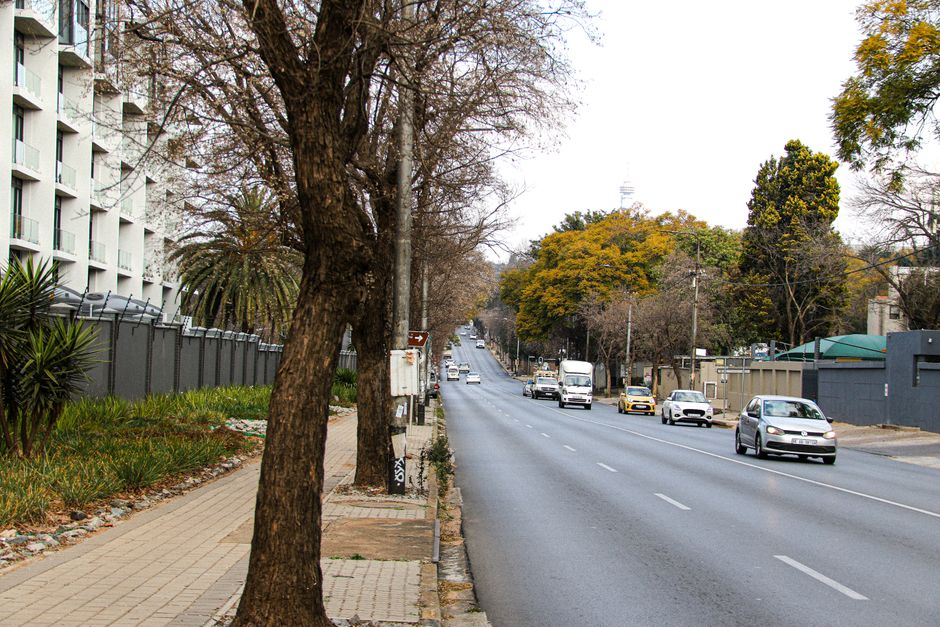
Infrastructure investment is accelerating too. Road upgrades along key corridors, improved pedestrian pathways, and increased security measures have enhanced both safety perception and accessibility. The Johannesburg City Parks initiative's ongoing work in nearby green spaces, including improvements to local parks, adds recreational value that appeals to young families and renters alike.
Market analysts point to Parkhurst's sweet spot: it remains affordable enough for yield-focused investors while appreciating steadily. Rental demand remains robust, with two-bedroom apartments and townhouses achieving monthly rents between ZAR 12,000–18,000—attractive returns in the current economic climate.
Compared to Melville's arts-focused gentrification or Midrand's corporate expansion, Parkhurst is carving its own path: a mixed-use suburb that balances residential tranquility with emerging urban energy. For investors tired of chasing oversaturated markets or waiting for value uplift in established premium zones, Parkhurst represents genuine opportunity. The fundamentals are compelling, the trajectory is clear, and critically, there's still room for meaningful capital appreciation before the suburb becomes mainstream knowledge.
This article was compiled by AI from the sources linked above and screened before publishing. See our editorial standards.