Yield Hunt in Joburg: What's Really Driving Investment Property Prices—and What Savvy Buyers Must Know Now
As rental demand outpaces supply across key corridors, investors are reassessing where their money actually works.
As rental demand outpaces supply across key corridors, investors are reassessing where their money actually works.
The investment property market in Johannesburg is caught between competing forces: rising construction costs, stubborn interest rates, and—paradoxically—persistent rental appetite that keeps prices elevated in pockets where yields still make mathematical sense.
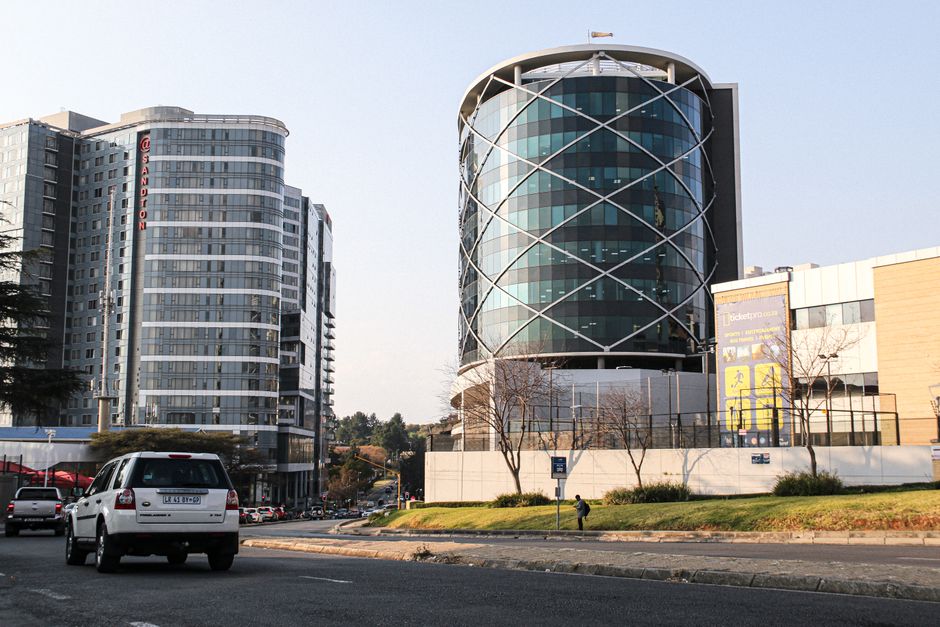
Across the city's core investment zones, the picture is mixed. Sandton remains the premium preserve, with sectional titles in established complexes along Katherine Street and around Sandton City fetching ZAR 2.8M to ZAR 4.2M, but net yields typically hover between 4–5%. That's rental income divided by purchase price, after rates, levies, and maintenance. For many investors, it's the gateway-to-wealth narrative that sells, not the quarterly returns.
The real yield action has shifted eastward. Fourways and Midrand have absorbed overflow from Sandton-fatigued buyers. A well-positioned two-bedroom sectional title in Fourways (near The Zone or Montecasino corridor) now commands ZAR 1.8M to ZAR 2.3M, with gross yields creeping toward 6–7% if rented to corporate relocations or young professionals. That differential is driving prices higher—not because fundamentals have changed overnight, but because yield-conscious investors are rotating capital.
Melville's urban renewal narrative continues to attract younger landlords. The precinct around Main Road and 7th Street has seen sectional title values climb 8–12% year-on-year, supported by Airbnb-friendly short-let demand and the suburb's cultural appeal. Yields sit at 5–6%, modest but buoyed by consistent foot traffic and low vacancy.
What's changed this mid-year: buyer discipline. A year ago, FOMO drove portfolio expansion. Now, questions about debt servicing costs and municipal service delivery (load-shedding's ghost still haunts landlord economics) have returned. Shrewd investors are stress-testing rental income assumptions against a 10–11% prime rate environment, not the 8% fantasy of 2024.
The clearance rate reality—illustrated by vacant land sales and off-market deals—reveals pricing friction. Properties perceived as generic or poorly positioned take longer to move. But investment stock in high-demand corridors (Sandton nodes, Fourways clusters, Melville pockets) with identifiable rental pools shifts briskly.
For buyers entering now: location specificity matters more than ever. A sectional title near established employment nodes or rental ecosystems commands premium multiples. Leverage property management platforms and municipal data to verify service reliability. And honestly assess whether a 5–6% yield, plus potential capital appreciation, aligns with your cost of capital and risk appetite. Joburg's investment market rewards homework, not hope.
This article was compiled by AI from the sources linked above and screened before publishing. See our editorial standards.
How does this story make you feel?
Spread the word
About this article
Published by The Daily Johannesburg
Daily brief
Free, in your inbox before 7am. Weekdays.
More in Property