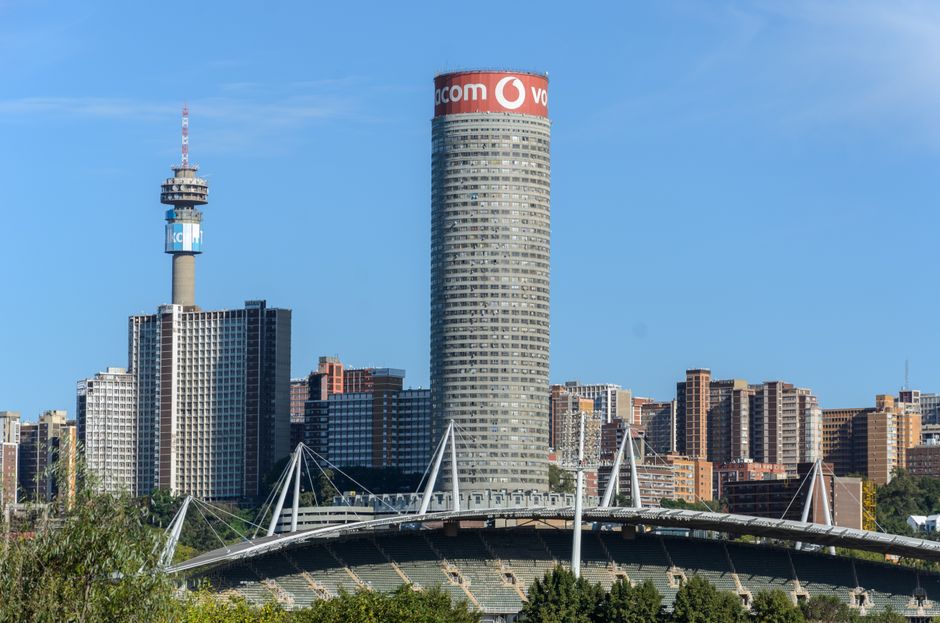
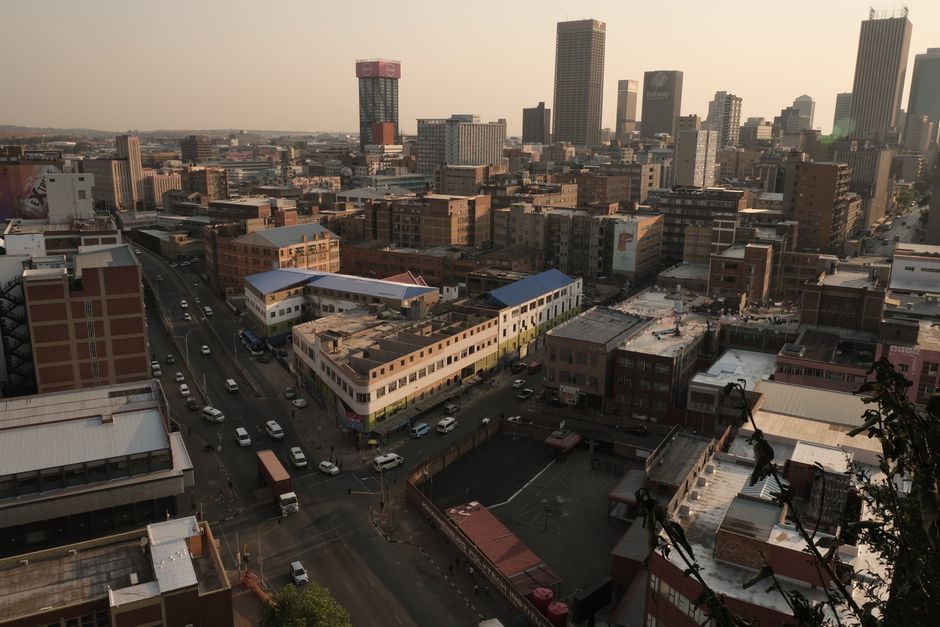
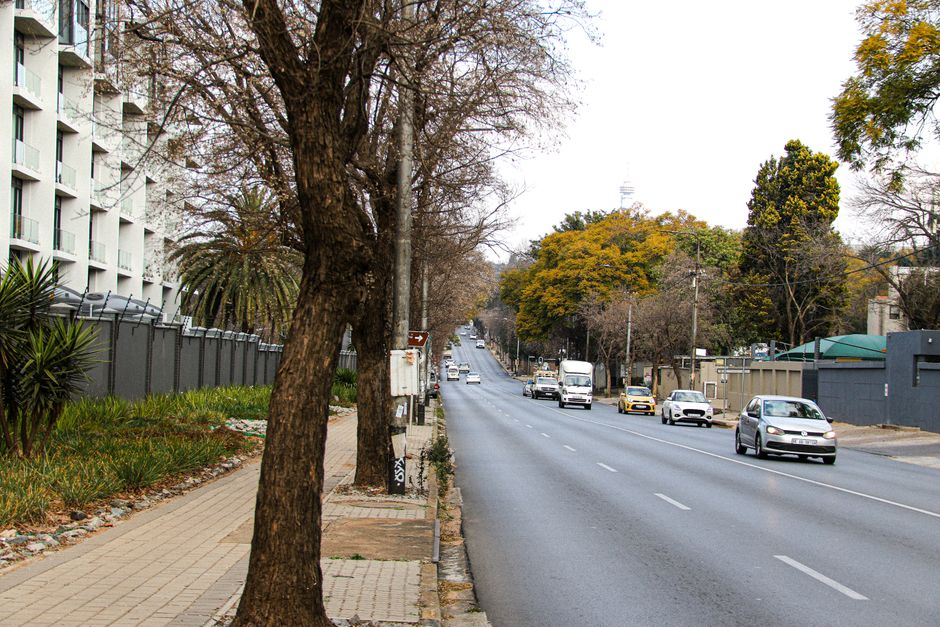
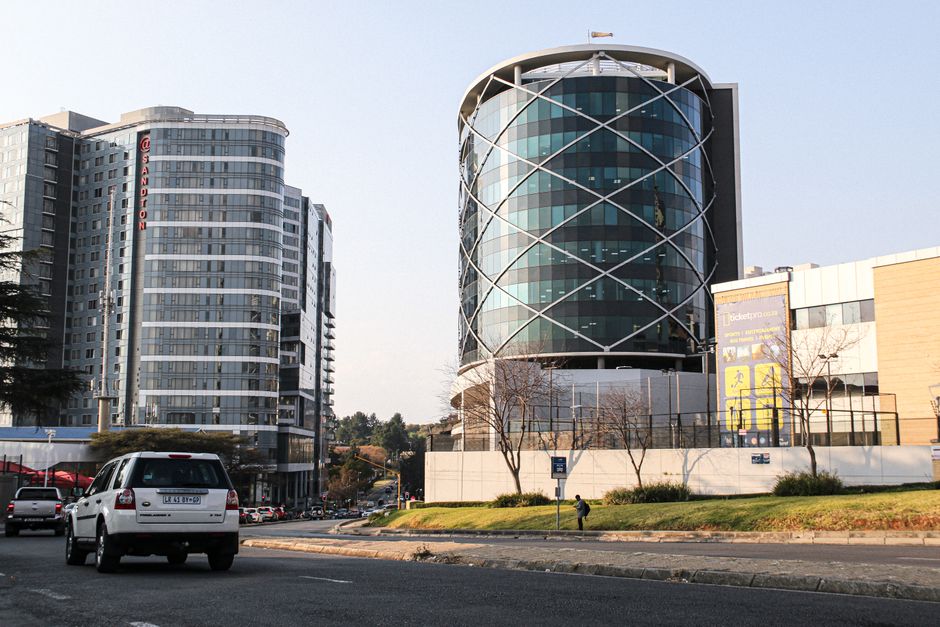
While investors have long fixated on Sandton's gleaming towers and Fourways' sprawling estates, a subtle but powerful shift is reshaping Johannesburg's property landscape. Rosebank, historically a middle-tier commercial hub between the city's northern powerhouses, is emerging as the city's most compelling development opportunity—and the numbers tell a striking story.
The recent fast-tracking of approvals for three major mixed-use developments along the Rosebank Ridge corridor has sparked a wave of activity typically reserved for blue-chip suburbs. Municipal records show that planning applications processed in the first half of 2026 exceeded the previous year's total by 340%, with sectional title residential units commanding particular attention from both local and diaspora investors. Property consultants report average asking prices in the precinct have climbed from ZAR 18,000 per square metre in 2024 to just under ZAR 24,500 today—a trajectory that mirrors Sandton's growth five years ago, but at significantly lower entry points.
The catalyst? Infrastructure. The City of Johannesburg's approval of the Rosebank Transport Integration Project, linking the area directly to the Gautrain corridor and the new business park development near the Empire Centre, has fundamentally altered investor calculus. Unlike the saturated northern suburbs, where premium positioning already commands multimillion-rand premiums, Rosebank offers accessibility combined with genuine scarcity.
Developers are responding aggressively. Three sectional title schemes broke ground this quarter alone, targeting the growing cohort of first-time investors and working professionals seeking alternatives to Melville's inflated rental markets and Sandton's prohibitive purchase prices. The average unit in Rosebank's new builds now sits at ZAR 2.1 million—still commanding the respect of serious money but accessible to the middle-income professionals who've been priced out of the traditional strongholds.
Commercial zoning amendments have opened additional retail and hospitality frontage along Oxford Road and Tyrwhitt Avenue, attracting anchor tenants previously confined to The Zone and Rosebank Mall. This diversification is key: unlike single-use residential suburbs, Rosebank's emerging profile blends workplace, retail, and living—the exact formula that made Melville valuable before gentrification.
Property agents report sell-through rates for off-plan units at 67%, compared to the Joburg average of 43%. Rental yields on completed sectional title units are hitting 7.2%, positioning Rosebank as genuinely competitive for yield-conscious investors.
The window for entry-level investment in an emerging hotspot is, historically, finite. For investors watching Sandton's stratospheric pricing and Fourways' congestion challenges, Rosebank's combination of infrastructure certainty, development momentum, and genuine affordability reads less like speculation and more like mathematics.
This article was compiled by AI from the sources linked above and screened before publishing. See our editorial standards.