The Johannesburg property market is speaking in numbers, and they don't sound optimistic for affordable housing seekers. Recent auction results and price movements across the city's residential corridors are revealing a widening gap between what ordinary families can afford and what developers are actually building.
Take the recent high-profile sale of undeveloped land near the Fourways-Midrand corridor for nearly $2 million—a striking figure given that the Joburg average property price hovers around ZAR 1.5 million. The buyer wasn't a social housing provider; it was a commercial developer eyeing long-term appreciation. Meanwhile, sectional title clearance rates have sagged to new lows, a telling indicator that the apartment market—traditionally seen as an entry point for first-time buyers—is losing momentum.
What's happening is structural. As land values climb and construction costs remain stubborn, the maths simply doesn't work for housing that targets households earning under ZAR 100,000 monthly. Developments in up-and-coming areas like Melville, once seen as affordable urban renewal zones, are increasingly priced for investors and mid-to-upper-income earners. A one-bedroom sectional title that sold for ZAR 800,000 two years ago now lists at ZAR 1.3 million.
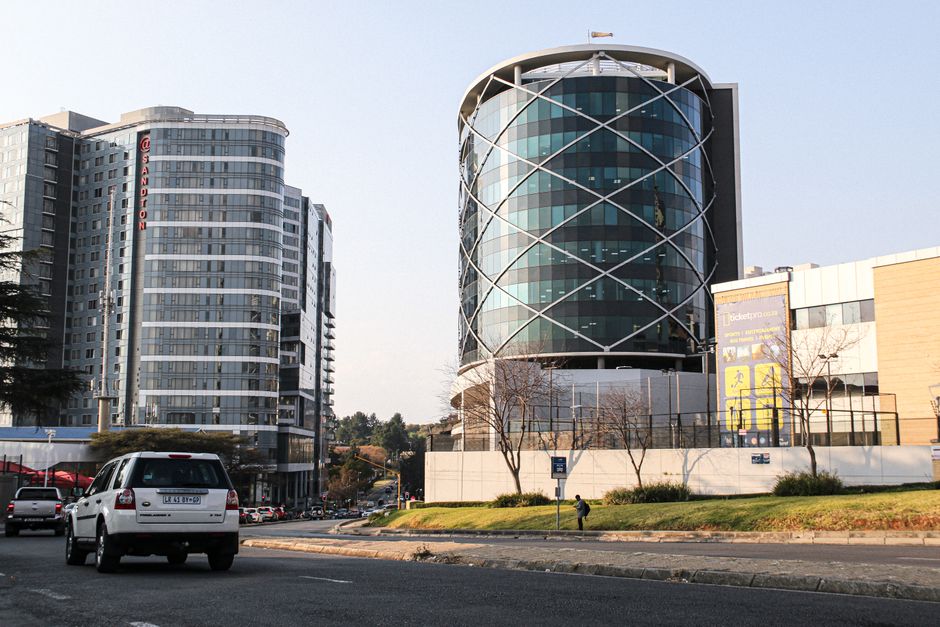
The data also hints at where capital is flowing. Sandton remains premium territory, with prices reflecting scarcity and established infrastructure. But the real movement—and the real problem—is in secondary markets. Developments in Alexandra, Soweto's northern edge, and outer Midrand areas show sporadic activity, suggesting that social housing providers and government-backed initiatives are struggling to compete with speculative investors for developable sites.
Government's social housing programme, while well-intentioned, operates in a market where the economics favour projects targeting middle-income rather than low-income households. Recent policy announcements emphasise inclusive housing, but until auction results and clearance data reflect shifting incentives for developers, the gap will widen.
The signal from Johannesburg's market is clear: affordability requires intervention. Land auctions are telling us that unregulated market forces alone won't deliver housing for the majority. The question now is whether policy makers will act on what the numbers are saying before the window for inclusive urban development closes entirely.
This article was compiled by AI from the sources linked above and screened before publishing. See our editorial standards.