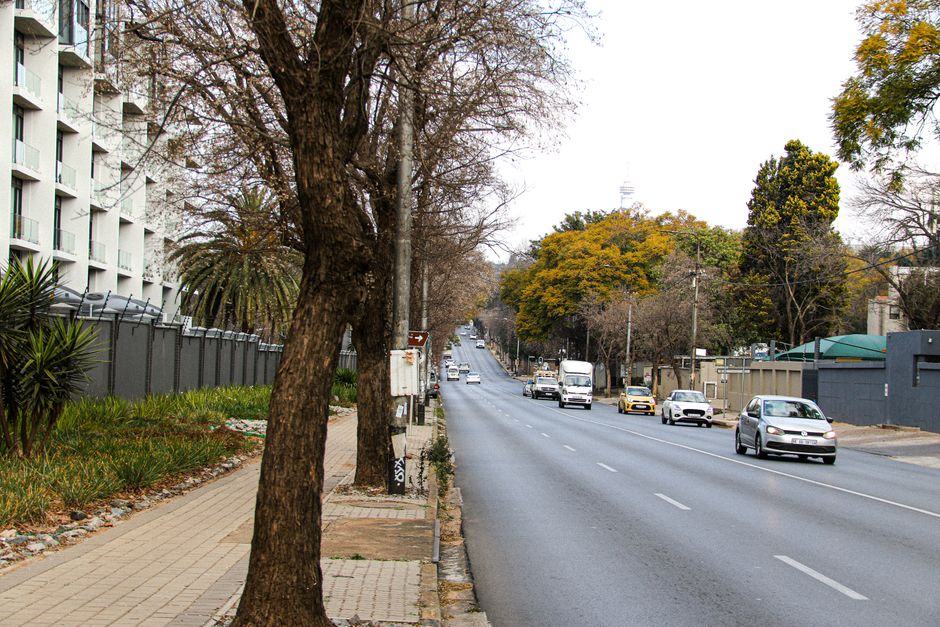
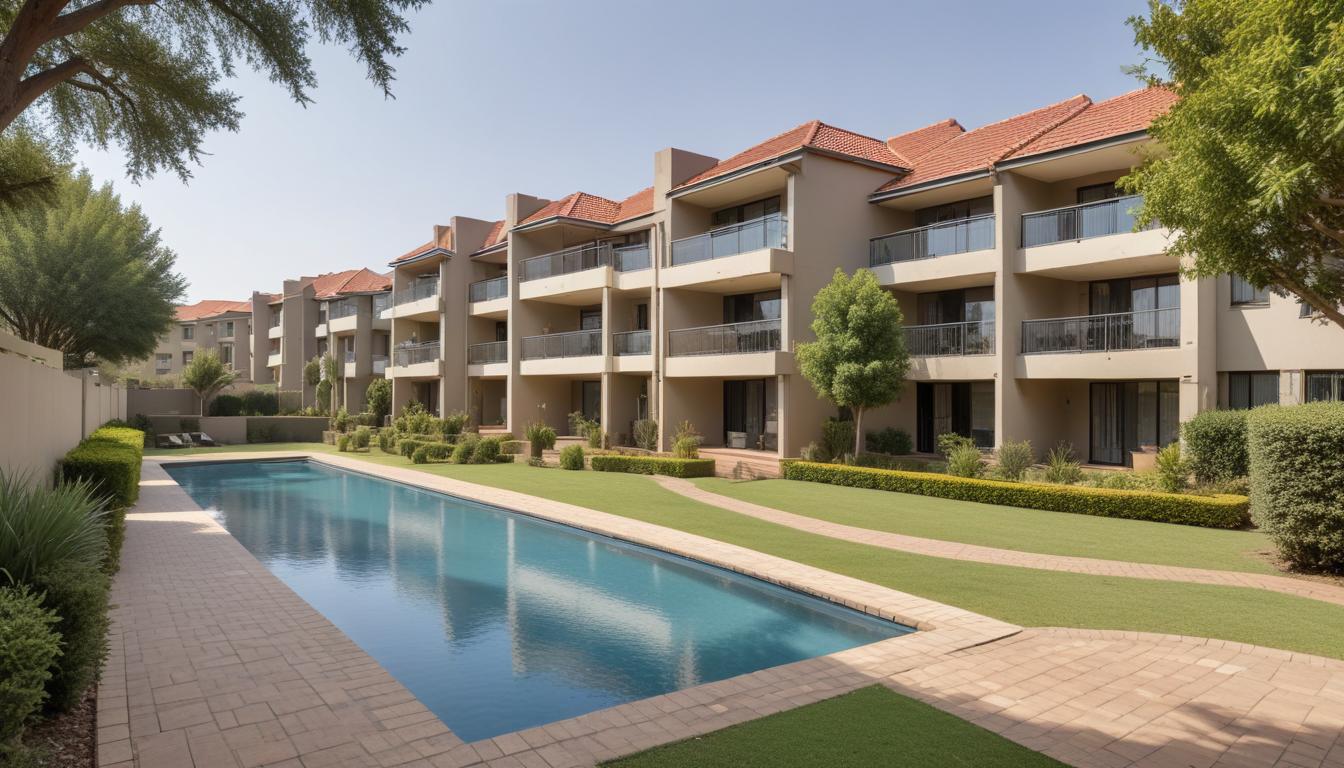
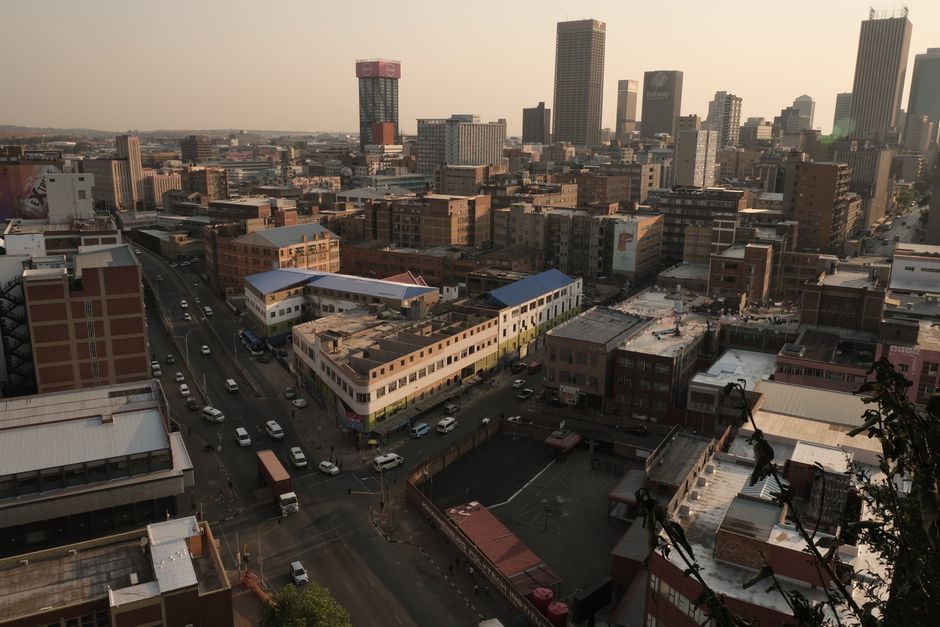
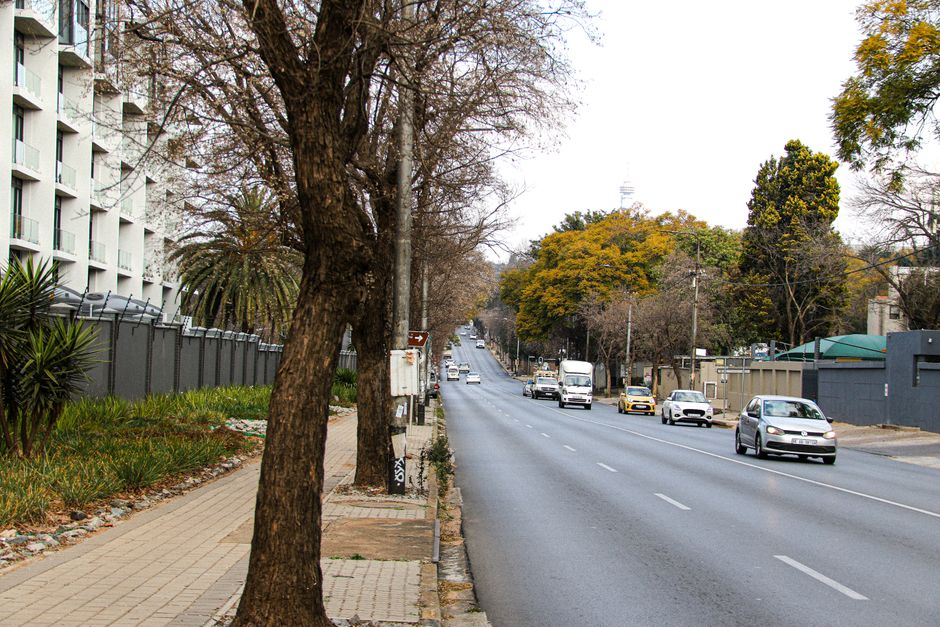
Johannesburg's property market is experiencing a construction boom that hasn't been seen in over a decade. From the sprawling residential complexes sprouting along the Fourways-Midrand corridor to the heritage-conscious infill developments transforming Melville's residential character, new projects are reshaping neighbourhoods faster than many residents can adjust.
The numbers tell an interesting story. While the Johannesburg average sits around ZAR 1.5 million, new-build sectional titles in emerging hotspots like Fourways are commanding premiums of 15 to 25 percent above surrounding resale stock. A three-bedroom apartment in recently completed developments near The Galleria shopping centre is fetching upwards of ZAR 2.2 million—a significant jump from just five years ago.
The drivers are clear. Developers cite improved infrastructure, renewed investor confidence, and pent-up demand from young professionals seeking modern, secure living spaces. The OR Tambo proximity, coupled with improved road networks toward the Cradle and beyond, has made the northern suburbs increasingly attractive. Meanwhile, Melville's revival—anchored by the Johannesburg Development Agency's backing and independent businesses clustering around 7th Street—is drawing a different demographic: creative professionals willing to pay for character and walkability.
But affordability concerns are mounting. Entry-level buyers, particularly first-time purchasers, are being priced out of traditionally accessible neighbourhoods. The gap between new-build and resale properties has widened considerably. A ZAR 1.2 million budget once secured a respectable three-bedroom home in Midrand; today, that same budget yields a one-bedroom sectional title or forces buyers further afield to less-established areas.
Urban planners and property analysts are watching these developments closely. The proliferation of mixed-use projects—combining residential, retail, and office space—is intended to create self-sufficient communities. Yet critics argue that without corresponding affordable-housing quotas or inclusive pricing strategies, new developments risk further stratifying an already divided city.
Real Estate Institute of South Africa representatives have noted that market-driven development naturally trends upmarket; countering affordability pressures requires deliberate policy intervention. Joburg's municipal planning department hasn't formally mandated inclusionary zoning requirements on the scale seen in comparable global cities.
The next 18 months will be telling. With projects like those along the Witkoppen Road corridor and ongoing Melville infill construction nearing completion, the question isn't whether Johannesburg's property landscape is changing—it clearly is. Rather, it's whether that change benefits the broader population or remains confined to those already holding significant capital.
This article was compiled by AI from the sources linked above and screened before publishing. See our editorial standards.