The luxury rental market in Johannesburg has entered choppy waters. While the broader property sector grapples with economic headwinds, those operating in the prestige segment—traditionally seen as recession-resistant—are discovering that affluent tenants have become far more selective, and landlords far more vulnerable to extended vacancies.
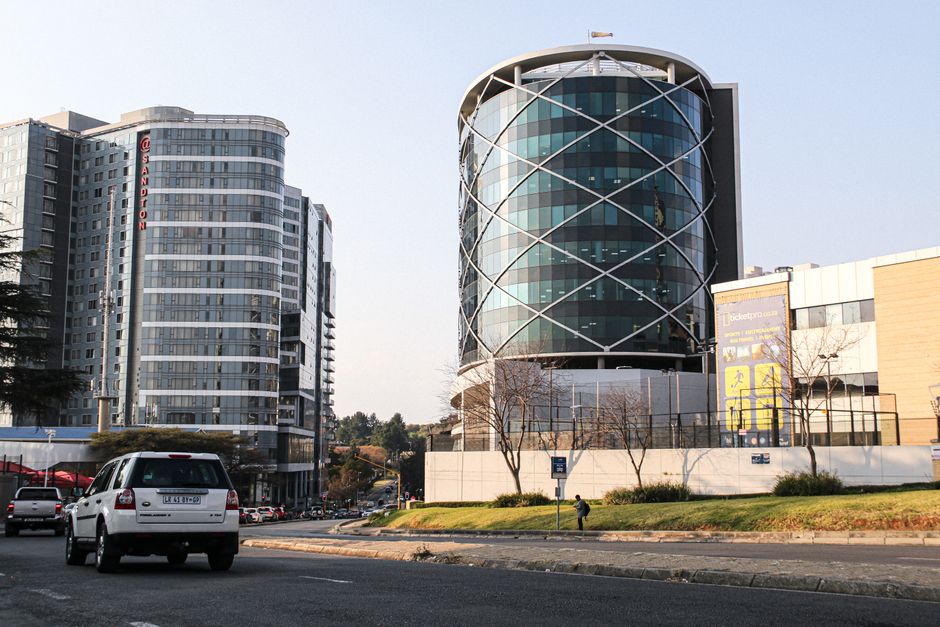
Sandton remains the epicentre of this tension. Properties commanding ZAR 80,000 to ZAR 150,000 monthly across the area's prime streets—think Grayston Drive and the corridors around the Sandton City precinct—are languishing on the market longer than they have in years. Estate agents report that a three-bedroom sectional title penthouse that would have secured a tenant within days in 2023 now takes six to eight weeks to fill. For landlords banking on consistent rental yield, this represents a material erosion of investment returns.
The culprit is multifaceted. Rising interest rates have pushed some corporate relocations—once a reliable tenant pipeline—onto hold. Simultaneously, the pool of high-net-worth individuals seeking short-term luxury rentals has fragmentised. International arrivals, traditionally concentrated in Sandton's five-star hotel-adjacent stock, are increasingly booking boutique serviced apartments instead. Local executives, meanwhile, are negotiating harder on rental terms, emboldened by choice.
Fourways and Midrand tell a different story. These growth corridors, with their expanding corporate parks and proximity to the OR Tambo axis, continue attracting relocating families. Yet even here, landlords report tenant expectations have shifted materially. Quality finishes, reliable security infrastructure, and responsive management are no longer premium features—they are table stakes. Properties lacking these risk remaining vacant.
The sectional title sector, deeply embedded in Johannesburg's investment landscape, reveals the stakes plainly. Body corporates in established Melville complexes and newer developments in Sandton's fringe areas report mixed performance. Well-maintained buildings with proactive management continue to draw tenants; those perceived as stalling face prolonged vacancies.
The rental market's contraction is forcing a recalibration. Landlords are investing in upgrades—smart home systems, hybrid work spaces, curated furnishing—to differentiate stock. Some are reducing expectations, accepting lower yields to ensure consistent occupancy. A handful are converting rental units back to owner-occupation, effectively shrinking supply.
For tenants, the softening offers temporary leverage on pricing and lease terms. Yet the window may be narrow. Should economic sentiment shift, landlords holding quality stock in prime locations will reclaim negotiating power swiftly.
The luxury rental market's message is clear: in Joburg's prestige segment, mediocrity now carries material cost.
This article was compiled by AI from the sources linked above and screened before publishing. See our editorial standards.