What Price Data and Auction Results Are Signalling About Joburg's Next Investment Hotspots
Recent sales velocity and clearing rates reveal which neighbourhoods are attracting serious capital—and where savvy investors should be watching.
Recent sales velocity and clearing rates reveal which neighbourhoods are attracting serious capital—and where savvy investors should be watching.

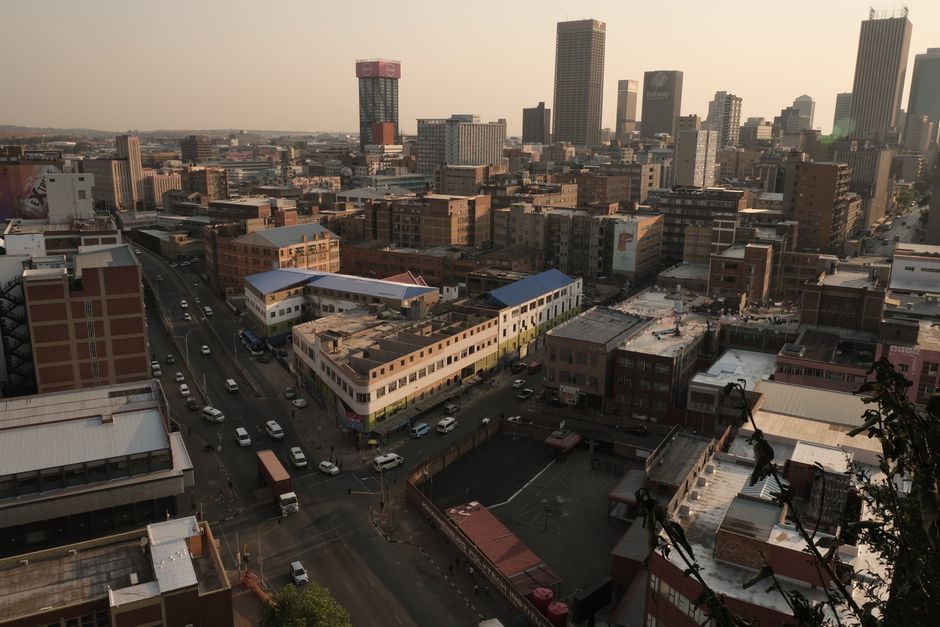
Johannesburg's property market is sending clearer signals than it has in years. While headline-grabbing vacant land sales and celebrity portfolios dominate gossip columns, the real story lies in what auction results and price momentum are whispering about where serious money is flowing.
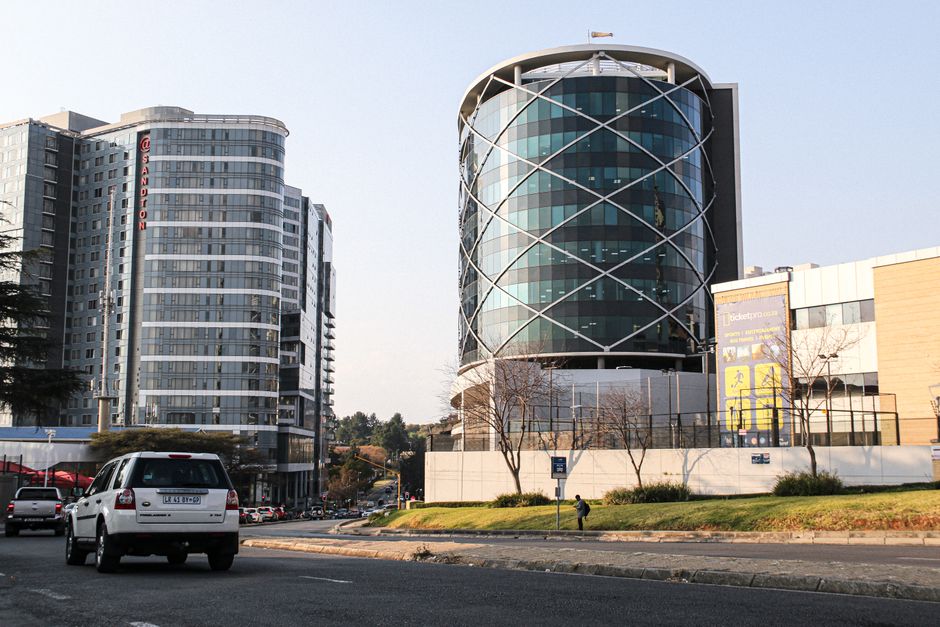
The data paints a striking picture. Sandton remains the premium anchor—properties consistently moving between ZAR 3–6 million on the back of sustained demand from corporate relocations and high-net-worth consolidation. Yet the margin of growth has plateaued. Instead, auction houses report accelerating activity in Fourways and Midrand, where entry points hover around ZAR 1.8–2.4 million. Last quarter's clearing rates in these nodes exceeded 68 percent, a marked jump from the 52 percent average across greater Joburg. That velocity matters: it signals confidence.
Melville tells a different story. Once dismissed as ageing suburbia, the neighbourhood's urban renewal corridors—particularly along Main Road and around the Melville Library precinct—have seen sectional title units command premiums of 12–15 percent year-on-year. Auction results show three-bedroom apartments in well-maintained complexes achieving ZAR 1.2–1.5 million, with investor appetite driving multiple offers. The appeal is straightforward: lower maintenance burden, proximity to Melville's restaurant and entertainment ecosystem, and Johannesburg's growing preference for manageable urban living.
Critically, price data reveals where caution is warranted. Broader Joburg's ZAR 1.5 million median masks stubborn underselling in outlying areas. Properties languishing on the market—those taking 90+ days to clear auction—cluster in suburbs without clear neighbourhood identity or infrastructure anchors. The lesson is spatial: location specificity now trumps general suburb labels.
What should savvy investors absorb? First, velocity beats volume. A neighbourhood where 70 percent of properties sell within 45 days signals health, even if asking prices are modest. Second, sectional title in established urban corridors is outpacing freehold in sprawling areas—institutional and individual investors both recognise the convenience premium. Third, auction clearing data from the major houses—Pam Golding, Seeff, and Jawitz are among the most transparent—should inform strategy far more than anecdotal cheerleading.
The next 12 months will likely see capital concentrate further in micro-locations within Fourways, Melville's densifying precincts, and pockets of Bryanston where sectional title developments are multiplying. The suburbs shouting loudest in headlines rarely outperform those quietly showing consistent price appreciation and strong clearing rates. For Joburg property investors, the data—not the hype—should determine the next move.
This article was compiled by AI from the sources linked above and screened before publishing. See our editorial standards.
How does this story make you feel?
Spread the word
About this article
Published by The Daily Johannesburg
Daily brief
Free, in your inbox before 7am. Weekdays.
More in Property