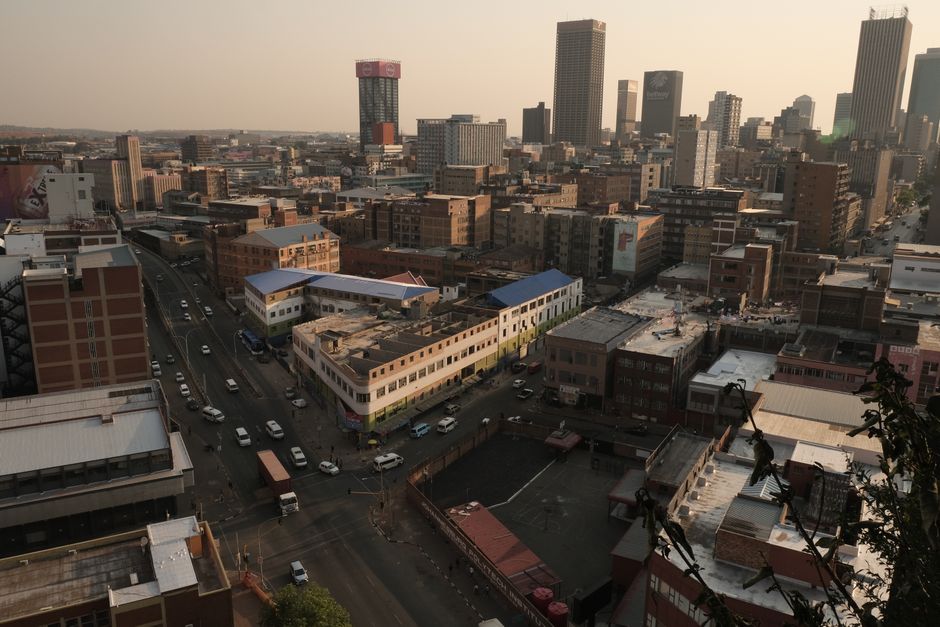
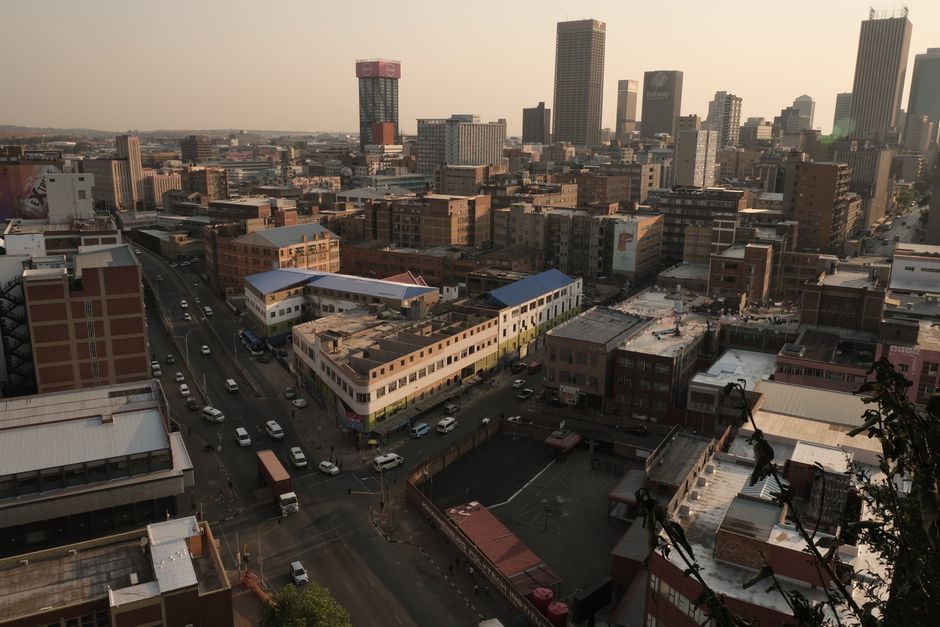
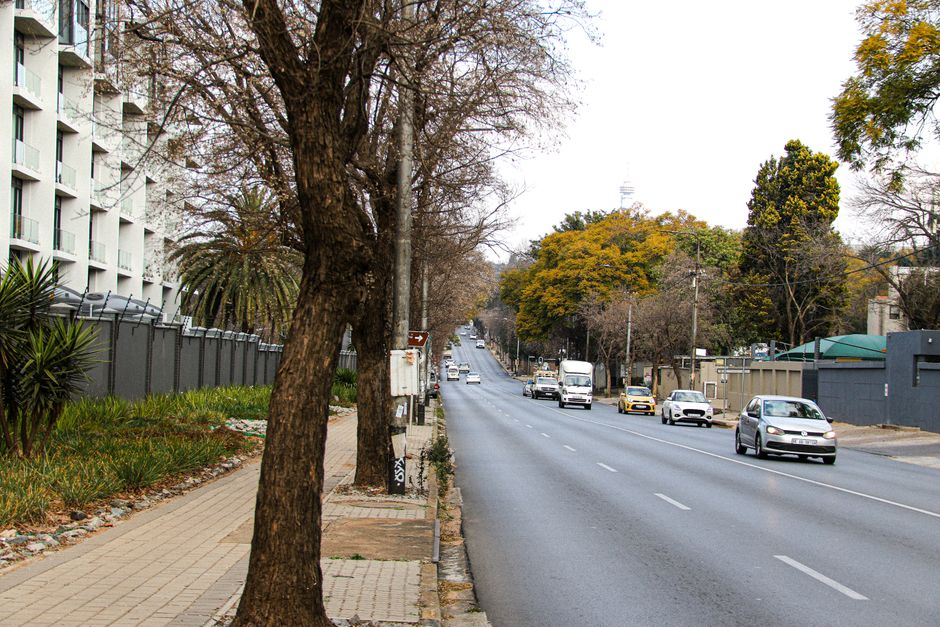
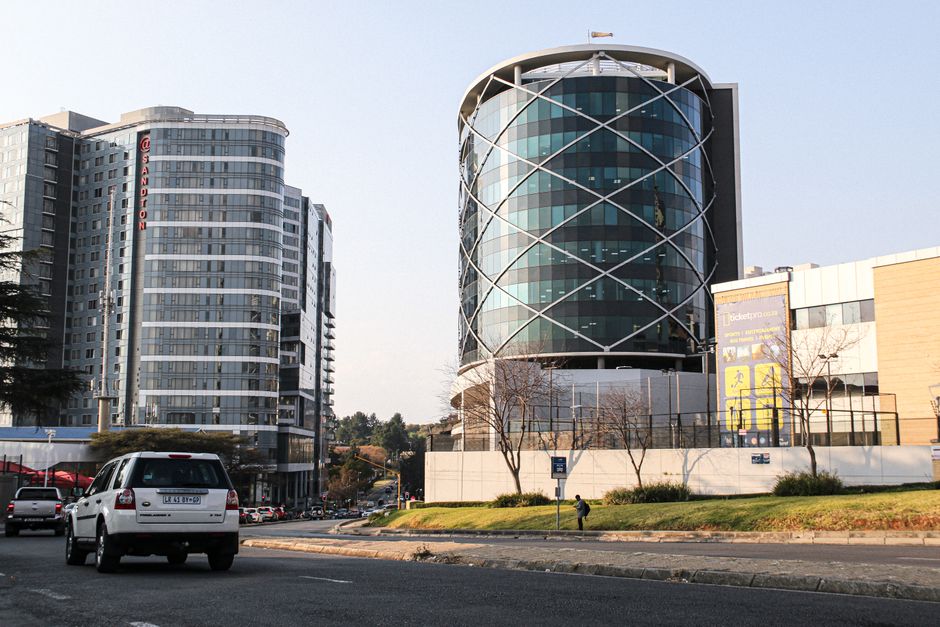
Johannesburg's property market is experiencing an invisible but powerful force: policy. Over the past eighteen months, a series of planning decisions by the City of Johannesburg have quietly begun reshaping where money flows and which neighbourhoods become accessible to different income brackets.
The most significant shift involves the City's revised zoning framework, which now permits mixed-use developments in previously residential-only zones. This has triggered measurable activity in Melville and parts of Norwood, where property values have climbed 8-12 percent as developers eye corner sites for live-work configurations. Previously, a standalone residential property on 4th Avenue in Melville might fetch ZAR 2.8M. Today, identical plots with development potential are trading at ZAR 3.4M—a direct consequence of planning permission, not market sentiment alone.
The impact on affordability is paradoxical. While policy relaxation attracts investment capital, it simultaneously prices out first-time buyers from gentrifying zones. However, planners argue this capital inevitably flows into secondary markets. Evidence from Fourways and Midrand supports this: sectional title apartments, now permitted in zones previously restricted to cluster homes, have expanded choice for buyers priced out of Sandton's stratospheric ZAR 8M+ average.
A critical policy decision in early 2026 also lowered Section 21(4) transfer fees for sectional title units under ZAR 1.2M—effectively subsidising entry-level property transactions. This has energised the ZAR 1.1M-1.3M band that institutional investors and young professionals target, creating deeper liquidity in this bracket across Johannesburg's inner-ring neighbourhoods.
Not all changes benefit affordability equally. The City's stricter heritage conservation protocols around the Johannesburg Stock Exchange precinct and Braamfontein have reduced developable land supply, keeping prices elevated in these cultural-historical zones. Conversely, deregulation around the Bree Street taxi rank area has unleashed speculative activity, though affordability there remains constrained by infrastructure challenges.
Real estate agents and property economists tracking City Planning meetings report that the next frontier is the Cradle of Humankind corridor—potential zoning amendments could unlock suburban sprawl or managed densification. Either outcome will fundamentally alter whether Joburg's property market becomes more or less accessible to middle-income buyers.
The lesson is clear: in Johannesburg, headline interest rates and global capital flows matter less than the minutes from the City's planning committees. Savvy investors monitor zoning applications at 111 Loveday Street as closely as mortgage rates.
This article was compiled by AI from the sources linked above and screened before publishing. See our editorial standards.