Johannesburg's rental market is experiencing a significant recalibration as new municipal planning policies take effect, with vacancy rates climbing to levels not seen in three years. The City's recent decision to fast-track sectional title conversions and relax mixed-use zoning restrictions along corridors like Bree Street and the Melville precinct is fragmenting demand in ways that will reshape how tenants and investors navigate the city's residential landscape.
The shift stems from the Joburg Development Agency's revised Spatial Development Framework, which prioritises urban densification and conversion of aging commercial stock into residential units. In Melville, where property values hover around ZAR 2.2M for entry-level sectional titles, new planning approvals have unlocked approximately 340 additional rental units over the past eighteen months. Yet this supply surge has created unexpected consequences: vacancy rates in traditionally sought-after precincts have risen from 6% to nearly 11%, according to recent market assessments by local property agencies.
For tenants, this represents a rare negotiating advantage. In Fourways and Midrand—historically Johannesburg's growth engines—landlords are increasingly offering rental concessions, flexible lease terms, and reduced deposits to secure occupants. A two-bedroom sectional title in Fourways that commanded ZAR 18,500 monthly in early 2025 now attracts interest at ZAR 17,200, reflecting the impact of policy-driven oversupply in mixed-income developments.
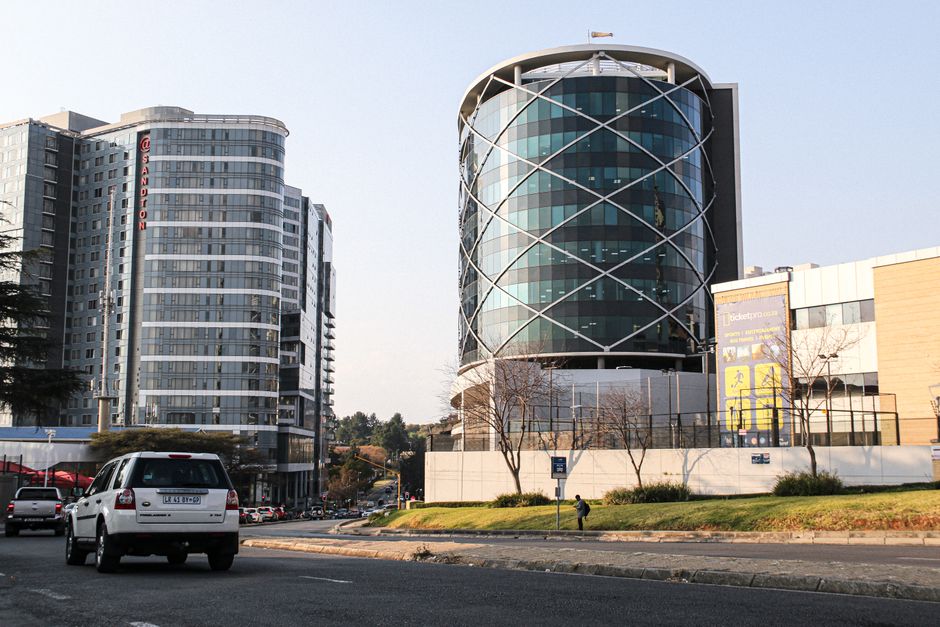
However, the policy pendulum cuts differently across neighbourhoods. Sandton's ultra-premium rental segment remains insulated; security, exclusivity, and proximity to corporate headquarters in the Sandton CBD sustain demand. Conversely, areas undergoing municipal infrastructure upgrades—particularly around the Jan Smuts Avenue corridor—are experiencing temporary disruption as development applications and zoning transitions create uncertainty.
Industry experts warn tenants to scrutinise lease terms carefully during this transition period. The Johannesburg Property Owners' and Managers' Association has flagged that some landlords are restructuring agreements to lock in longer terms before further policy liberalisation potentially erodes rental yields further. Savvy tenants should negotiate renewal clauses and seek clarity on planned neighbourhood developments before committing.
The municipal decision to expedite mixed-use approvals in Braamfontein and the inner city also signals a longer-term shift toward urban living, which could eventually stabilise vacancy rates. But for now, the rental market's supply-demand equation remains in flux, shaped more by planning department decisions than by organic market forces—a dynamic that will persist until the new zoning framework fully settles.
This article was compiled by AI from the sources linked above and screened before publishing. See our editorial standards.