Rental squeeze: how Joburg's shifting market is reshaping the landlord-tenant dynamic
Rising vacancy rates and tenant demand for flexible terms are forcing property owners to rethink strategy across Johannesburg's most sought-after suburbs.
Rising vacancy rates and tenant demand for flexible terms are forcing property owners to rethink strategy across Johannesburg's most sought-after suburbs.
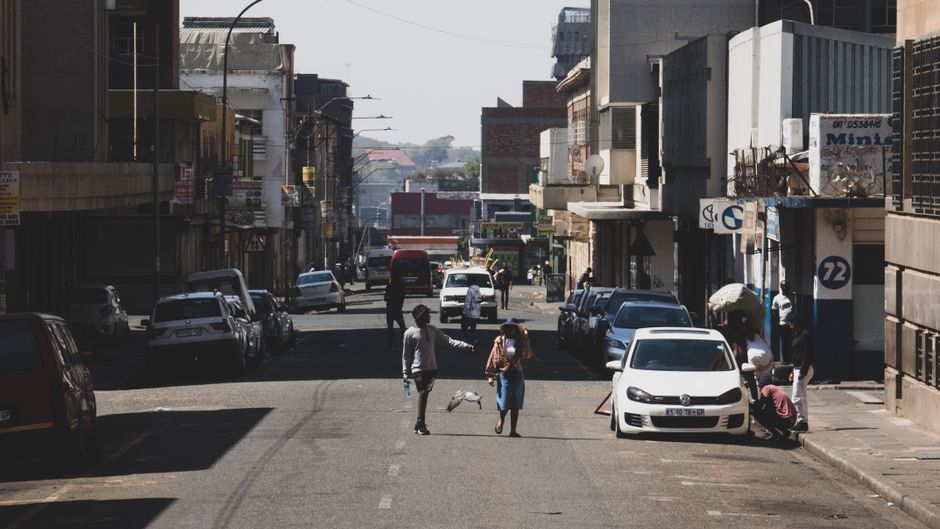
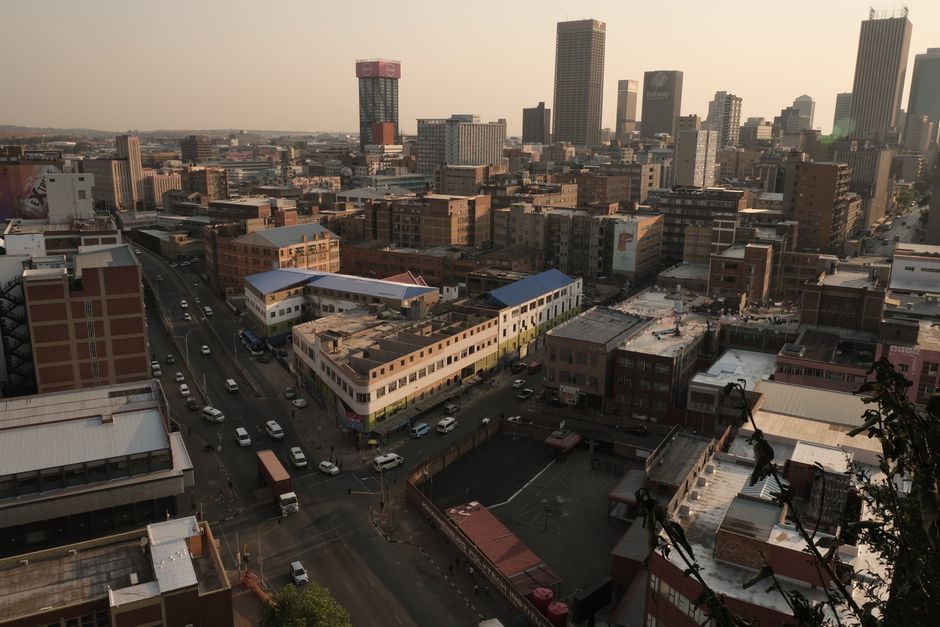
The rental landscape across Johannesburg is undergoing a quiet but significant shift. While landlords have traditionally held the upper hand in a city where property ownership remains aspirational, market conditions in 2026 are creating unexpected pressures on both sides of the lease agreement.
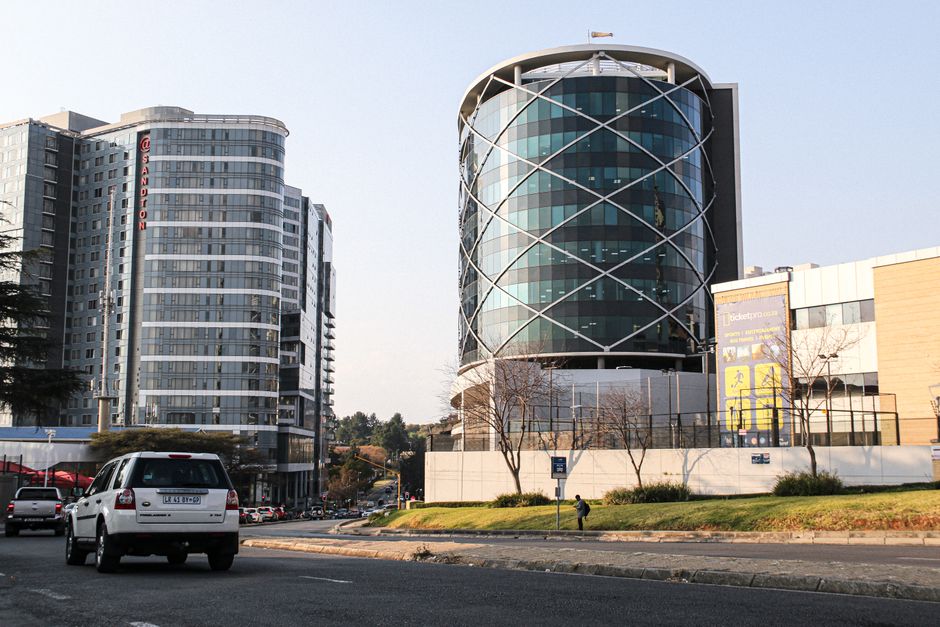
In established nodes like Sandton and Fourways, where sectional title apartments dominate investor portfolios, vacancy rates have climbed to levels not seen since 2023. Estate agents report that units in the 2–3 bedroom category—the bread and butter of Johannesburg's rental market—are sitting empty for 6–8 weeks longer than historical averages. This has forced landlords to reconsider rental expectations. Properties advertised at ZAR 18,000–22,000 monthly for a two-bedroom apartment in Fourways are now negotiating closer to ZAR 16,000–19,000, particularly in secondary locations away from major arterials like Cedar Road.
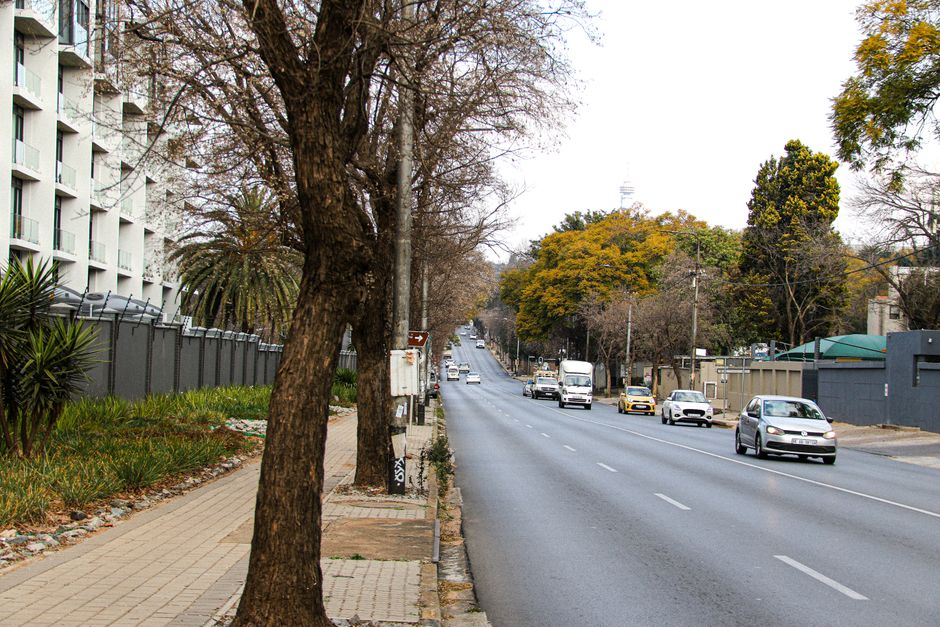
The pressure is equally acute in Melville, where urban renewal projects have attracted younger tenants but also increased competition among landlords. The suburb's character—bohemian cafés along 7th Street, proximity to Wits University, heritage architecture—has made it attractive, yet newer builds entering the market have fragmented tenant demand. Landlords with older stock report that tenants are demanding shorter lease terms (6–12 months instead of 24), rent escalation caps, and improved maintenance responsiveness.
For tenants, the calculus is shifting in their favour, albeit modestly. Rising household costs—electricity load-shedding driving generator expenses, water tariffs climbing, insurance premiums increasing—have eroded affordability. Tenants are exercising choice they didn't have two years ago, requesting furnished options, pet-friendly policies, and fibre connectivity as standard rather than premium features. In areas like Bryanston and Midrand, where corporate renters cluster, lease negotiations increasingly include flexibility clauses addressing extended working-from-home scenarios.
Property management organisations report growing inquiries from landlords seeking to optimise yield through alternative models—Airbnb-style short-term rentals, co-living arrangements, or converting single units into cluster subdivisions. Yet regulatory uncertainty around short-term rental permits in some municipal zones is dampening enthusiasm.
For prospective property investors, the current environment presents a reality check. The average Johannesburg rental yield—typically 6–7 percent—is under pressure in premium suburbs, though secondary growth areas like Midrand still offer 7–8 percent returns. Savvy investors are shifting focus toward developments with corporate backing or sectional title complexes with active homeowners' associations, viewed as lower-risk tenancy propositions.
The message is clear: Johannesburg's rental market is normalising after years of landlord-friendly conditions. Success now requires flexibility, responsiveness, and realistic pricing expectations.
This article was compiled by AI from the sources linked above and screened before publishing. See our editorial standards.
How does this story make you feel?
Spread the word
About this article
Published by The Daily Johannesburg
Daily brief
Free, in your inbox before 7am. Weekdays.
More in Property