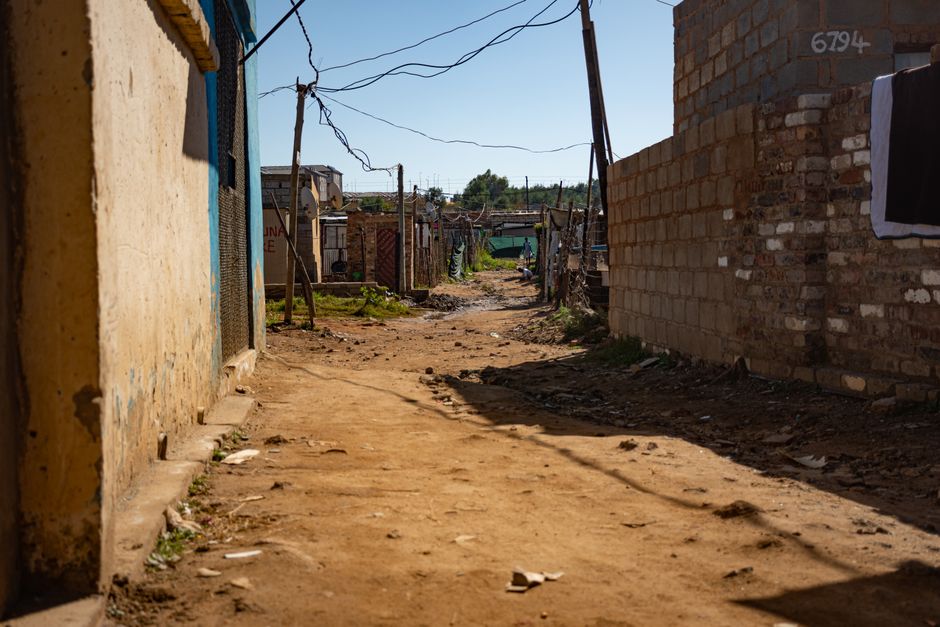
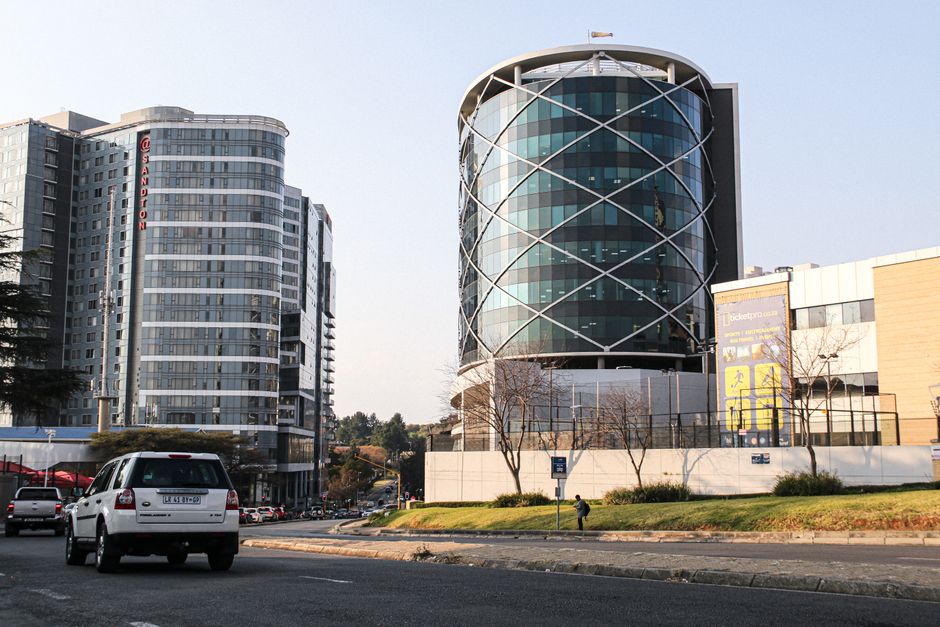
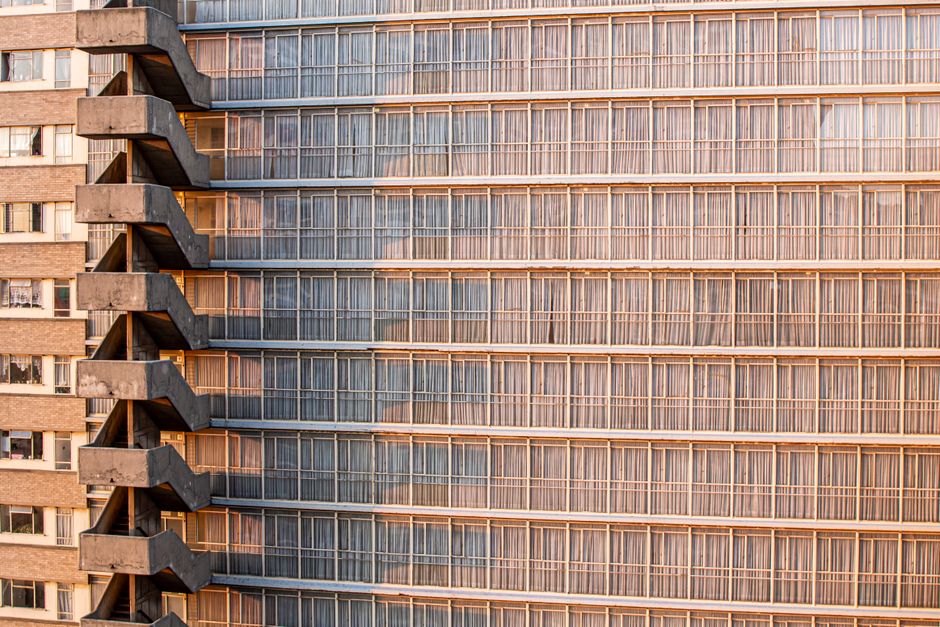
Johannesburg's property market has long been shaped by sharp divides: Sandton's multi-million-rand estates on one side, informal settlements on the other. But a pipeline of affordable housing projects now threading through the city's transport corridors is beginning to rewrite that narrative, offering genuine opportunities for families locked out of the traditional market.
The most visible shift is happening along the Gautrain feeder zones. The City's housing directorate has approved three sectional title developments targeting the ZAR 800,000 to ZAR 1.2 million bracket—substantially below Joburg's current average of ZAR 1.5 million. One 240-unit project in Midrand, near the Thunderbolt precinct, is expected to break ground in Q4 2026, with completion pencilled in for 2028. Another, closer to Marlboro station, will deliver 156 units marketed specifically at first-time buyers and young professionals.
What matters most is location strategy. Rather than peripheral developments that strand residents far from employment hubs, these projects cluster around existing nodes. The Midrand scheme sits within walking distance of the Midrand commercial district, while a parallel initiative near Fourways aims to service the area's growing logistics and light manufacturing corridor. Both neighbourhoods have seen residential rentals climb 12–15% annually, pricing out essential workers who service those same areas.
The third major project—a 320-unit mixed-income development earmarked for the Melville precinct—signals something equally important: urban renewal. Melville has been repositioning itself as a cultural and creative hub over the past five years, yet the rising rental costs (now averaging ZAR 12,000–15,000 monthly for a two-bedroom) have eroded its character. This new development, anchored by a community hub and retail spine along 4th Avenue, aims to preserve that diversity while delivering ownership opportunities.
These projects also trigger secondary effects. Schools, clinics, and local retail tend to follow residential density. Transport operators are already adjusting routes. Property investors watching Fourways and Midrand have noted that affordable housing developments typically stabilise surrounding property values rather than depress them—proximity to diverse, employed communities attracts mixed-income buyers and reduces vacancy risk.
Of course, challenges remain. Construction costs continue climbing, forcing developers to seek subsidy and grant support. The City's delivery timeline has historically slipped. And without complementary improvements to water infrastructure and transport frequency, even well-located projects can stall.
Still, these three developments represent something rare in Joburg's recent property conversation: a conscious, geographically strategic attempt to build opportunity into the city's everyday neighbourhoods, not around their edges.
This article was compiled by AI from the sources linked above and screened before publishing. See our editorial standards.