Joburg's Rental Squeeze: What's Driving Vacancy Rates and What Tenants Need to Know Right Now
As Johannesburg's rental market tightens, understanding the forces behind climbing prices is essential for anyone hunting for a home in 2026.
As Johannesburg's rental market tightens, understanding the forces behind climbing prices is essential for anyone hunting for a home in 2026.
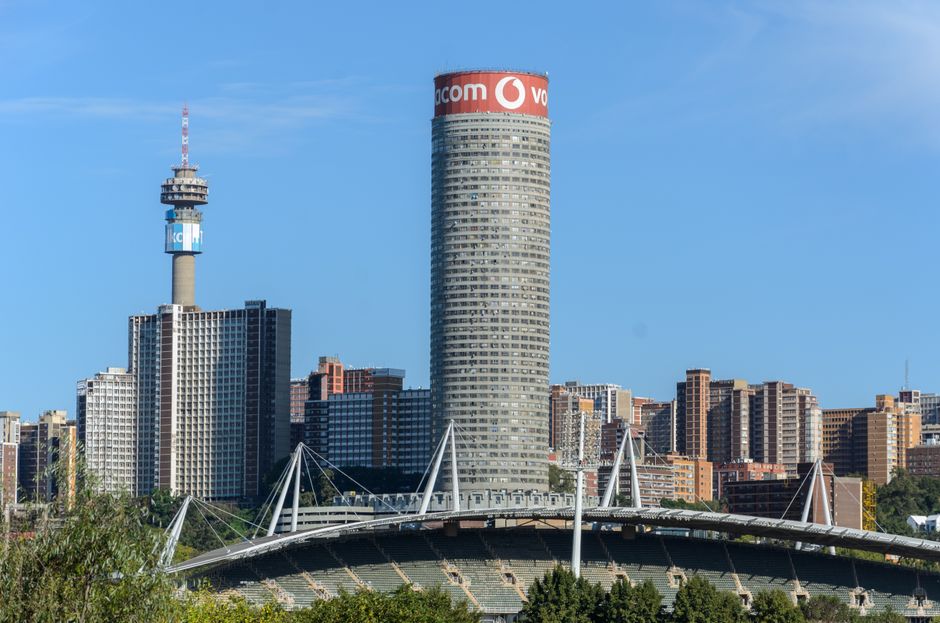
Johannesburg's rental market is sending mixed signals. While vacancy rates have tightened across the city's premium corridors, tenants seeking affordable options face a different reality—one shaped by shifting investor behaviour, infrastructure investment, and the growing appeal of sectional titles.
Data from the city's major letting agencies suggests vacancy rates in Sandton and the Johannesburg CBD hover around 8-12%, the lowest in five years. Meanwhile, pockets of Fourways and Midrand—historically absorbing overflow demand—are experiencing their own supply crunch. This divergence reveals what's really driving prices: location hierarchy and investor repositioning.
The average Johannesburg rental sits around ZAR 1.5 million annually for mid-range properties, but this masks stark geographical variation. Sandton commands a premium; a two-bedroom apartment on Katherine Street now rents for ZAR 18,000–22,000 monthly, up 12% year-on-year. Fourways and Midrand, meanwhile, have seen 8-10% increases as professionals seek alternatives to central-zone congestion and load-shedding concerns.
What's driving these increases? Three factors dominate. First, investor preference has shifted decisively toward sectional titles in established zones. Landlords view these as lower-maintenance and more liquid than traditional residential leases. Second, Melville's urban renewal narrative—spurred by restaurant openings, retail investment, and improved traffic flow—has attracted younger renters willing to pay ZAR 12,000–16,000 for once-overlooked properties. Third, infrastructure volatility continues reshaping demand. Load-shedding has elevated the appeal of buildings with backup power, pushing rents higher in complexes offering generators or solar installations.
For tenants navigating this landscape, timing matters. Mid-year traditionally sees landlords more negotiable; end-of-quarter pushes rents upward. Location arbitrage remains viable—Norwood and Parkhurst offer reasonable supply and slower price growth than their western neighbours. However, the sectional title phenomenon means traditional rental stock is quietly shrinking. Investors converting residential leasehold properties into sectional title schemes has reduced available rentals by an estimated 3-5% annually.
Prospective tenants should expect to negotiate harder on annual increases and scrutinise utility costs—especially electricity inclusions, which now substantially impact affordability. Viewing properties across multiple zones reveals true market positioning; a Sandton premium doesn't necessarily reflect superior amenity value.
The Joburg rental market isn't collapsing, but it's consolidating. Savvy renters will lock in longer leases now, diversify location searches beyond traditional hotspots, and factor hidden costs into affordability calculations. The city's rental story isn't one of crisis—it's one of selective tightening with real winners and losers emerging.
This article was compiled by AI from the sources linked above and screened before publishing. See our editorial standards.
How does this story make you feel?
Spread the word
About this article
Published by The Daily Johannesburg
Daily brief
Free, in your inbox before 7am. Weekdays.
More in Property