What Johannesburg's auction data and price trends are really signalling about the market
Recent sales activity across Sandton, Fourways and emerging zones reveal a market splitting into two distinct speeds.
Recent sales activity across Sandton, Fourways and emerging zones reveal a market splitting into two distinct speeds.
Johannesburg's property market is sending conflicting messages, and the auction block is where the truth emerges most starkly. While headline prices hover around the ZAR 1.5 million average citywide, the actual movement of money tells a more nuanced story—one where location, timing and pricing discipline have become everything.
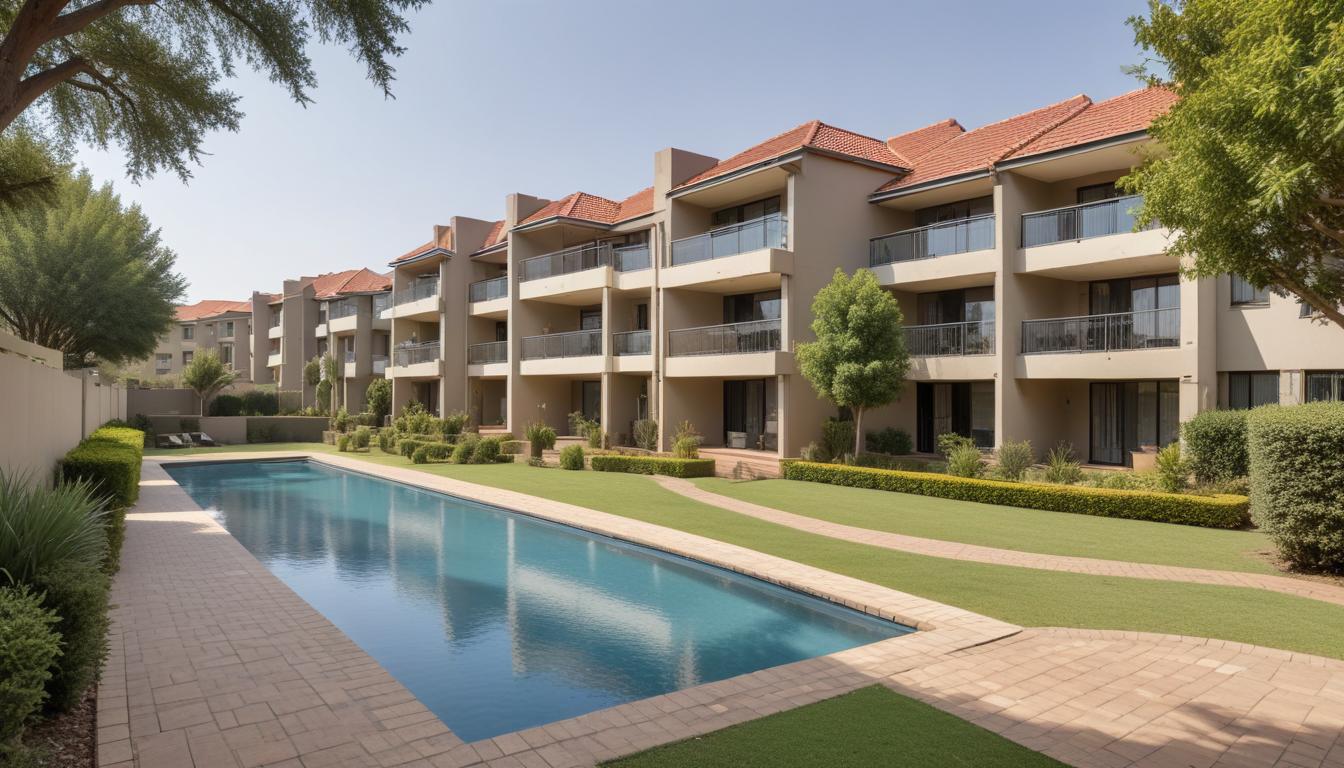
Over the past eighteen months, auction houses across the Johannesburg area have recorded a telling pattern. Prime Sandton properties continue to attract international investor interest, with recent results showing sectional titles in developments near Sandton City commanding premiums of 8–12 percent above asking price. Yet venture just beyond the established blue-chip zones—into Midrand and Fourways—and the narrative shifts. Here, inventory is moving slower, with properties sitting 45–60 days on market before sale, compared to 25–30 days in Sandton proper.
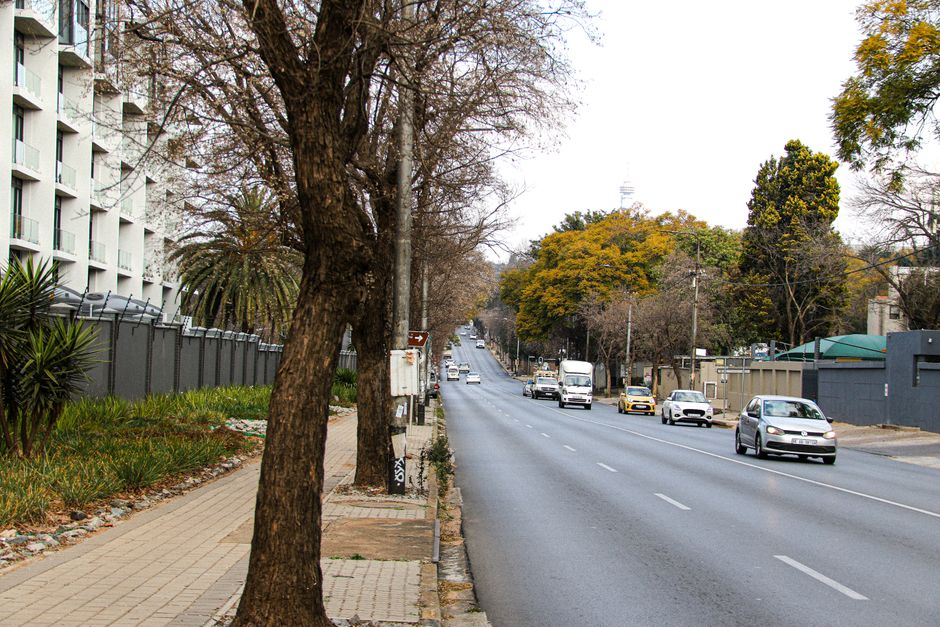
The data signals a market fracturing along affordability lines. Entry-level properties in emerging urban renewal corridors like Melville are experiencing genuine traction, with small sectional titles and townhouses between ZAR 800,000 and ZAR 1.2 million seeing multiple offers. This mirrors broader sentiment: buyers in these areas are making rational decisions, treating property as primary residence rather than speculative asset. Conversely, the ZAR 2–3 million band—traditionally the domain of upgraders—has grown sluggish. Agents report that properties in this range, particularly freestanding houses in areas like Rosebank and Illovo, require sharper pricing discipline than two years ago.
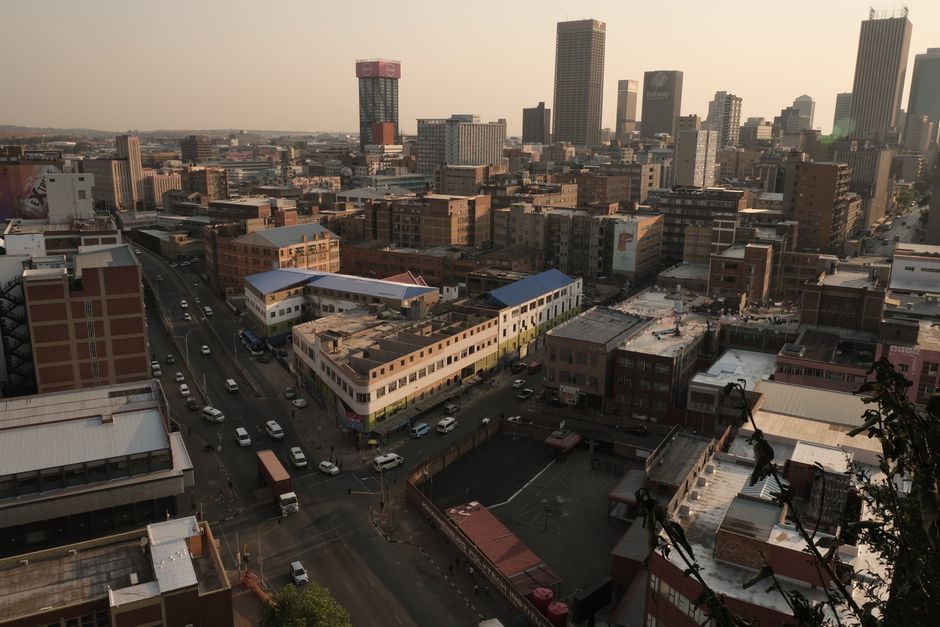
Auction results from major venues along the Johannesburg CBD's property corridors reveal another signal: cash buyers are returning. This typically suggests confidence among the financially secure, yet it also indicates that bond approval timelines remain stretched. Banks continue their cautious stance, making speed and certainty of funds critical to competitive offers.
The sectional title segment—dominant among Johannesburg investors—paints the clearest picture. New supply in Fourways has absorbed buyer interest that might otherwise have flowed to older stock, creating localised price pressure in established complexes. Yet demand for well-maintained, older sectional titles closer to employment nodes remains robust, suggesting migration toward convenience over novelty.
What does this signal about the road ahead? Markets splitting into haves and have-nots typically precede broader corrections or stabilisation. Buyers sitting on the fence should watch spring auction schedules closely; if results in mid-market segments remain tepid through July and August, further price adjustment may follow. Meanwhile, those able to move decisively in undervalued corridors may find 2026's best entry points have already passed.
This article was compiled by AI from the sources linked above and screened before publishing. See our editorial standards.
How does this story make you feel?
Spread the word
About this article
Published by The Daily Johannesburg
Daily brief
Free, in your inbox before 7am. Weekdays.
More in Property