Why New Development Projects Are Reshaping Johannesburg's Rental Yield Game
From Melville's urban revival to Fourways' mixed-use boom, savvy investors are banking on infrastructure projects to drive returns in transformed neighbourhoods.
From Melville's urban revival to Fourways' mixed-use boom, savvy investors are banking on infrastructure projects to drive returns in transformed neighbourhoods.
The Johannesburg property market has long rewarded patient investors who understand one fundamental truth: yields follow infrastructure. Today, that principle is playing out across the city's fastest-evolving corridors, where new development projects are fundamentally altering neighbourhood appeal—and rental demand.
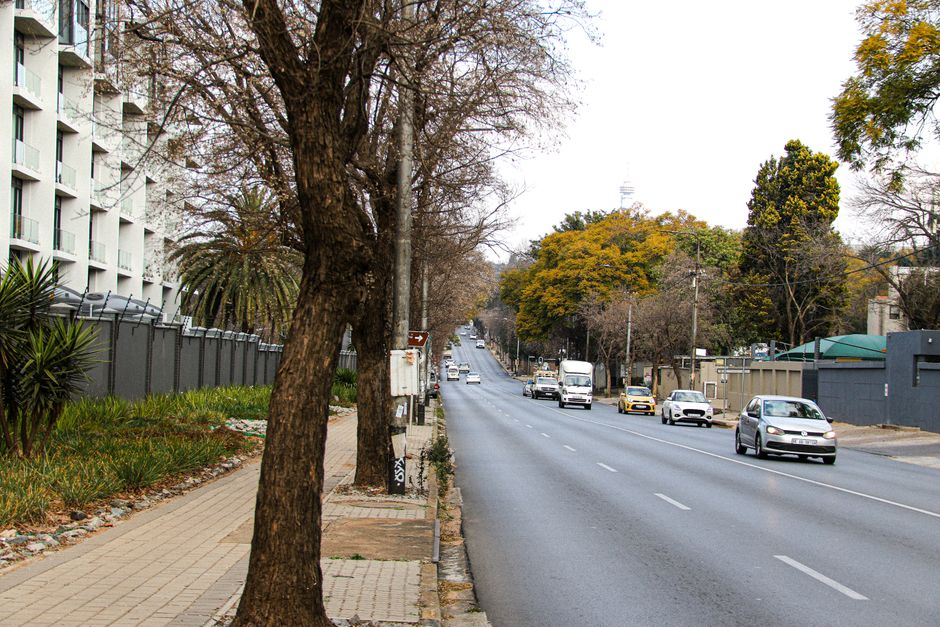
Consider Melville, where the ongoing rejuvenation of the precinct has attracted significant mixed-use development. The area's transformation from sleepy residential pocket to creative and hospitality hub has driven average sectional title yields to competitive levels around 6–7% annually, compared to the broader Joburg average of approximately 5.2%. Investors who acquired units before the precinct's infrastructure makeover—new parking solutions, public realm improvements, and commercial anchors—have seen both capital appreciation and rental demand climb substantially.
The story repeats in Fourways and Midrand, where the proliferation of shopping centres, office parks, and residential mixed-use schemes is creating a virtuous cycle. Properties within walking or short-drive distance of these developments command premium rents because tenants value proximity to employment nodes and amenities. A two-bedroom apartment in a well-positioned sectional title complex near Fourways Town Centre or The Waterfall can achieve rental yields of 6.5–7.5%, significantly outperforming properties in static neighbourhoods.
What makes this cycle work? New developments increase foot traffic, establish service ecosystems, and—critically—upgrade the perception of an area. When a major retail or corporate project breaks ground, local property values typically begin adjusting 12–18 months before completion. Landlords who time their entry into neighbourhoods experiencing active development benefit from both rising capital values and heightened tenant demand.
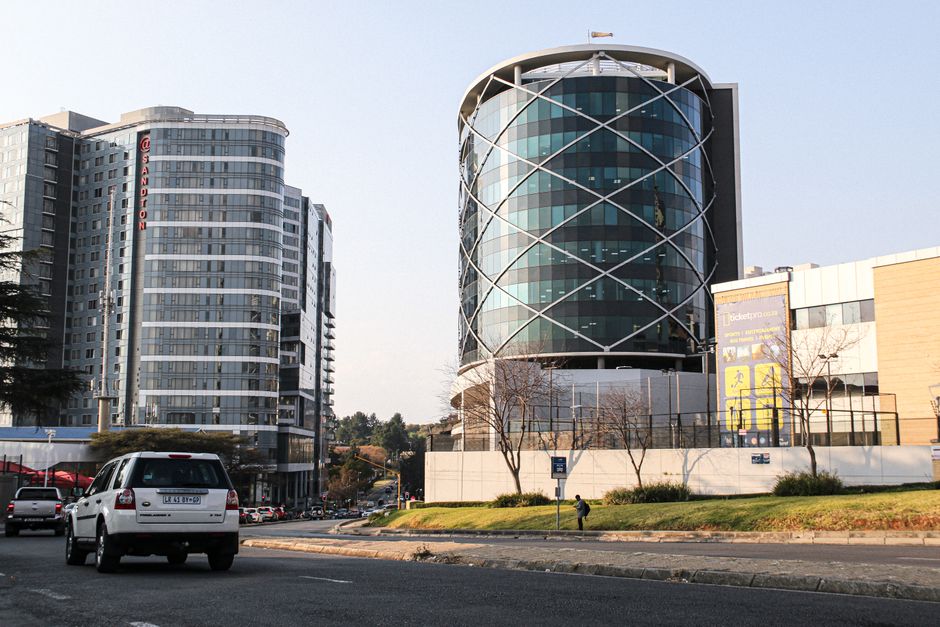
The mechanics favour investors thinking strategically. Rather than chasing established hotspots like Sandton, where yields hover closer to 4–5% despite premium pricing, forward-looking landlords are monitoring Johannesburg's planned infrastructure projects: transport initiatives, municipal upgrades, and private sector developments that reshape suburban corridors.
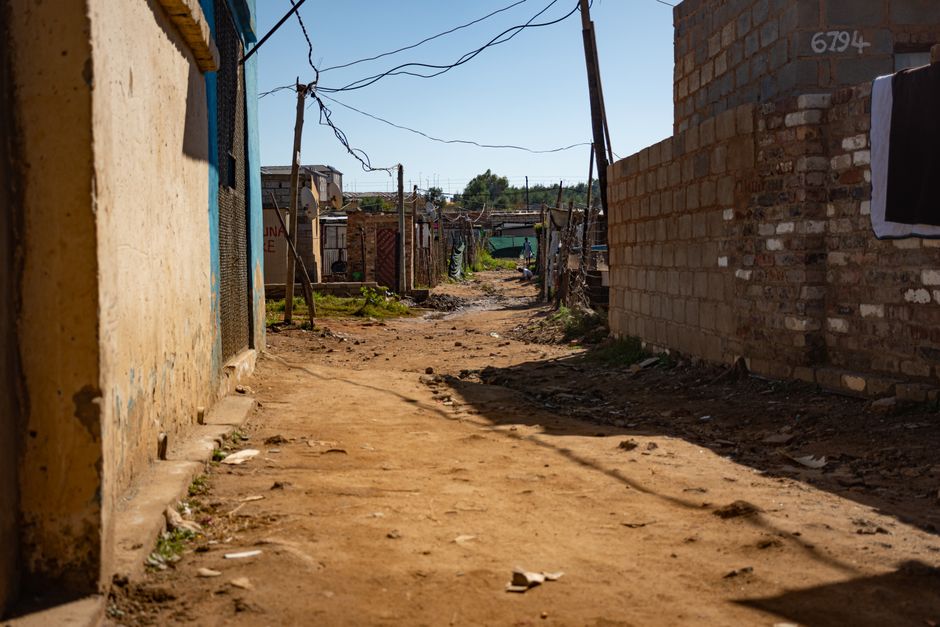
For investors evaluating properties today, the lesson is clear: development proximity matters. A sectional title unit in a neighbourhood attracting new commercial, retail, or mixed-use investment will typically outperform comparable properties in static areas over a five-to-ten-year hold period. The yield cushion—often 1.5–2 percentage points—compensates for the slightly higher entry price and compounds meaningfully over time.
The Johannesburg market rewards those who read the development map correctly. Understanding where infrastructure is heading, not just where it exists, remains the surest path to competitive returns in Africa's economic powerhouse.
This article was compiled by AI from the sources linked above and screened before publishing. See our editorial standards.
How does this story make you feel?
Spread the word
About this article
Published by The Daily Johannesburg
Daily brief
Free, in your inbox before 7am. Weekdays.
More in Property