The Johannesburg property market has shifted. Where once a residential investment could deliver 8–10% rental yields, first-time landlords today are navigating tighter margins, rising municipal rates, and a fractured buyer base. But opportunity remains for those who understand the landscape.
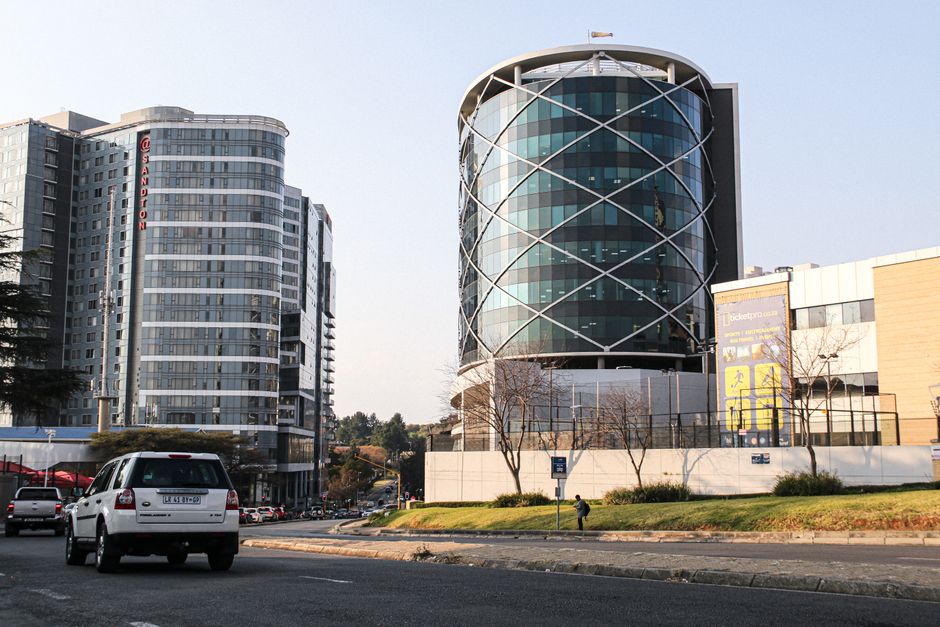
Start with neighbourhood selection—arguably the most critical decision. The city's average property price hovers around ZAR 1.5 million, yet yields vary dramatically by pocket. Melville's urban renewal corridor has attracted young professionals, pushing rental demand north, while Fourways and Midrand continue to absorb corporate relocations from the CBD, offering steadier tenant stability. Sandton remains premium territory, but purchase prices there often outpace rental income potential for first-timers. Instead, consider the secondary nodes: areas adjacent to the Johannesburg Stock Exchange corridor or near Rosebank's business district offer better entry-level fundamentals.
Sectional title properties have become the investor's default. They're popular with renters—young professionals and expats seeking flexibility—and require less maintenance headache than freehold homes. Two-bedroom units in well-managed complexes with gyms and 24-hour security along streets like Oxford Road or near The Zone@Rosebank can yield 5–6% annually, with capital appreciation offsetting lower rental returns. Check the scheme's financial health and sinking fund reserves; a poorly managed body corporate will erode your profit margin fast.
Realistic yield expectations matter. Municipal rates, property taxes, sectional title levies, and maintenance reserves typically consume 30–40% of gross rental income. If you're buying at ZAR 1.8 million expecting ZAR 12,000 monthly rent, you're looking at a 6.7% gross yield—closer to 4% net. That's the market reality today, not the exception.
Tenant vetting is non-negotiable. Work with established letting agents; verify employment with employers directly, not via tenant-supplied contacts. The cost of a bad tenant—lost rent, eviction fees, property damage—far exceeds the agent's commission. Johannesburg courts move slowly; prevention is cheaper than litigation.
Finally, build financial buffers. Set aside three months' rent for vacancy periods, which are common in downturns. The market cycles; Johannesburg's cycle typically spans 5–7 years. If you're financing the purchase, stress-test your affordability against a 2% interest rate rise and 6–8 weeks of vacancy annually.
The market rewards patient, informed investors. But first-timers who chase yields without understanding neighbourhood fundamentals or tax implications often regret their entry. Do the homework. The opportunity is real—but so are the pitfalls.
This article was compiled by AI from the sources linked above and screened before publishing. See our editorial standards.