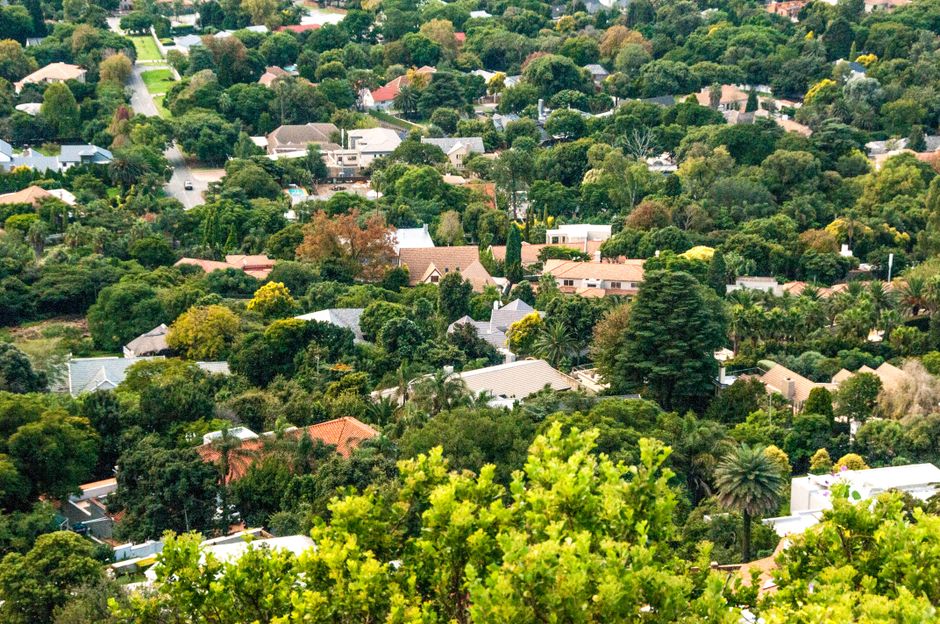
Kramerville has quietly emerged as Johannesburg's most compelling property play, with a constellation of new developments and municipal approvals reshaping the suburb's once-sleepy character into a thriving mixed-use destination.
The transformation is unmissable on the ground. Along Jan Smuts Avenue and stretching into the tree-lined residential pockets, construction cranes signal intent. A cluster of approvals from the City of Johannesburg over the past eighteen months has green-lit developments ranging from mid-rise residential units to boutique office-to-residential conversions—the kind of adaptive reuse strategy that's proven lucrative in Melville but remains cheaper to execute here.
Unlike the entrenched premium positioning of Sandton's office parks or the saturation now visible in Fourways' retail corridors, Kramerville offers a sweet spot: established infrastructure, proximity to the M1 corridor, and critically, available land. Properties that were trading around ZAR 12,000 to ZAR 15,000 per square metre two years ago are now moving at ZAR 18,000 to ZAR 22,000, particularly for sectional title developments—a format that continues to attract both owner-occupiers and portfolio investors seeking lower entry points than full title residential.
The approval pipeline is substantial. Municipal records show fifteen significant projects either approved or in advanced consultation phases, including a 240-unit mixed-income complex near Kramerville Primary School, two office-to-residential conversions of 1980s commercial buildings, and several smaller infill schemes. This scale of activity suggests genuine confidence from developers, not speculative dabbling.
What's driving investor interest? Demographic shift is central. Young professionals priced out of Melville's gentrified rents—where comparable units now command ZAR 18,000 to ZAR 25,000 monthly—are looking north. Kramerville's rental yields, hovering around 6% to 7% on new sectional title stock, compare favourably to broader Joburg averages. Schools like Kramerville Primary and proximity to both Bryanston and Sandton employment nodes add fundamental appeal beyond pure speculation.
The risk remains execution and municipal service delivery. Load-shedding and water infrastructure strain are perennial concerns for new residential. Yet the sheer velocity of approvals suggests stakeholders—from the City to major developers—are betting on managed improvement.
For investors watching the average Joburg property price hover around ZAR 1.5 million, Kramerville's combination of lower absolute prices, emerging infrastructure investment, and genuine demographic tailwinds presents a rare window. The suburb's moment may not last; it rarely does in Johannesburg's property cycles. But right now, the numbers and the cranes tell the same story.
This article was compiled by AI from the sources linked above and screened before publishing. See our editorial standards.