New Build Yields in Joburg: What Construction Approvals Mean for Investor Returns
Fresh development pipelines in Fourways and Midrand are reshaping rental yields, but the numbers reveal a widening gap between hype and reality.
Fresh development pipelines in Fourways and Midrand are reshaping rental yields, but the numbers reveal a widening gap between hype and reality.
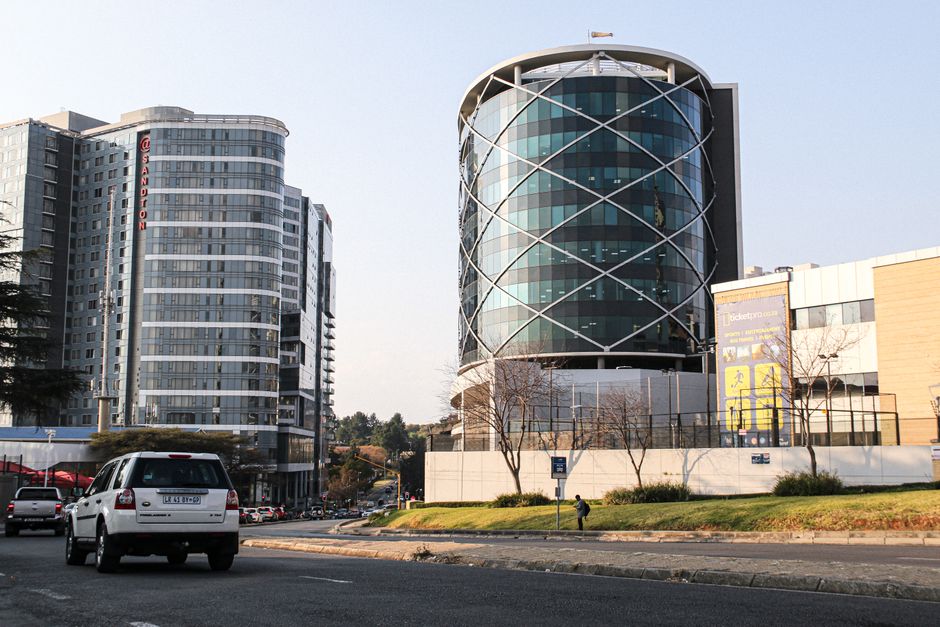
The City of Johannesburg's planning department has approved 47 new residential developments in the past 18 months—the highest rate since 2019. But for property investors watching sectional title yields compress across prime markets, the real story isn't in the approvals; it's in who gets paid.
Developments clustering along the Witkoppen Road corridor and around Midrand's corporate nodes are generating rental yields between 5.2% and 6.8% gross—respectable on paper, but net returns tell a different story. Investors in new sectional title units are seeing service charges climb 8-12% annually, eating into the margin that once made Joburg property an attractive alternative to bonds and unit trusts.
The pipeline matters because supply dynamics shift everything. A three-bedroom apartment in Fourways that rented for ZAR 18,500 monthly two years ago now competes against 40 new units in a five-kilometre radius. That pressure pushed Fourways yields down from 6.1% to 5.4% year-on-year, according to rental data tracked across major portals.
Sandton remains the yield outlier—newer developments around the Sandton City precinct are achieving 4.8-5.2% gross yields, but they're competing on finishes and amenities, not rental growth. The market there has matured past the point where new approvals automatically unlock value. Instead, investors are chasing Melville's urban renewal corridor, where yield spreads have widened to 6.9-7.4% on renovated sectional title stock.
The City's recent fast-tracking of approvals on Jan Smuts Avenue and in the Rosebank fringe has caught developers' attention. Construction finance approvals jumped 34% in the first quarter of 2026, but that enthusiasm masks a reality: not every new development delivers investor returns. Ground-floor retail components, mandatory affordable housing quotas, and infrastructure levies are squeezing profit margins on smaller projects.
What the approvals pipeline shows, ultimately, is a supply-led market correcting itself. The average Johannesburg property price remains anchored around ZAR 1.5 million, but new units are entering at higher price points—pushing the median development price to ZAR 2.1 million. That's creating a two-speed market: premium new stock targeting owner-occupiers and corporate relocations, and secondary stock offering investors genuine yield pockets.
For those watching construction data as a leading indicator, the message is clear: approvals are up, but yields are selective. The next 12 months will separate developments that deliver genuine investor returns from those that simply add supply to an increasingly bifurcated market.
This article was compiled by AI from the sources linked above and screened before publishing. See our editorial standards.
How does this story make you feel?
Spread the word
About this article
Published by The Daily Johannesburg
Daily brief
Free, in your inbox before 7am. Weekdays.
More in Property