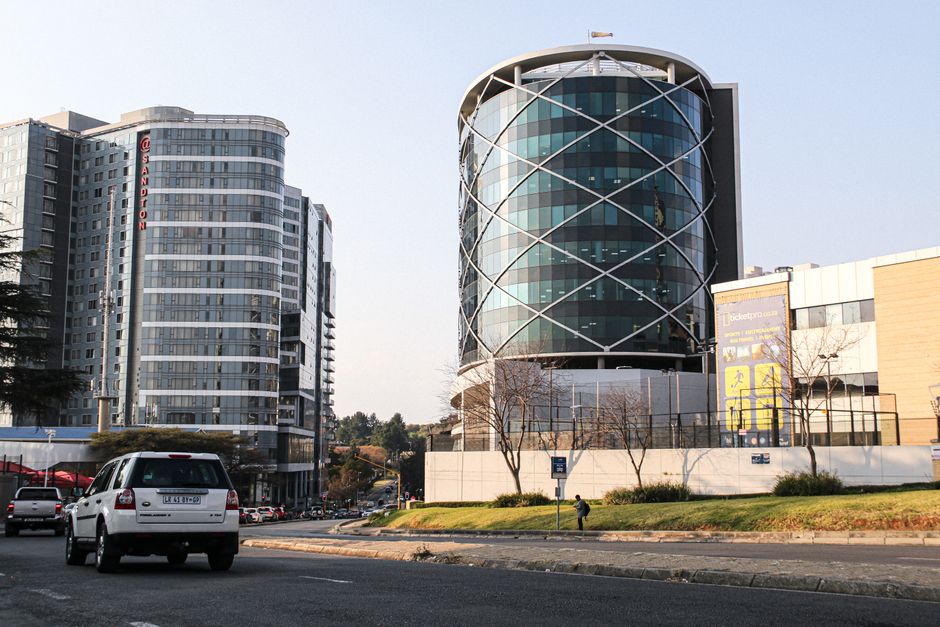
Johannesburg's rental market is experiencing a peculiar paradox. While vacancy rates in prime corridors like Sandton and the Fourways-Midrand axis have compressed to below 5%, the broader city grapples with affordability pressures that leave many renters squeezed between shrinking options and climbing costs. Understanding what's driving this divergence has become essential for anyone evaluating the rental landscape in 2026.
The vacancy crunch is real—and highly localised. Properties commanding ZAR 18,000 to ZAR 25,000 monthly in Sandton's office-adjacent suburbs are moving fast, backed by corporate relocation policies and expatriate demand linked to international business expansion. Similarly, the Melville urban renewal corridor has seen rental appetite surge among young professionals, pushing two-bedroom units to ZAR 12,000 to ZAR 16,000. But step outside these magnetic zones, and the picture softens considerably.
What's driving tight vacancy in premium nodes is simple: investor confidence. Sectional title properties remain investor darlings—they require minimal maintenance liability, offer clear exit strategies, and generate steady yields between 5 and 7 percent. Institutional money has also entered the space, with property syndication platforms reporting increased activity on well-located portfolio builds.
The hidden pressure, however, stems from undersupply in the mid-market segment—the ZAR 8,000 to ZAR 12,000 range where families and service-sector workers typically rent. Here, vacancy sits stubbornly higher because new developments have skewed upmarket, and conversions of older stock (particularly around the Johannesburg CBD and Braamfontein) remain hamstrung by regulatory delays and refurbishment costs.
For tenants navigating this environment, timing matters. Peak rental releases occur around January and June; waiting until August or September typically surfaces better negotiating leverage. Location arbitrage—renting in Fourways but commuting to the Sandton business district—remains viable, though fuel and time costs must factor into the equation.
Critically, institutional landlords are tightening tenant vetting. References, payslips spanning 12 months, and proof of deposit funds are now standard—not optional. Casual rental arrangements through private landlords are becoming rarer, pushing more renters toward formal agencies and verified platforms.
The real market story isn't about overall scarcity; it's about segmentation. Premium stock vacancies are negligible. Mid-market supply remains constrained. And affordable rental options continue shrinking. Tenants should expect to pay more for less flexibility while competing against investors hunting yield. That's the Joburg rental reality of mid-2026.
This article was compiled by AI from the sources linked above and screened before publishing. See our editorial standards.