New Build, New Rules: A First-Time Buyer's Guide to Joburg's Development Boom
With construction approvals accelerating across Fourways, Midrand and Melville, here's what novice property investors need to know before signing on the dotted line.
With construction approvals accelerating across Fourways, Midrand and Melville, here's what novice property investors need to know before signing on the dotted line.
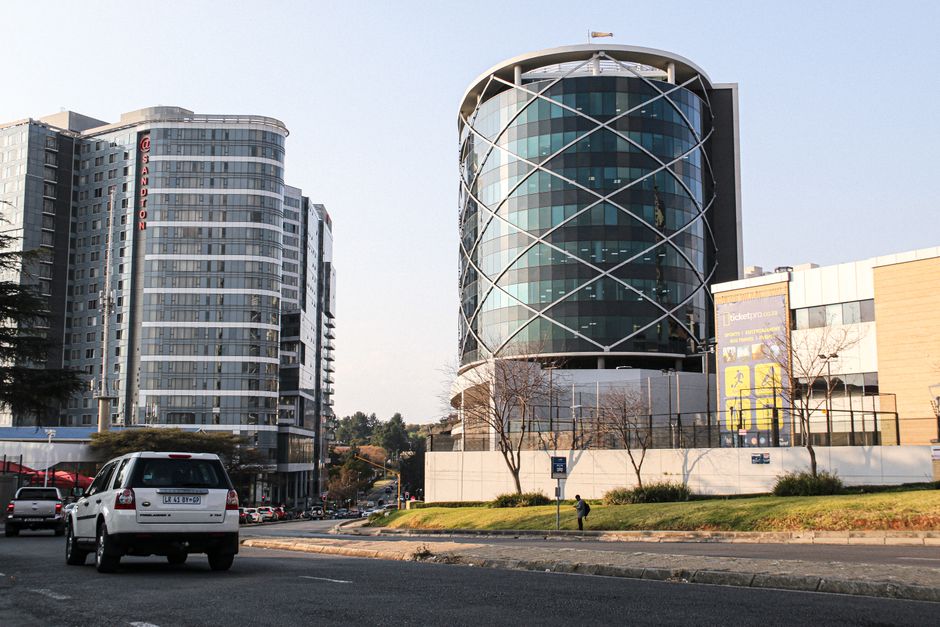
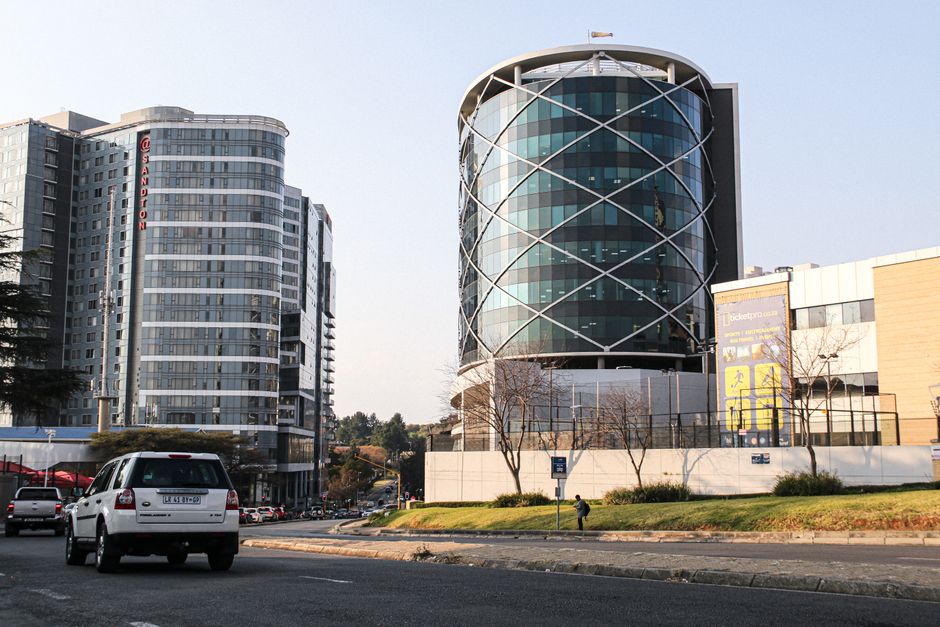
Johannesburg's property market is experiencing a visible construction revival. From the Melville streetscapes to the expanding commercial corridors along the M1 towards Midrand, new developments are reshaping where young professionals and families choose to buy. For first-time buyers entering this landscape, understanding the approval process and development lifecycle isn't just helpful—it's essential.
The City of Johannesburg's planning department has reportedly fast-tracked approvals for mixed-use and sectional title projects, particularly in identified growth nodes like Fourways and the Midrand precinct. This acceleration means more new stock is hitting the market, but timing matters. A development approved today may take 18–36 months to reach completion, depending on scale and complexity. First-time buyers should ask developers for their full project timeline and track record of delivery before committing.
Sectional title units—hugely popular with Joburg investors—dominate new approvals. The average sectional title in established areas hovers around ZAR 1.5 million citywide, but new developments in growth corridors like Fourways often price competitively below established Sandton alternatives, sometimes 15–20% lower for comparable specs. This gap attracts first-time buyers, but it's crucial to understand what you're paying for: location maturity, infrastructure readiness, and long-term appreciation potential.
Before selecting a development, verify that the project has obtained its Section 21A approval from the City—the critical sign-off that permits construction. Check the developer's track record through the Johannesburg Property Owners and Managers Association (JPOMA) and confirm whether previous projects delivered on schedule and within budget. Visit the sales office in person; glossy renderings don't reveal soil conditions, traffic patterns, or neighbouring land use.
Financing is another frontier. Banks are cautious about off-plan purchases in emerging nodes. Secure pre-approval before viewing; lenders typically require 10–15% deposit for new developments, with the balance payable on completion. Ensure your bond is specifically structured for sectional title, as this carries different risk assessments than freehold property.
Finally, investigate the area's municipal services. New developments in Midrand and Fourways often rely on existing infrastructure that can strain under rapid population influx. Ask the developer about water, electricity, and sewerage capacity. Check the local ward councillor's office for planned upgrades to roads and public transport.
The Joburg property market rewards informed buyers. New developments offer genuine opportunity for first-timers, but only when you've done your homework on approvals, timelines, and neighbourhood fundamentals.
This article was compiled by AI from the sources linked above and screened before publishing. See our editorial standards.
How does this story make you feel?
Spread the word
About this article
Published by The Daily Johannesburg
Daily brief
Free, in your inbox before 7am. Weekdays.
More in Property