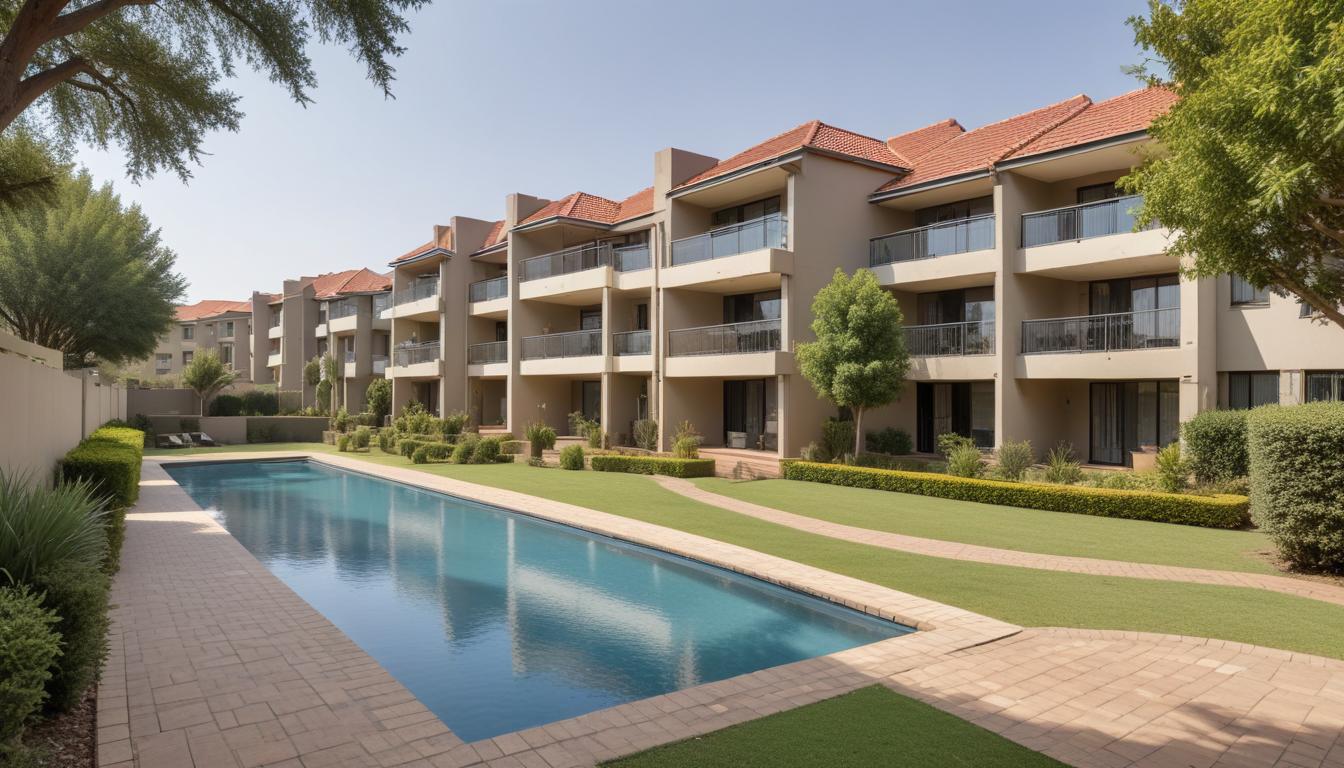
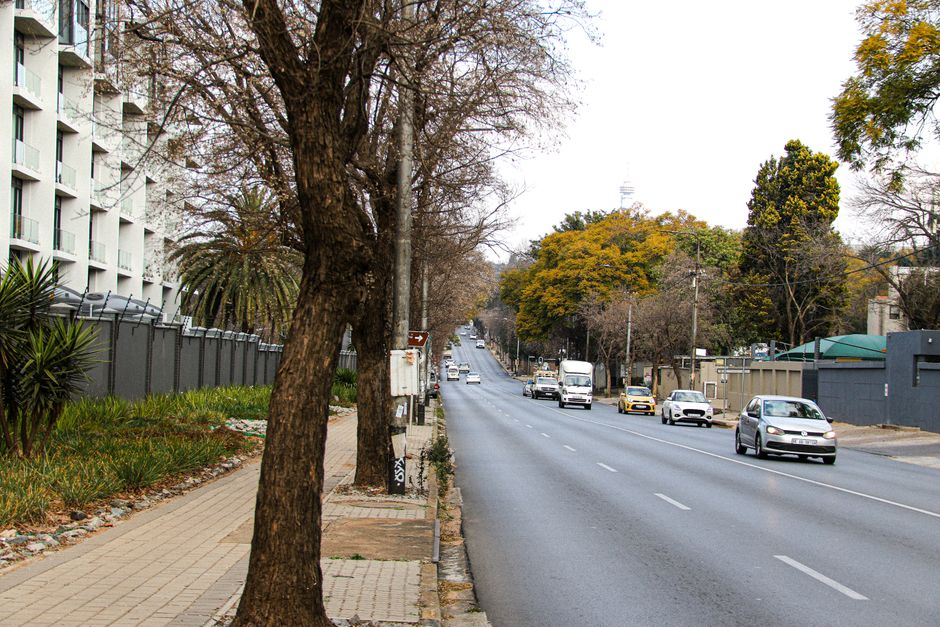
Johannesburg's rental market is experiencing a significant contraction, with vacancy rates in premium neighbourhoods like Sandton and Fourways dipping below 5%, according to property sector analysts tracking municipal planning decisions implemented over the past eighteen months. The shift stems largely from stricter sectional title conversion policies and accelerated urban renewal frameworks that have reshaped developer priorities across the city.
The City of Johannesburg's revised Mixed-Use Development Framework, introduced in early 2025, has fundamentally altered investment patterns in traditionally rental-heavy zones. Properties along Rivonia Road and within the Melville precinct—historically attractive to investors seeking moderate rental yields—now face extended approval timelines for multi-unit conversions. This regulatory tightening has paradoxically driven up rental rates while reducing available stock. Average monthly rentals for two-bedroom apartments in Melville have climbed from ZAR 8,500 to over ZAR 11,000 in just two years, while comparable Fourways units remain slightly more affordable at ZAR 9,800.
What makes this shift particularly significant is the underlying policy intention. Municipal authorities, responding to housing pressure from the Alexandra and surrounding informal settlement corridors, have introduced incentives for sectional title developments in these areas. The result: developers are redirecting capital away from traditional rental conversions in established suburbs, favoring owner-occupied sectional title projects instead. This strategic pivot has created unexpected vacancy pockets—particularly in older Johannesburg North office parks being repurposed as residential spaces—while squeezing supply in sought-after suburbs.
Renters navigating this landscape now face a critical decision point. Tenants previously anchored to central business district proximity around the Rosebank or Sandton corridors are increasingly exploring Midrand and emerging precincts like Woodmead, where municipal zoning amendments have encouraged mixed-use rental developments. These secondary locations offer competitive rates—averaging ZAR 8,200 for comparable units—and longer lease terms, though commute times to traditional employment hubs like Sandton Central remain a consideration.
The Property Practitioners Regulatory Authority and local estate agent networks emphasize that prospective tenants should scrutinize municipal planning announcements and zoning status before committing to leases. Properties in areas flagged for inner-city renewal initiatives may experience sudden rental value shifts or conversion pressures within three to five years. For investors, the environment demands strategic positioning: sectional title opportunities in designated regeneration zones currently offer stronger long-term prospects than traditional buy-to-let rental investments in established suburbs.
Market analysts expect this volatility to stabilize by 2027, once the current zoning amendments fully settle and developer responses mature. Until then, both renters and investors must remain agile—treating policy change as a primary market indicator alongside traditional metrics like interest rates and employment trends.
This article was compiled by AI from the sources linked above and screened before publishing. See our editorial standards.