Joburg Property Approvals: 6-Month Fast-Track Framework 2026
Johannesburg's new planning rules slash property approvals from 24 months to 9 months. Explore opportunities in Fourways, Melville, and Sandton—and affordability concerns.
Johannesburg's new planning rules slash property approvals from 24 months to 9 months. Explore opportunities in Fourways, Melville, and Sandton—and affordability concerns.
Johannesburg's property market is experiencing a structural shift as the municipality implements sweeping changes to its development approval process. The revised Spatial Development Framework, adopted in Q1 2026, has compressed timelines for mixed-use projects from 18–24 months to 6–9 months, a move that's already reshaping investor behaviour across premium and mid-tier segments.
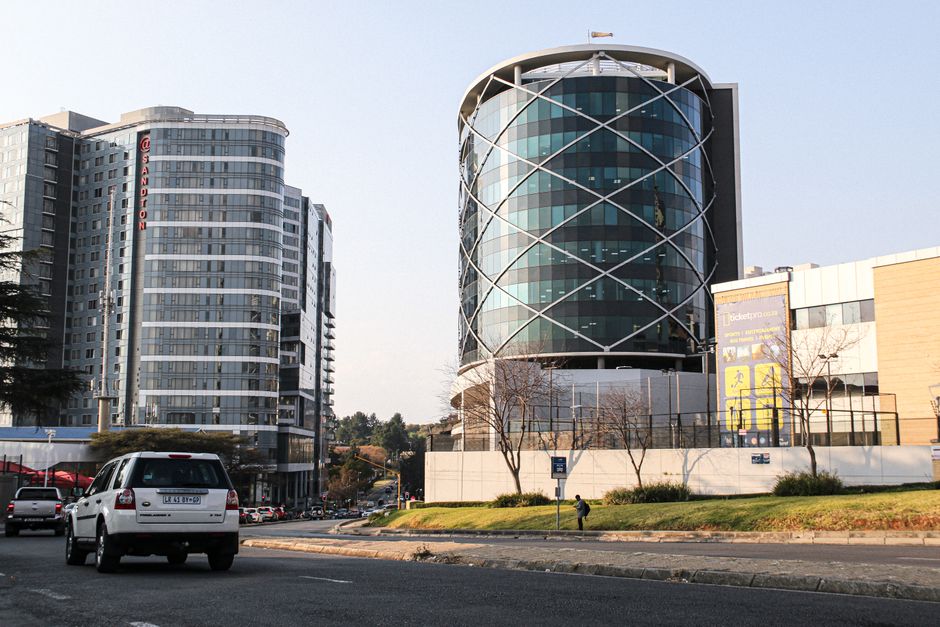
The policy overhaul targets three priority corridors: the Fourways-Midrand axis, where residential densification around commercial nodes now receives expedited sign-off; the Jan Smuts Avenue urban renewal precinct in Melville, opening opportunities for adaptive conversion; and the Sandton CBD extension zone northwards towards Grayston Drive. For developers, the implications are immediate. Projects previously shelved—including the stalled 450-unit complex on Witkoppen Road in Fourways—are moving to site mobilisation within months. Property analysts tracking the ZAR 1.5M average price point note early momentum: enquiries for sectional title units in mixed-use developments jumped 34% in May alone.
The policy shift reflects pressure from both sides. Municipal officials cite infrastructure capacity along established corridors and desire to boost rates revenue. Developers argue outdated Environmental Impact Assessment protocols were strangling supply. Yet the market impact cuts both ways. While construction financing has eased and headline transactions in Sandton premium segments (ZAR 8–15M range) show renewed appetite, critics worry about quality trade-offs.
"Faster approvals don't guarantee better outcomes," warns the Johannesburg Property Council, noting that heritage considerations in Melville's Victorian pockets may be compressed in rush to greenlight projects. Several proposed office-to-residential conversions along 4th Avenue face community pushback precisely because consultation windows have narrowed.
The affordability question looms largest. While middle-market segments benefit, entry-level pricing (sub-ZAR 800K) has shifted upward. New developments in Midrand corridors are increasingly priced at ZAR 1.2–1.8M, squeezing first-time buyers into longer commute zones like Centurion or Ekurhuleni.
The City's next milestone arrives in Q3, when sectional title regulations undergo review—a move that could accelerate investor syndication models. Property agents report institutional buyers positioning for opportunities, particularly in Fourways where approved densification creates yield-accretive profiles. Meanwhile, speculation around the Melville precinct is mounting as heritage valuations reset.
For property buyers and investors, the policy momentum offers both timing advantages and execution risk. Projects greenlighted faster may also experience delivery volatility. Savvy participants are hedging by locking agreements early, aware that Joburg's planning cycle—however streamlined—remains subject to economic headwinds and service delivery constraints that no approval framework fully controls.
This article was compiled by AI from the sources linked above and screened before publishing. See our editorial standards.
How does this story make you feel?
Spread the word
About this article
Published by The Daily Johannesburg
Daily brief
Free, in your inbox before 7am. Weekdays.
More in Property