The rental market in Johannesburg has become a pressure cooker, with tenants and landlords alike caught between competing forces reshaping the city's housing landscape. While the purchase market has seen average property values climb toward ZAR 1.5 million, many residents have abandoned homeownership dreams entirely, pushing demand for rentals to unprecedented levels.
In desirable neighbourhoods like Melville, where urban renewal has attracted young professionals and students, landlords report rental yields exceeding 7% annually—a stark contrast to slower purchase-price appreciation. A modest two-bedroom apartment on 7th Street now commands between ZAR 12,000 and ZAR 15,000 monthly, a 15% increase from three years ago. For tenants, it's a grim reality: rental payments now consume 35-40% of middle-income earners' salaries, well above the recommended 30% threshold.
The dynamics differ sharply across the city's geography. In Fourways and Midrand, where corporate relocations continue, landlords enjoy low vacancy rates and can enforce strict tenant selection. Yet even here, the rental surge has unexpected consequences. Turnover has increased as tenants seek more affordable alternatives further afield, forcing landlords to invest in maintenance and marketing to attract quality renters.
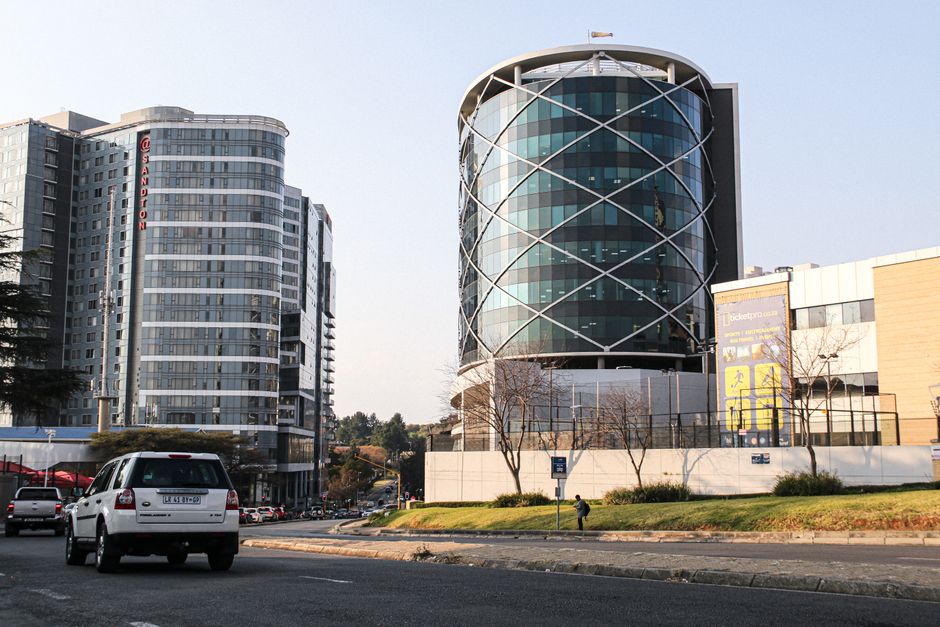
Sectional title properties—popular with small investors along the Sandton corridor and surrounding areas—have become crucial to rental supply, but they're not without friction. Body corporate fees have risen 8-10% annually, costs landlords must often absorb or pass to tenants, further eroding affordability.
For renters, the implications extend beyond monthly payments. Long-term lease insecurity has become commonplace. Landlords, facing inflationary pressures on rates, water, and electricity, increasingly request yearly escalations and shorter lease terms. Some neighbourhoods have seen informal rental associations emerge to negotiate collective agreements—a sign of the tension underlying transactions.
Banks and property management firms report a growing trend: landlords reconsidering their portfolios. Some are converting rental properties to sectional sales, fragmenting supply further. Others are simply exiting the rental market entirely, citing tenant disputes and regulatory complexity as deterrents.
For Johannesburg's housing future, the split is widening. Purchase-market growth remains concentrated in established wealth zones like Sandton, while renters increasingly cluster in transitional areas like Melville and Bryanston. The rental squeeze isn't merely an affordability issue—it's reshaping neighbourhood demographics and forcing both tenants and landlords to rethink their long-term strategies in a city where housing costs show no signs of stabilising.
This article was compiled by AI from the sources linked above and screened before publishing. See our editorial standards.