Johannesburg Rental Market 2025: Tenant Leverage Shifts
Vacancy rates in Johannesburg's premium suburbs hit 8-12% as tenant demand softens. Discover how shifting rental dynamics are reshaping landlord-tenant bargaining power in 2025.
Vacancy rates in Johannesburg's premium suburbs hit 8-12% as tenant demand softens. Discover how shifting rental dynamics are reshaping landlord-tenant bargaining power in 2025.

Johannesburg's rental market is experiencing a fundamental realignment. After years of steady demand and rising yields, landlords across premium suburbs and emerging growth areas are confronting a new reality: tenant leverage is increasing, and rental growth is stalling.
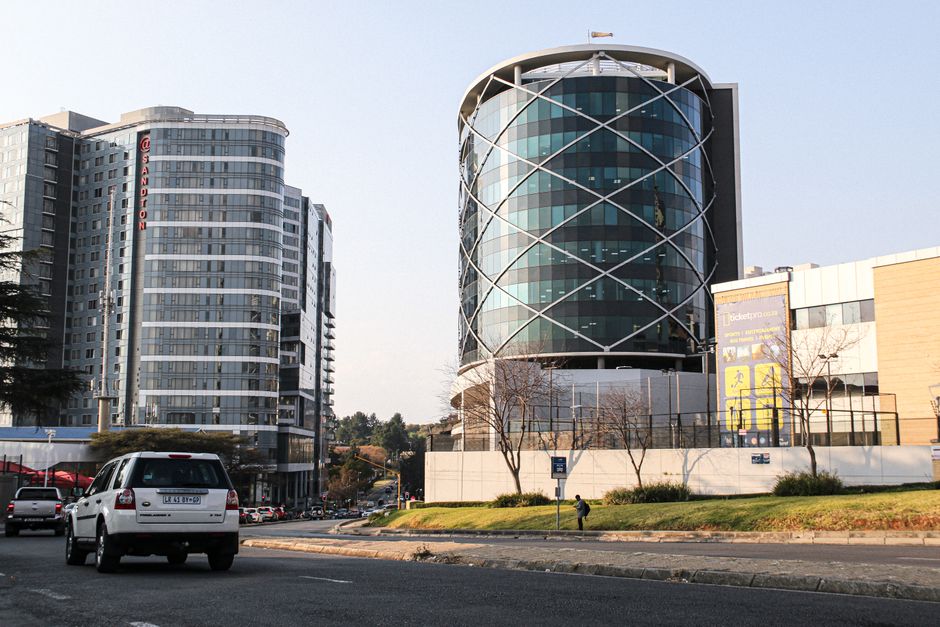
Data from property practitioners across the city suggests vacancy rates in established areas like Sandton and Rosebank have climbed to 8–12%, significantly above the 5% threshold considered healthy for landlords. Meanwhile, the average rental in Johannesburg hovers around ZAR 18,000 monthly for a two-bedroom apartment, with growth flatlined compared to 2024's 6–7% annual increases. In traditionally strong corridors—particularly along the M1 between Fourways and Midrand—competition for tenants has intensified markedly.
The tension is reshaping both sides of the rental equation. Landlords, particularly those holding sectional title units in complexes along Oxford Road or in the Melville precinct, are offering rent reductions, extended lease periods, or absorption of utility costs to retain occupants. Some are reducing asking prices by 10–15% to avoid extended vacancies that erode net yields faster than modest rental concessions.
Tenants, conversely, are enjoying unprecedented negotiating room. Where 2023 saw landlords rejecting improvement requests outright, 2026 presents opportunities: lease breaks without penalties, landlord-funded renovations, and reduced deposits are becoming commonplace. Young professionals and small families moving into Melville's revitalised suburbs, or considering the comparative affordability of Bryanston and Cresta, now have genuine choice—a shift that hasn't existed in Joburg's rental sector for a decade.
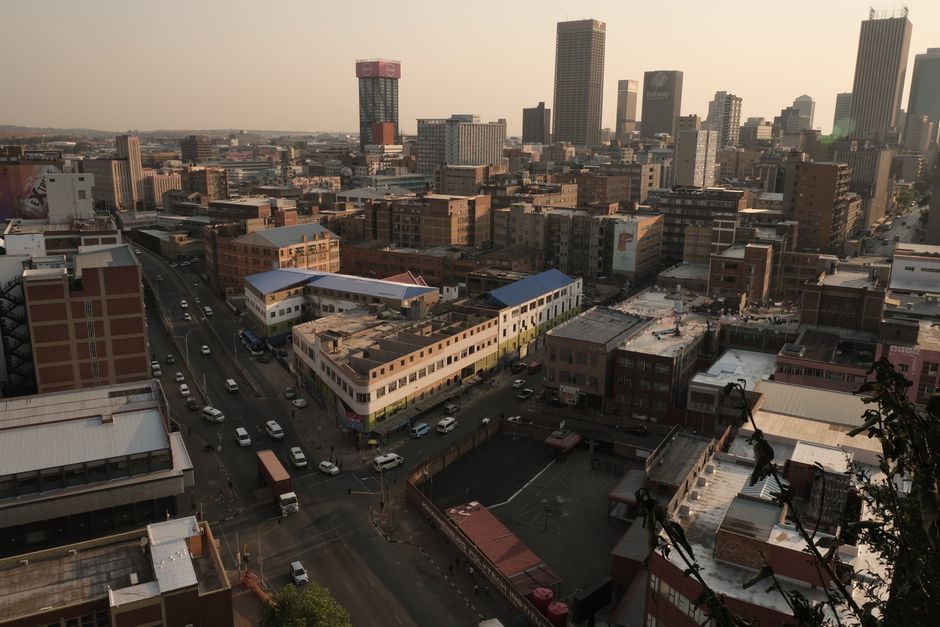
Commercial property bodies have begun flagging concerns. The softening demand reflects broader economic headwinds, rising sectional title levies, and increased tenant mobility as remote work reshapes commute priorities. Landlords around the Braamfontein and Newtown precincts—areas seeing genuine urban renewal investment—report longer vacancy periods despite theoretical appeal to young professionals seeking proximity to restaurants, galleries, and cultural venues.
For mid-market investors holding portfolios across Fourways or Sandton, the implications are sobering. Yield compression is real. A property yielding 7% gross returns two years ago may now deliver 5.5–6%, a margin that matters significantly on leveraged portfolios. Some are pivoting toward shorter-term rental models or considering sales to unlock capital for better-performing asset classes.
Yet this correction may prove necessary. The rental market's overheating created unsustainable dynamics for tenants and distorted investment decisions. A more balanced market—where landlords compete on service and condition while tenants enjoy security—may ultimately stabilise Johannesburg's residential property sector and attract institutional investment that has largely sidelined South African residential real estate.
This article was compiled by AI from the sources linked above and screened before publishing. See our editorial standards.
How does this story make you feel?
Spread the word
About this article
Published by The Daily Johannesburg
Daily brief
Free, in your inbox before 7am. Weekdays.
More in Property