Fourways' Mixed-Use Boom: How New Developments Are Reshaping Suburban Investment
As major projects transform Fourways' retail and residential landscape, property investors are reassessing the suburb's growth trajectory and long-term value.
As major projects transform Fourways' retail and residential landscape, property investors are reassessing the suburb's growth trajectory and long-term value.
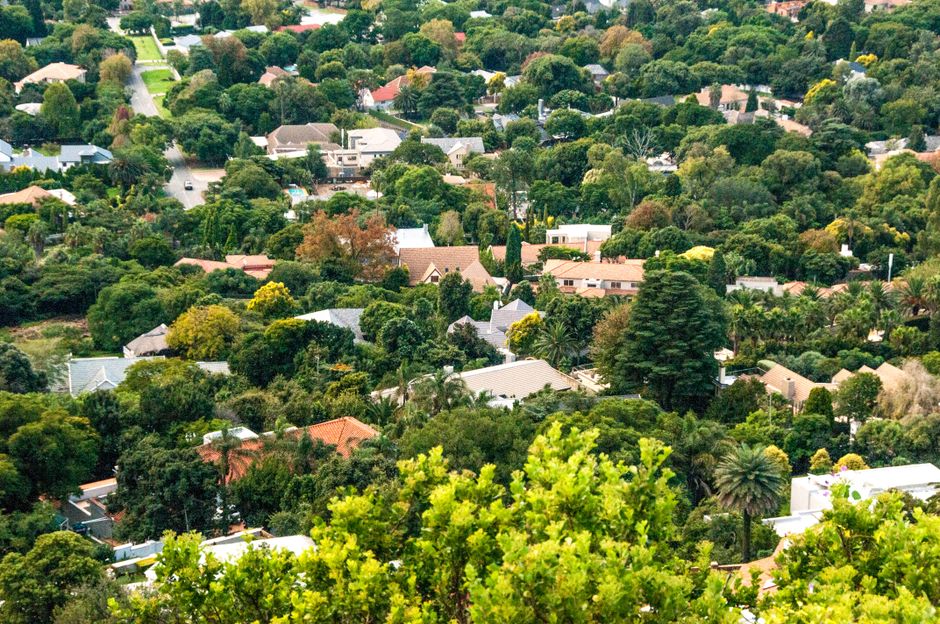
Fourways has long occupied a peculiar space in Johannesburg's property hierarchy—prosperous enough to attract institutional interest, yet perpetually overshadowed by Sandton's glittering reputation. That dynamic is shifting. A cluster of mixed-use developments now under construction or in advanced planning stages suggests the suburb is entering a pivotal reinvention phase that could fundamentally alter investor sentiment.
The Fourways Mall precinct redevelopment remains the most visible catalyst. The planned expansion and repositioning of the ageing centre into a mixed-use node combining retail, office, and residential components is already influencing property values within a 2km radius. Properties along Witkoppen Road—historically the suburb's commercial spine—are commanding renewed interest from developers and owner-occupiers alike. Average asking prices in immediate proximity have climbed toward ZAR 2.1M for sectional title units, a notable 40% appreciation since 2022.
But Fourways' evolution extends beyond the mall. Residential estate developments in the Broadacres pocket are increasingly marketed toward young professionals and investors seeking alternatives to oversaturated Sandton—where average prices now hover near ZAR 2.8M. These new complexes, emphasizing security, mixed-income density, and proximity to corporate parks along the N1, are filling a gap that Midrand's tech corridor previously monopolised alone.
What makes this moment strategically important is infrastructure timing. The proposed Gautrain feeder routes and upgrades to the Witkoppen-Fourways connector are scheduled for 2027-28 completion. Property professionals note that developments greenlit now will benefit from improved accessibility precisely as their units reach peak marketability. Early investors recognise this window—sectional title units priced between ZAR 1.4M and ZAR 1.8M are moving faster than they did 18 months ago.
The Melville comparison is instructive. That suburb's urban renewal, anchored by specific catalytic projects and improved pedestrian infrastructure, transformed its investment profile over five years. Fourways lacks Melville's artistic cachet, but it compensates with corporate proximity and demonstrable demographic demand from the financial services and IT sectors headquartered nearby.
Not everyone is bullish. Some analysts argue that Fourways' car-dependent layout and aging suburban infrastructure will limit transformational upside. Others contend that Midrand's established office parks and Sandton's persistent brand strength will contain Fourways' appreciation ceiling.
Yet the development pipeline suggests otherwise. When institutional money moves in conjunction with local infrastructure investment, suburbs historically respond. Fourways' moment may finally be arriving—and early investors are positioning accordingly.
This article was compiled by AI from the sources linked above and screened before publishing. See our editorial standards.
How does this story make you feel?
Spread the word
About this article
Published by The Daily Johannesburg
Daily brief
Free, in your inbox before 7am. Weekdays.
More in Property