Luxury Rental Squeeze: How Joburg's High-End Market is Testing Both Landlords and Tenants
Rising maintenance costs and stricter tenant vetting are reshaping the prestige rental landscape across Sandton, Fourways and beyond.
Rising maintenance costs and stricter tenant vetting are reshaping the prestige rental landscape across Sandton, Fourways and beyond.
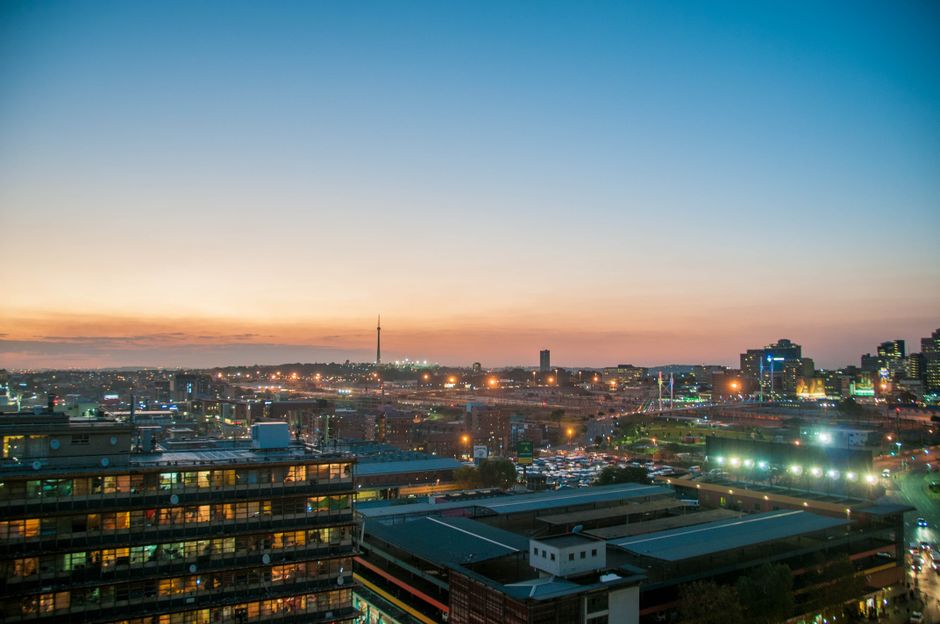
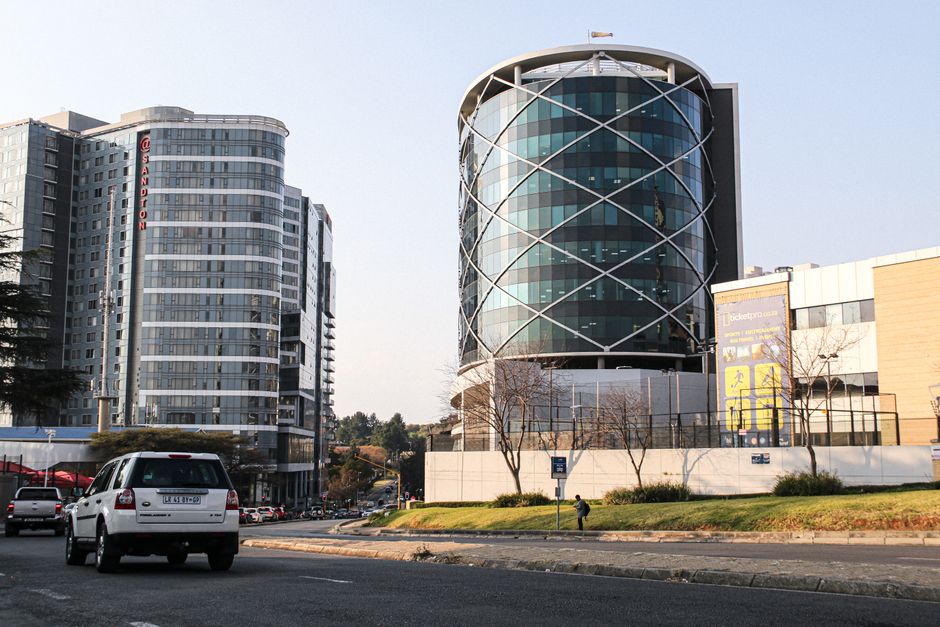
Johannesburg's luxury rental market is experiencing a quiet but significant realignment. While the city's average property price hovers around ZAR 1.5 million, the high-end sector—particularly in Sandton, Fourways, and along the sought-after streets of Melville—is grappling with pressures that favour neither landlord nor tenant.
For property owners with substantial portfolios across these premium neighbourhoods, the mathematics have shifted. Rental yields that once justified holding prestige properties as investments are being eroded by escalating municipal rates, load-shedding-driven electricity surcharges, and insurance premiums that have climbed 15–20% in the past 18 months. A Sandton villa generating ZAR 80,000 monthly rent now carries operational costs that consume nearly 35% of income—a significant jump from the 20–25% norm five years ago.
Tenant experiences tell a parallel story. International executives and high-net-worth individuals relocating to Johannesburg face rental offers with longer lease terms (three years minimum), larger deposits (often three months' rent plus a security guarantee), and increasingly stringent vetting processes. Property managers operating in the Fourways and Midrand corridor report unprecedented demand for detailed financial audits and employer verification letters. The rental barrier to entry has simply grown higher.
The sectional title market—traditionally favoured by investors seeking lower-maintenance alternatives—is absorbing much of this pressure. Developments in areas like the Rosebank and Illovo axis are seeing strong interest from both landlords downsizing from standalone homes and tenants seeking managed environments with predictable levies. Yet even here, body corporate fees are rising, further compressing landlord margins.
Melville's ongoing urban renewal has created pockets of rental demand, but gentrification is simultaneously displacing longer-term tenants priced out by rising rents—a phenomenon not lost on property practitioners navigating this market. What was once a straightforward transaction has become emotionally and logistically complex.
Some landlords are responding by offering furnished, short-let models through platforms that command premium rates but demand active management. Others are consolidating, selling to institutional investors who can absorb operational costs across larger portfolios. A few are simply holding, treating properties less as yield generators and more as appreciating assets.
For Johannesburg's luxury rental market, the question is no longer whether conditions are changing—they clearly are. Rather, it's whether landlords and tenants can find equilibrium in a landscape where inflation, infrastructure strain, and heightened risk perception have fundamentally altered the rental equation.
This article was compiled by AI from the sources linked above and screened before publishing. See our editorial standards.
How does this story make you feel?
Spread the word
About this article
Published by The Daily Johannesburg
Daily brief
Free, in your inbox before 7am. Weekdays.
More in Property