Affordable Housing Johannesburg: Inner-City Projects Reshape Market
New affordable housing developments across Johannesburg's inner-city neighbourhoods offer units from ZAR 680k, reshaping property accessibility near Gautrain and job hubs.
New affordable housing developments across Johannesburg's inner-city neighbourhoods offer units from ZAR 680k, reshaping property accessibility near Gautrain and job hubs.
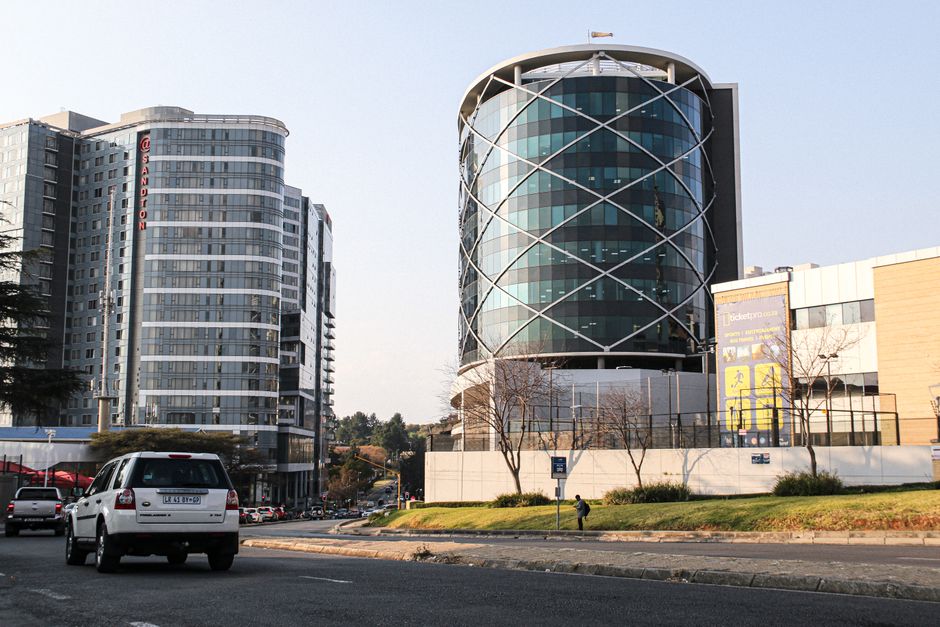
Johannesburg's property market, long dominated by premium Sandton estates and Fourways sprawl, is experiencing an unexpected shift. New affordable housing developments now underway across the city are beginning to alter the demographic and economic landscape of inner-city neighbourhoods, challenging decades of spatial inequality.
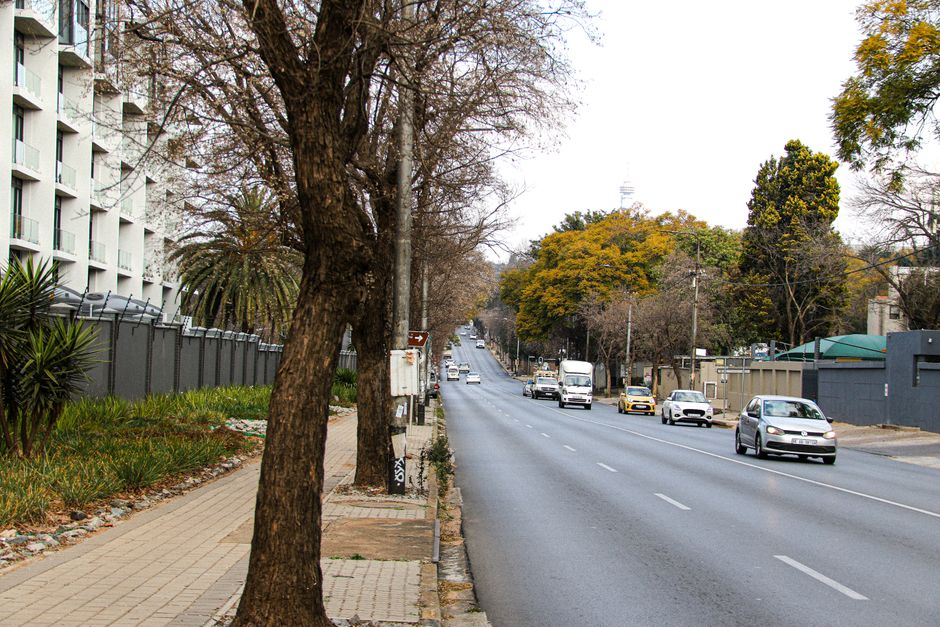
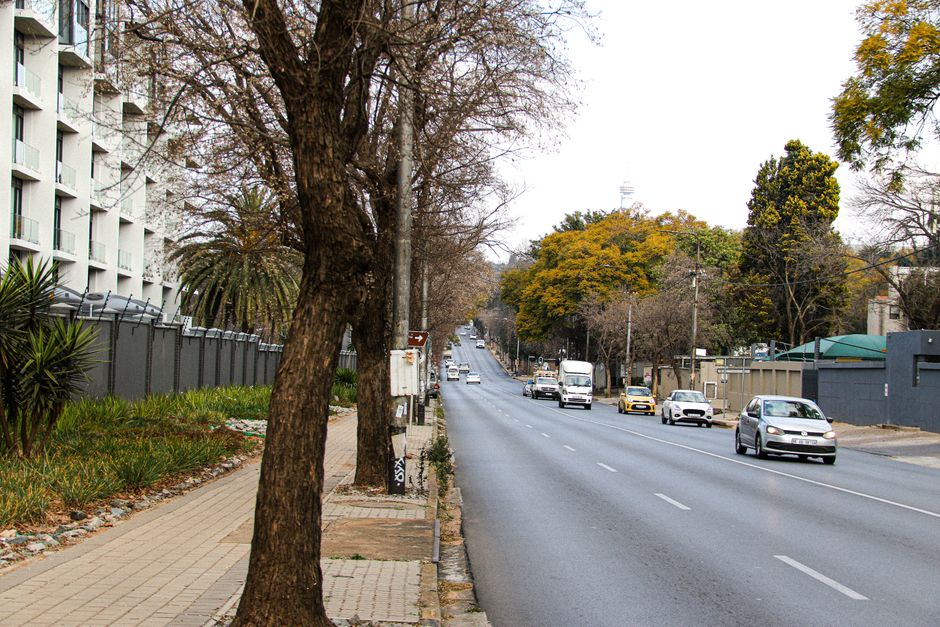
The most visible transformation is unfolding in Melville, where a mixed-income sectional title complex on 7th Street broke ground last month. The R850 million project will deliver 420 units priced between ZAR 680,000 and ZAR 1.2 million—significantly below the city's ZAR 1.5 million average. Developers argue the proximity to the Gautrain's Park Station and established retail corridors justifies the investment, despite the neighbourhood's previous reputation for purely mid-to-premium stock.
Meanwhile, in Braamfontein, a public-private partnership involving the City of Johannesburg's Housing Company has commenced construction on a 280-unit rental development near the University of the Witwatersrand campus. Units will be pitched at ZAR 4,500–6,200 monthly, targeting young professionals and students priced out of traditional lettings. The scheme marks a deliberate policy shift away from sale-focused models toward institutional rental, mirroring international best practice.
The third significant project sits in Alexandra, where a greenfield sectional title scheme aims to integrate 600 units with a proposed transport interchange near the N1. At ZAR 520,000–750,000, it targets lower-income earners currently excluded from formal property ownership. However, transport infrastructure delays threaten the project's viability—a cautionary tale underscoring how policy success hinges on coordinated urban planning.
These developments carry profound implications. Melville's project threatens to dilute the neighbourhood's premium positioning, yet promises reduced sprawl pressure on outlying areas like Midrand and Fourways. Braamfontein's rental model offers stability for transient populations while building tax bases. Alexandra's scheme, if completed as planned, could unlock generational wealth for residents long confined to informal settlements.
Yet challenges loom. The City's new housing delivery framework requires ZAR 12 billion in capital commitments over five years—funding remains inconsistent. Service delivery timelines, already sluggish across municipal departments, risk derailing schedules. Community resistance in some neighbourhoods reflects fears of rapid demographic change and reduced property values.
Industry observers note these projects represent only 1,300 units against an estimated shortfall of 780,000 households citywide. Nonetheless, they signal a policy reorientation long overdue. Whether they catalyse systemic change or remain isolated experiments will define Johannesburg's inclusivity for the next decade.
This article was compiled by AI from the sources linked above and screened before publishing. See our editorial standards.
How does this story make you feel?
Spread the word
About this article
Published by The Daily Johannesburg
Daily brief
Free, in your inbox before 7am. Weekdays.
More in Property