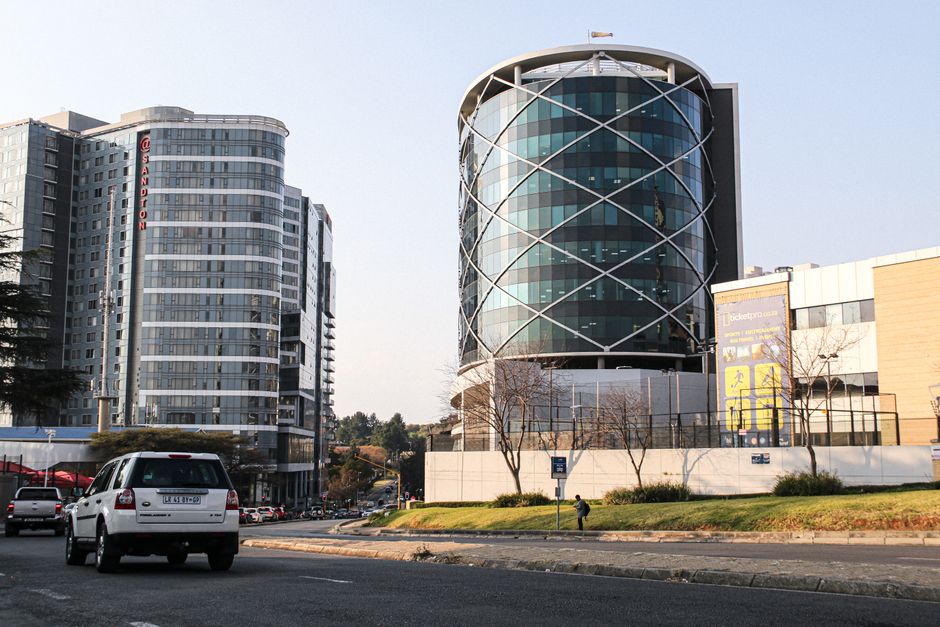
First-time buyer's guide to navigating Johannesburg's rental market vacancy squeeze
With vacancy rates climbing across key suburbs, newcomers need a sharp strategy to secure investment property in a shifting landscape.
With vacancy rates climbing across key suburbs, newcomers need a sharp strategy to secure investment property in a shifting landscape.
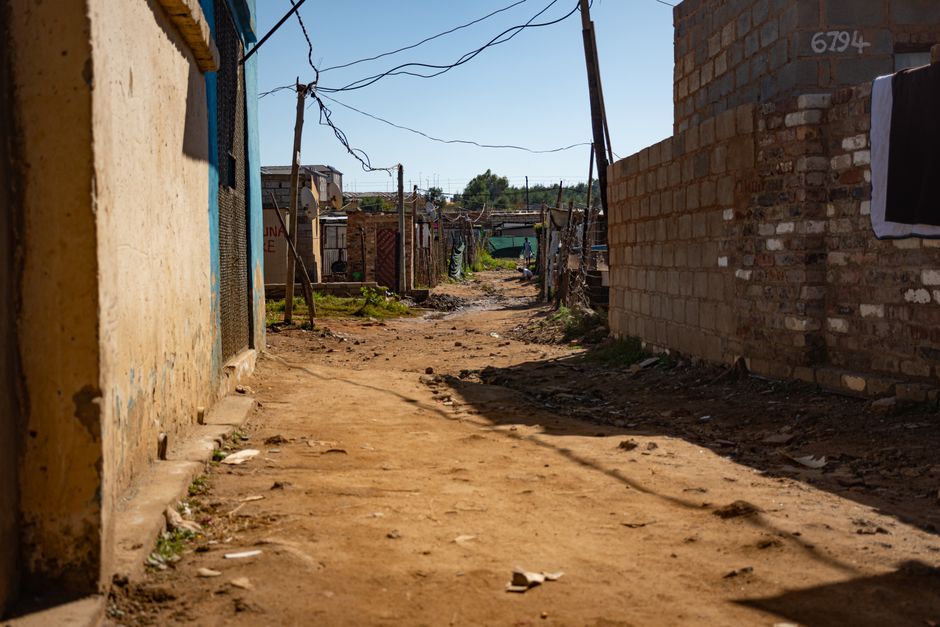
Johannesburg's rental market is sending mixed signals for first-time property investors. While headline vacancy rates have ticked upward—hovering between 8% and 12% across prime areas—the reality on the ground varies dramatically by neighbourhood, and timing your entry matters enormously.
The challenge is this: you're entering a market where landlords still hold reasonable card hands, but tenant competition is softening. Average rentals in established areas like Melville hover around ZAR 12,000–16,000 monthly for a two-bedroom apartment, while Fourways and Midrand command premiums of 20–30% higher. Yet empty units sit longer than they did two years ago, giving savvy buyers negotiating leverage they didn't have before.
For first-timers, the sectional title route—enormously popular with Johannesburg investors—remains your most accessible entry point. A modest unit in the Melville precinct or around Linden typically runs ZAR 1.8M–2.3M, well-positioned to attract young professionals priced out of Sandton's stratosphere. The rental yield? Expect 5.5–6.5% gross returns in these corridors, which is respectable if you're patient.
Where to focus your search depends on your risk tolerance. Sandton remains the safety bet—corporate tenants, stable demand, lower vacancy—but you'll pay top dollar upfront. For higher yield with manageable risk, look to emerging precincts along the Jan Smuts Avenue corridor or around the Rosebank precinct near Keyes Art Mile, where young professionals are clustering and landlord competition is fierce enough to keep rents realistic.
Fourways and Midrand deserve serious consideration if you're hunting growth. New residential developments near Montecasino and along the Midrand spine are attracting satellite professionals who'd rather not brave the Sandton commute. Vacancy is creeping up here too, but tenant quality remains strong and rental growth potential is genuine.
The Residential Tenancies Disputeation Act remains your baseline protection—understand it before signing anything. Connect with bodies like the Johannesburg Property Owners and Managers Association for guidance on screening, contracts and deposit protocols.
Key tactical moves: inspect at least five comparable units before offering, get a proper bond valuation (not just an agent's guesstimate), and factor maintenance and rates conservatively. With the market softening slightly, vendors are more flexible on pricing than they were six months ago—but you'll still need strong fundamentals: a clear investment thesis, proper financing, and realistic yield expectations.
The window to enter Joburg's rental market thoughtfully is now. In 12 months, when rates stabilise, your bargaining power evaporates.
This article was compiled by AI from the sources linked above and screened before publishing. See our editorial standards.
How does this story make you feel?
Spread the word
About this article
Published by The Daily Johannesburg
Daily brief
Free, in your inbox before 7am. Weekdays.
More in Property