Joburg's Rental Crunch: What's Pushing Prices Up—and What Tenants Must Know Now
As vacancy rates tighten across the city's prime nodes, rental costs are climbing faster than purchase prices—here's what's really driving the shift.
As vacancy rates tighten across the city's prime nodes, rental costs are climbing faster than purchase prices—here's what's really driving the shift.
Johannesburg's rental market is sending mixed signals, and savvy tenants need to decode them fast. While national property sentiment wavers, the city's rental sector is moving in a distinctly different direction: upward pressure on prices paired with shrinking vacancy rates in key precincts.
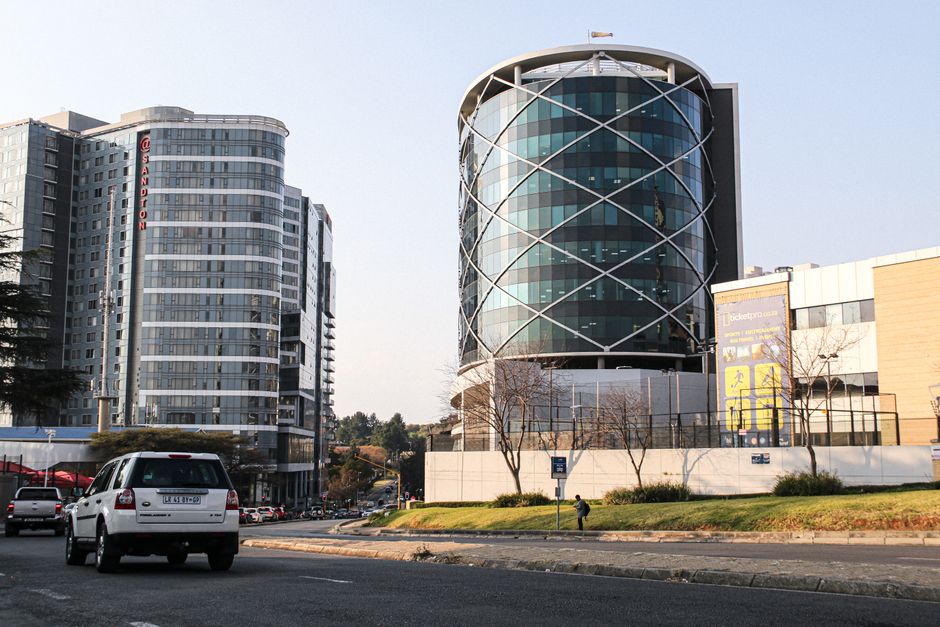
The numbers tell a compelling story. Across Johannesburg's established nodes—Sandton, Fourways, Midrand, and pockets of urban renewal like Melville—landlords are reporting vacancy rates below 8%, down from 12-15% just two years ago. This tightening is reshaping the rental landscape in ways that favour property owners but squeeze tenant budgets.
Several forces are colliding. First, corporate relocations into Johannesburg's northern corridor have accelerated. Companies expanding into Fourways and Midrand are driving demand for employee accommodation, pushing rentals for one- and two-bedroom apartments from ZAR 12,000–16,000 to ZAR 15,000–22,000 monthly. In Sandton's premium towers around Sandton Square and the emerging mixed-use precincts near the Gautrain, three-bedroom sectional titles are commanding ZAR 35,000–50,000, reflecting both scarcity and quality.
Second, sectional title rentals—traditionally popular with investors—are becoming harder to find. Investor-landlords holding onto units amid economic uncertainty have reduced supply, while tenant demand from young professionals and expat families seeking furnished, move-in-ready homes remains robust.
Third, the cost of building and maintaining rental stock has surged. Rising municipal rates, water tariffs, and security expenses have forced landlords to pass costs onto tenants. A property manager operating across the northern suburbs reports that operating expenses alone have climbed 18% year-on-year, directly feeding into rental increases.
For tenants, the message is clear: act decisively. Properties in Melville and Bryanston still offer relative affordability compared to Sandton, though gentrification is closing that gap. Long-term leases—18 to 24 months—now lock in prices more effectively than month-to-month arrangements, which increasingly include escalation clauses tied to inflation.
Equally important: verify landlord credentials. With demand high, unscrupulous operators are emerging. Work through established agencies or check property records at the Deeds Office. Understand what's included—load-shedding backup power, Wi-Fi, parking—as these can justify higher rentals or offset them elsewhere.
For buyers considering rental investment, the market remains attractive, but margins are tightening. Average Johannesburg prices hover around ZAR 1.5 million for entry-level properties, but rental yields in prime areas are compressing as prices climb faster than rents. The sweet spot remains secondary nodes like Fourways and Midrand, where capital growth and rental demand are still outpacing price appreciation.
This article was compiled by AI from the sources linked above and screened before publishing. See our editorial standards.
How does this story make you feel?
Spread the word
About this article
Published by The Daily Johannesburg
Daily brief
Free, in your inbox before 7am. Weekdays.
More in Property