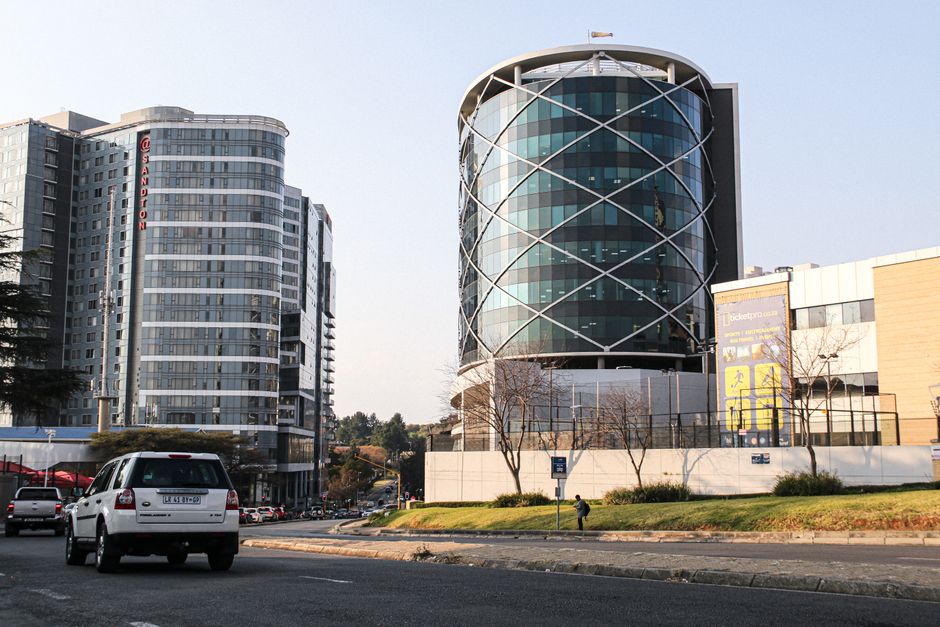
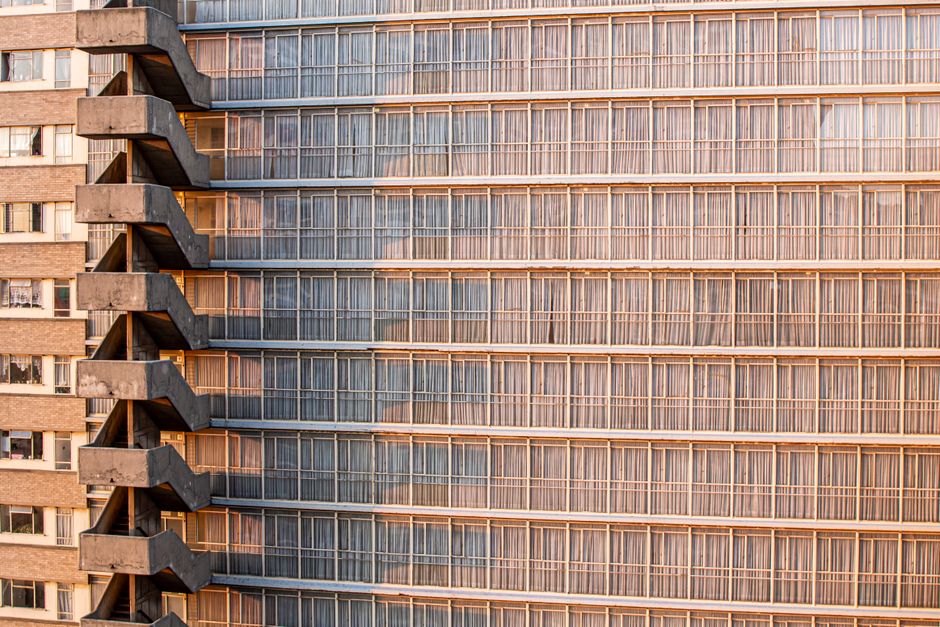
Johannesburg's City Council has quietly reshuffled zoning restrictions across the inner city, and property analysts are already pricing in the ripple effects. The updated spatial development framework, finalised in late June, permits residential densification in previously commercial-only zones stretching from Braamfontein through to parts of Hillbrow and Berea—a decision that could inject up to 12,000 additional housing units into the market over the next five years.
The policy shift carries immediate market implications. While Johannesburg's median residential price hovers around ZAR 1.5 million citywide, inner-city sectional titles—traditionally the entry point for first-time investors and workers—have become scarcer. The new framework explicitly encourages conversion of aging office blocks into mixed-tenure residential complexes, a model already proving successful in Melville's urban renewal corridor, where careful heritage controls haven't stifled development.
"What we're seeing is deliberate spatial engineering," explains the City's mayoral committee member responsible for spatial planning. The revised regulations lower minimum plot sizes for residential development and relax parking ratios—contentious moves that acknowledge Johannesburg's chronic shortage of workforce housing. Data from the Gauteng Housing Needs Assessment shows roughly 400,000 households in the greater metro earn between ZAR 8,000 and ZAR 20,000 monthly, yet formal housing stock for this cohort remains critically constrained.
Yet markets don't move on policy alone. Developer sentiment matters. Several major operators have signalled renewed interest in inner-city projects along Commissioner Street and the Newtown cultural precinct, though financing remains challenging. Commercial property investors selling land have begun factoring residential-use premiums into asking prices—a reversal of trends seen during the covid era when office vacancy spiked.
The Council has also tightened approval timelines, promising 60-day turnarounds for compliant mixed-use applications. If executed, this could meaningfully reduce development friction that has long plagued Johannesburg's housing pipeline.
Not everyone celebrates. Established sectional title schemes in areas like Berea worry about oversupply dampening values, while heritage advocates fret over rushed conversions. Meanwhile, affordability remains elusive: even new inner-city stock targets rentals around ZAR 12,000–ZAR 18,000 monthly—still beyond many workers' reach without subsidies.
The real test arrives within 18 months, when the first wave of rezoned sites breaks ground. Whether policy converts to actual, affordable homes—or merely expensive new apartments—will define whether Johannesburg's boldest planning gambit succeeds.
This article was compiled by AI from the sources linked above and screened before publishing. See our editorial standards.