What the Numbers Really Show: Johannesburg Investor Yields in a Shifting Market
Rental returns in Joburg remain competitive globally, but where landlords are actually making money—and where they're not—tells a more nuanced story.
Rental returns in Joburg remain competitive globally, but where landlords are actually making money—and where they're not—tells a more nuanced story.
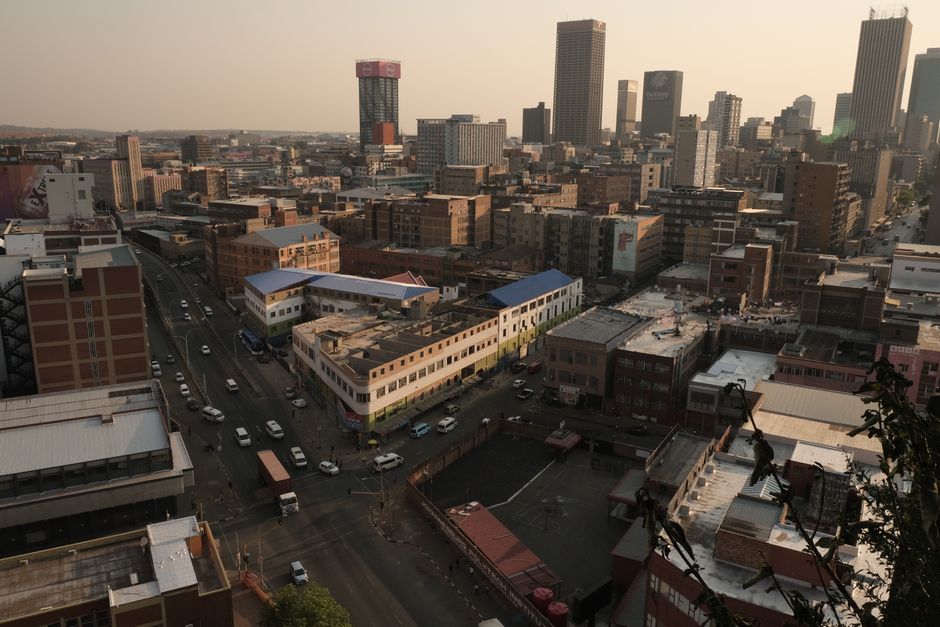
Johannesburg's rental yield picture has sharpened considerably over the past 18 months, and for property investors, the data is both encouraging and sobering. While the city's average property price hovers around ZAR 1.5 million, actual returns vary dramatically depending on location, property type, and tenant profile.
Sectional title units in established nodes like the Sandton precinct and northern suburbs are delivering between 4.5% and 5.8% gross yields, according to recent activity tracked by major residential portals. A typical two-bedroom apartment in a secure complex near Sandton City might rent for ZAR 18,000 to ZAR 22,000 monthly, translating to solid returns on purchase prices between ZAR 3.2 million and ZAR 4.1 million. However, net yields—after accounting for levies, insurance, vacancy periods, and maintenance—typically compress to 3.2% to 4.1%, a reality many first-time investors underestimate.
The Fourways and Midrand corridor tells a different story. Emerging rental demand from young professionals and relocating families has pushed gross yields to 5.9% to 6.8% on properties priced ZAR 1.8 million to ZAR 2.6 million. A three-bedroom townhouse here might command ZAR 16,500 to ZAR 19,500 monthly rent, with lower levies than inner-city alternatives offsetting some vacancy risk in a tighter micro-market.
Melville's urban renewal narrative has attracted investor interest, but yields remain compressed at 4.2% to 5.1% gross, driven partly by gentrification and rising acquisition costs. Heritage properties along 7th Street and Judith Road appeal to a niche demographic, offering lifestyle appeal over raw numbers.
The data reveals three critical success factors. First, tenant quality matters exponentially—professional tenants in corporate nodes near the Sandton business district show 96% payment compliance, versus 78% in mixed-income areas. Second, property condition directly impacts vacancy rates; units requiring significant capex sit empty 15% to 20% longer than turnkey offerings. Third, micro-location precision trumps neighbourhood reputation—a sectional title on Grayston Drive outperforms one 2km away by up to 1.2 percentage points.
Current headwinds include rand volatility affecting foreign investor confidence and rising municipal rates, which consume an additional 0.6% to 0.9% of gross returns annually. Yet global comparisons remain favourable: Johannesburg's 5% to 6% net yields on well-selected units still outpace London, Toronto, and Sydney markets.
Smart investors are shifting focus from trophy addresses toward yield-generating micro-markets where tenant demand is structural rather than cyclical. The numbers increasingly reward discipline over glamour.
This article was compiled by AI from the sources linked above and screened before publishing. See our editorial standards.
How does this story make you feel?
Spread the word
About this article
Published by The Daily Johannesburg
Daily brief
Free, in your inbox before 7am. Weekdays.
More in Property