What Joburg's auction results and price data are signalling about new construction approvals
Sluggish sectional title sales and rising developer holdbacks suggest the city's approval pipeline faces a reality check.
Sluggish sectional title sales and rising developer holdbacks suggest the city's approval pipeline faces a reality check.
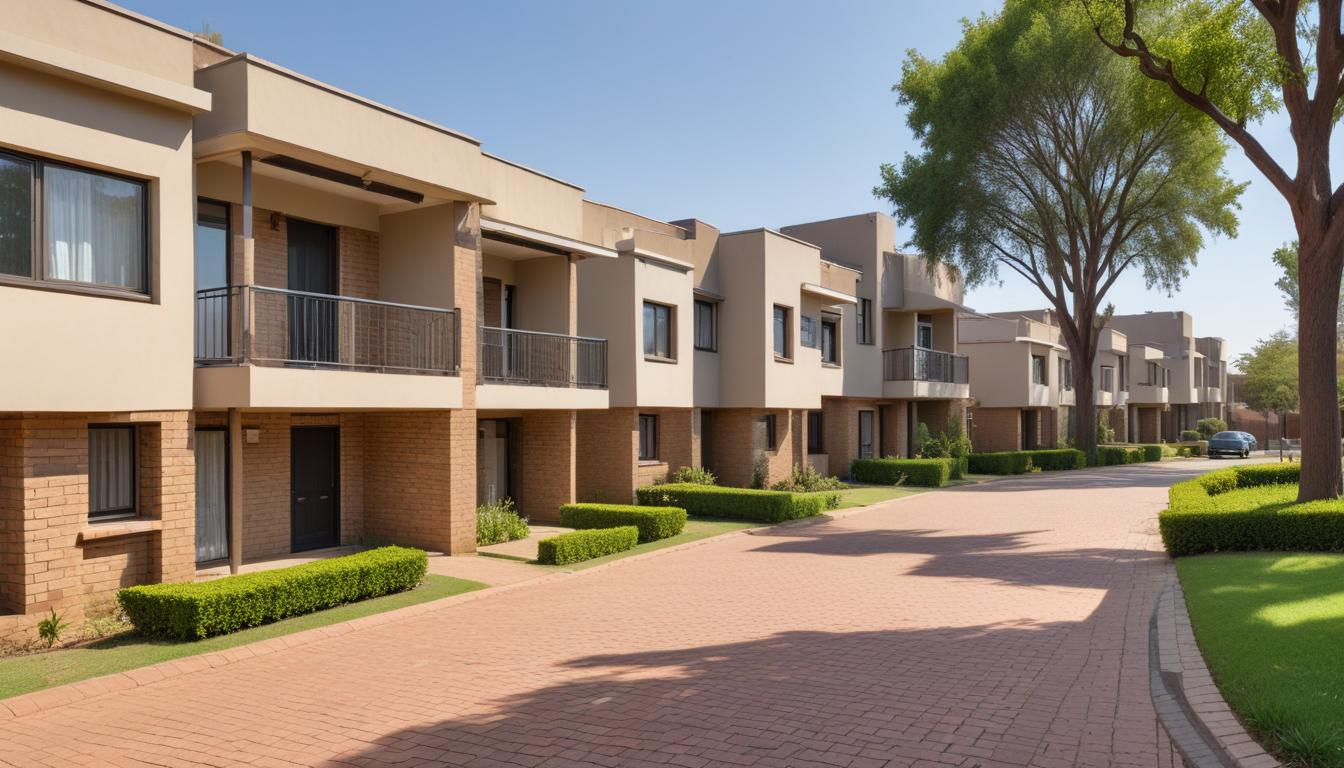
Johannesburg's property auction landscape is sending mixed signals about the viability of new residential developments—and developers are listening. Recent months have seen a marked slowdown in off-the-plan sectional title sales, particularly in growth nodes like Fourways and Midrand, even as construction approvals remain robust on paper. Industry data suggests the gap between what gets approved and what gets built profitably is widening.
The average sectional title unit in established precincts like Melville now hovers around ZAR 2.1 million, up modestly from ZAR 1.8 million two years ago. Yet auction clearance rates for new developer stock have dipped below 65% in recent sales events—a significant warning flag. When Johannesburg Property Auctioneers conducted a municipal showcase of approved mixed-use developments along the Rivonia Road corridor in May, nearly 30% of advertised sectional units failed to reach reserve price.
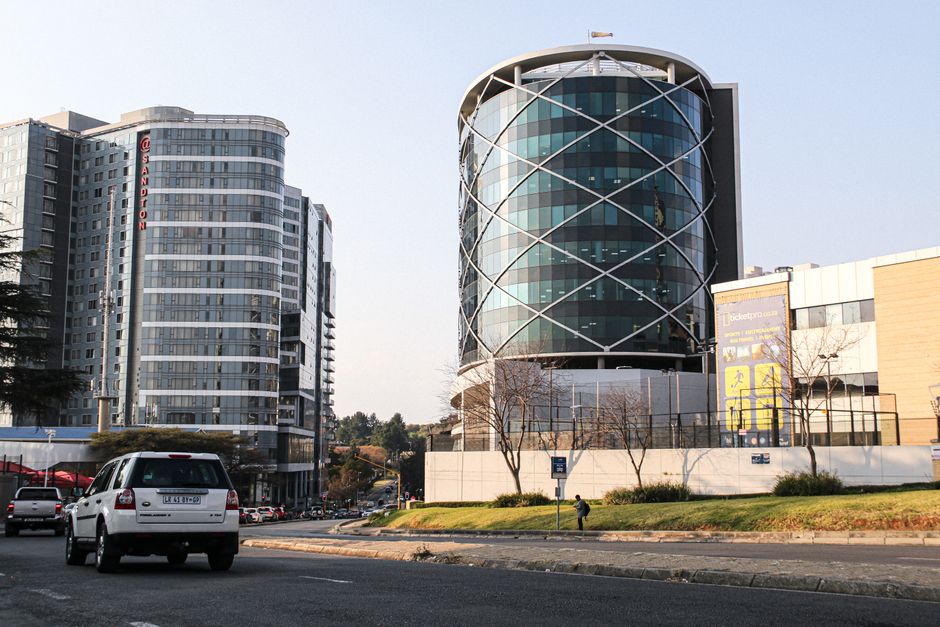
This divergence matters because it reveals what seasoned investors and developers already know: approvals granted by the City of Johannesburg do not guarantee market appetite. The Municipal Planning Tribunal has fast-tracked applications in Sandton's office-to-residential conversion zones and along the M1 near Midrand, yet forward sales remain sluggish. Developers report that buyer confidence is conditional on location granularity—proximity to shopping, schools, and transport—rather than zoning alone.
Price data from the Johannesburg Bond Market tells a complementary story. The average bond amount for new sectional title purchases dropped 8% year-on-year, while average loan-to-value ratios tightened. Buyers are either investing less per unit or waiting longer, suggesting a recalibration in what developments can command at launch.
The signal is clear: Johannesburg's construction approval pipeline is healthy in volume but fragile in execution. Developers approved for high-density schemes in Melville's urban renewal zones are managing phased releases strategically, releasing fewer units quarterly to avoid auction saturation. In Fourways, where land values spiked following infrastructure upgrades, several approved township applications have been held back pending market stabilisation.
For the City and prospective investors, the lesson is uncomfortable but instructive: an approval is not a sale. The ZAR 1.5 million average price point across greater Joburg masks deep neighbourhood disparities, and auctions are now ruthlessly efficient at pricing in execution risk. As more data emerges from mid-year bond registrations and auction results, expect developers to recalibrate density assumptions and pricing strategies. The approvals machine will keep turning, but the market's patience with overbuilt, mispriced developments is finite.
This article was compiled by AI from the sources linked above and screened before publishing. See our editorial standards.
How does this story make you feel?
Spread the word
About this article
Published by The Daily Johannesburg
Daily brief
Free, in your inbox before 7am. Weekdays.
More in Property