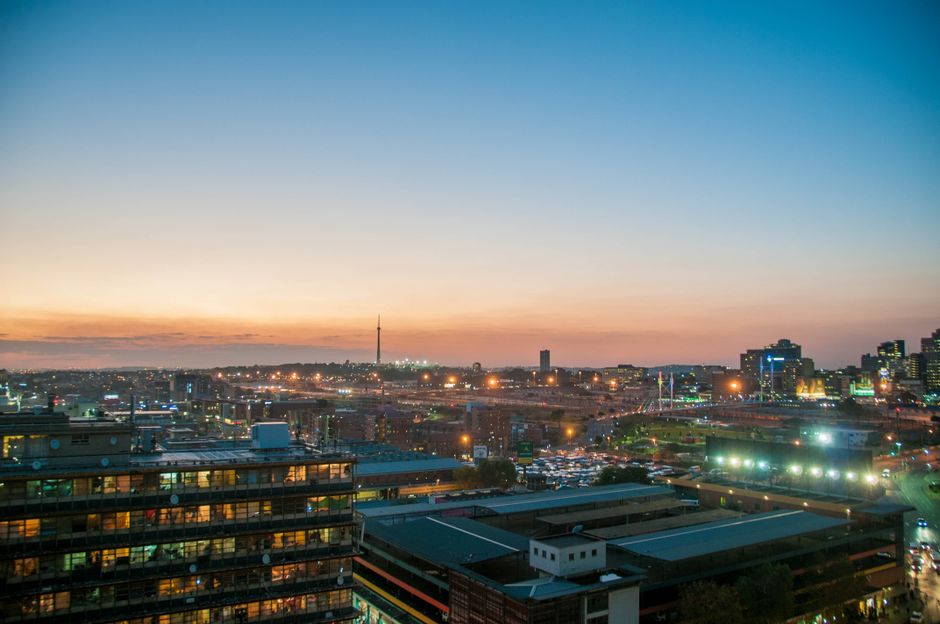
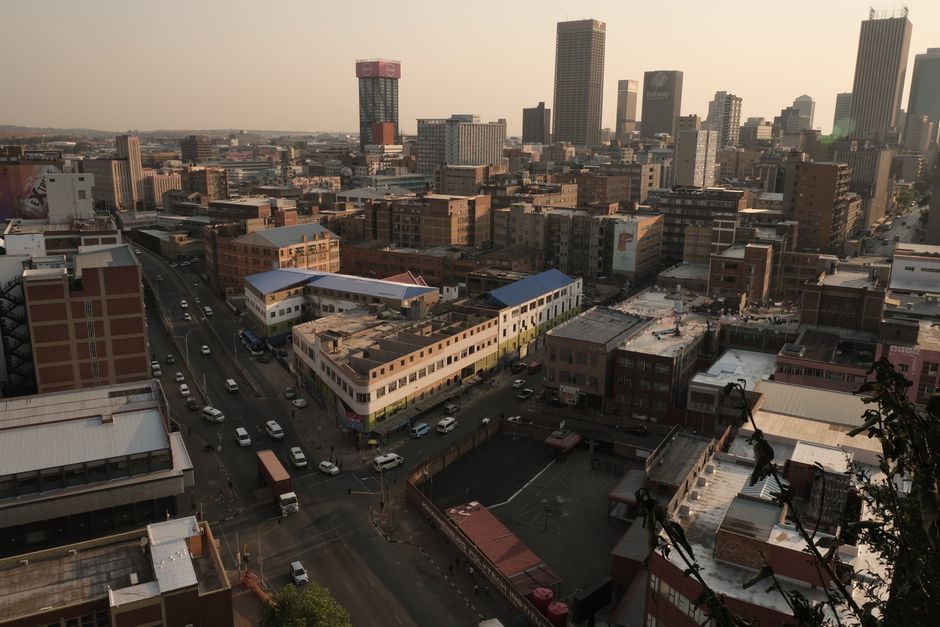
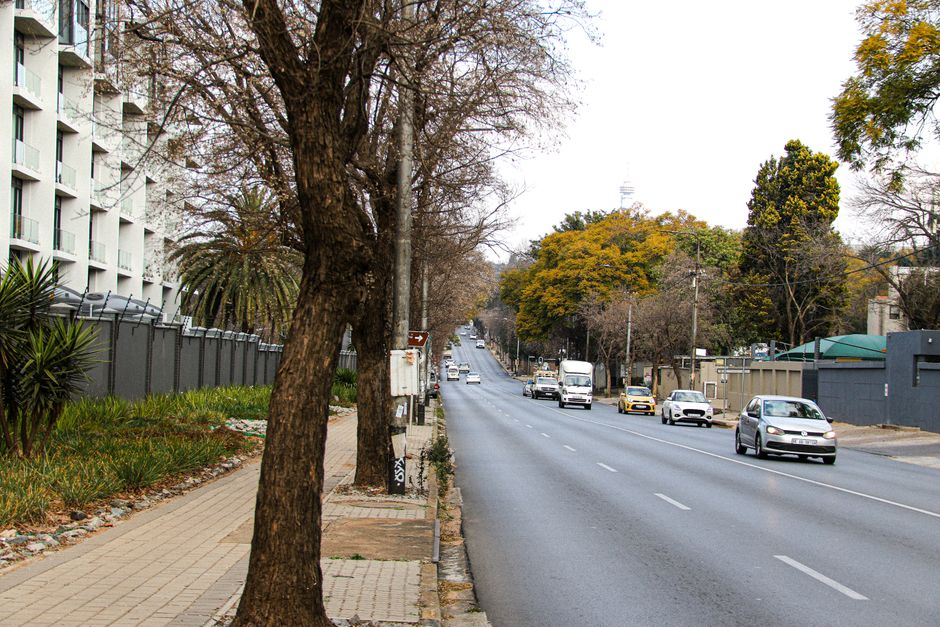
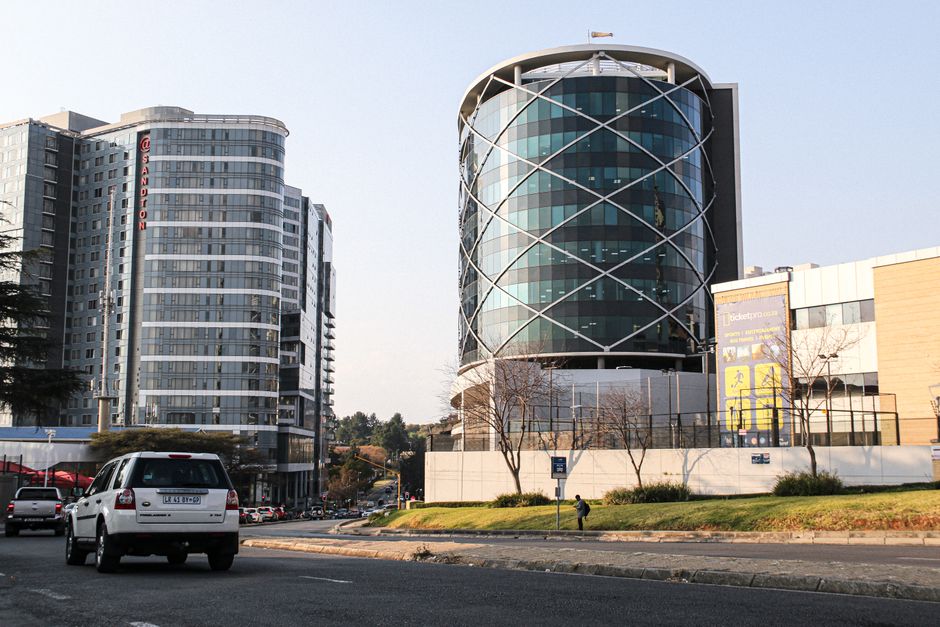
Parkhurst is quietly becoming Johannesburg's most compelling investment opportunity, with property values climbing steadily and developer interest reaching levels not seen in the suburb for over a decade. While Sandton remains the premium choice and Fourways continues attracting mass-market buyers, Parkhurst's combination of established character, accessibility, and urban renewal momentum is reshaping investor sentiment across the property market.
The numbers tell a compelling story. Sectional title units in the suburb's tree-lined streets—particularly along Northcliff Drive and around the revitalised commercial precinct near Jan Smuts Avenue—have appreciated approximately 12-15% annually over the past three years, outpacing the broader Johannesburg average of 8-10%. Entry-level two-bedroom apartments now trade between ZAR 2.1M and ZAR 2.8M, while premium three-bedroom units command ZAR 3.5M to ZAR 4.2M. These price points sit strategically between central Melville's creative-class appeal and Sandton's stratospheric valuations.
What's driving the momentum? Infrastructure and placemaking investments are reshaping perceptions. The upgraded streetscapes along Parkhurst Road, coupled with the growth of independent retail and hospitality venues, have transformed the suburb from a quiet residential zone into a genuine lifestyle destination. The proximity to both the Sandton CBD corridor and emerging tech hubs in Midrand adds professional appeal, while excellent schools and proximity to the Johannesburg Zoo make it family-friendly.
Property professionals attribute much of the interest to sectional title accessibility. Unlike sprawling estates in Fourways or penthouses in high-rise Sandton buildings, Parkhurst's smaller-scale residential complexes and converted townhouses offer investors entry points at more manageable price brackets—critical as interest rates remain elevated and buyer power remains constrained.
The suburb's bones matter too. Established tree coverage, relatively lower crime rates than inner-city alternatives, and walkable streets featuring independent coffee shops and galleries have attracted younger professionals and downsizing empty-nesters alike. The Wednesday markets and weekend retail culture create community anchors that appeal to quality-focused investors rather than purely speculative buyers.
Rental yields in Parkhurst currently hover around 5.5-6.2% for well-positioned units—respectable in today's market—while capital appreciation remains the primary driver. Local estate agents report that 70% of recent sectional title transactions involve investor-owners or owner-occupiers planning medium to long-term holds rather than quick flips.
As Johannesburg's property market matures, suburbs offering the sweet spot between established credentials, infrastructure momentum, and realistic entry pricing increasingly attract serious capital. Parkhurst's trajectory suggests this tree-lined neighbourhood has finally come of age as an investment-grade destination.
This article was compiled by AI from the sources linked above and screened before publishing. See our editorial standards.