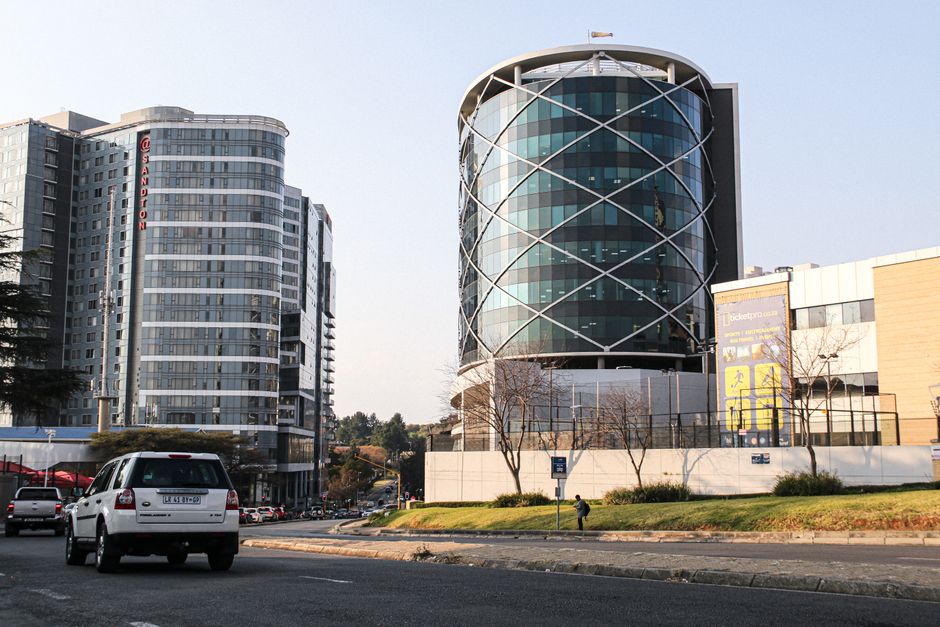
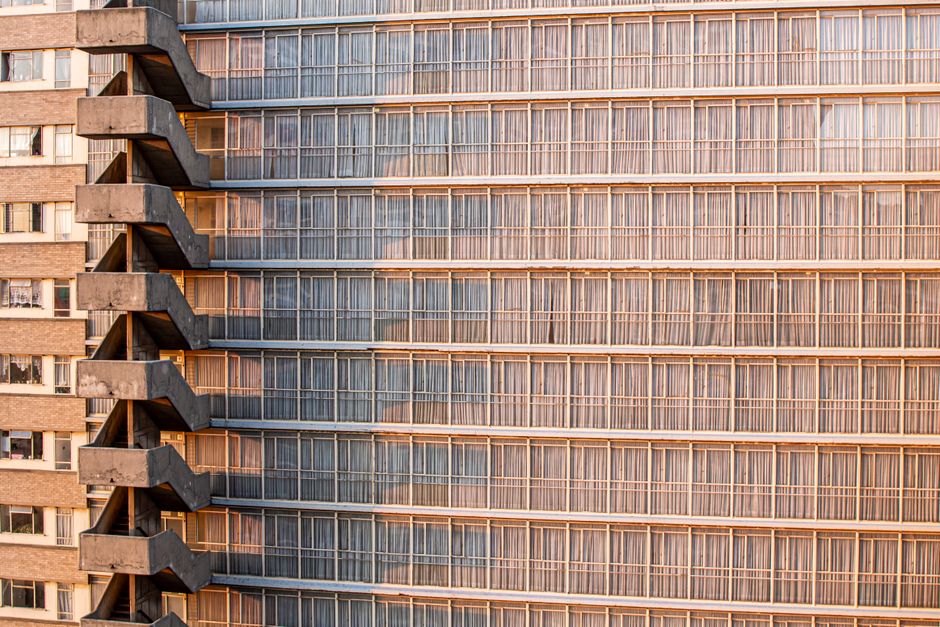
Johannesburg's property landscape is undergoing a transformation that extends far beyond individual transactions. Across the city's growth corridors, substantial development projects are reshaping not just skylines, but the economic character of entire neighbourhoods—forcing a reckoning between urban renewal and affordability.
The Fourways corridor has emerged as the clearest example. Several mixed-use developments currently under construction along Witkoppen Road and adjacent precincts are converting underutilised industrial and vacant land into residential-commercial hubs. These projects typically introduce apartment stock priced between ZAR 1.8m and ZAR 3.2m—substantially above Joburg's current average of ZAR 1.5m. Early indicators suggest developers are betting on capital growth rather than affordability, positioning units as investment vehicles rather than entry-level ownership.
The ripple effect is immediate and measurable. Properties adjacent to announced developments have experienced 8-12% annual appreciation over the past 18 months, according to recent estate agent feedback. For existing homeowners in Midrand and surrounding areas, this appreciation is welcome. For first-time buyers and young professionals, the calculus is less favourable. The influx of new supply at premium price points can paradoxically reduce affordability by anchoring neighbourhood valuations upward.
Melville's ongoing urban renewal presents a contrasting narrative. Here, sectional title apartment complexes and townhouse developments are filling gaps along 7th Street and the surrounding grid, often targeting the mid-market segment between ZAR 1.2m and ZAR 1.8m. These projects have attracted investor interest precisely because they occupy an underserved price band—younger professionals and small investors seeking Joburg exposure without Sandton's premium tax.
The broader pattern reveals a market bifurcating. While Sandton remains insulated at its traditional premium levels, secondary growth nodes are experiencing rapid densification driven by developer capital chasing yields. The question for Johannesburg's urban planners and residents is whether this development trajectory serves the city's broader housing needs or simply creates new affordability pockets while displacing pressure elsewhere.
What's clear: the era of vacant land remaining dormant in established suburbs is ending. The question is whether the developments filling that space will create genuine housing diversity or merely restructure the city's existing inequality across new boundaries. The next 12-18 months will prove decisive as these projects reach practical completion and their true market impact becomes visible.
This article was compiled by AI from the sources linked above and screened before publishing. See our editorial standards.