What Joburg's auction room silence is really telling tenants about the rental market
Rising vacancy rates and cooling sectional title sales point to a shifting landlord-tenant landscape—here's what the data means for renters hunting their next home.
Rising vacancy rates and cooling sectional title sales point to a shifting landlord-tenant landscape—here's what the data means for renters hunting their next home.
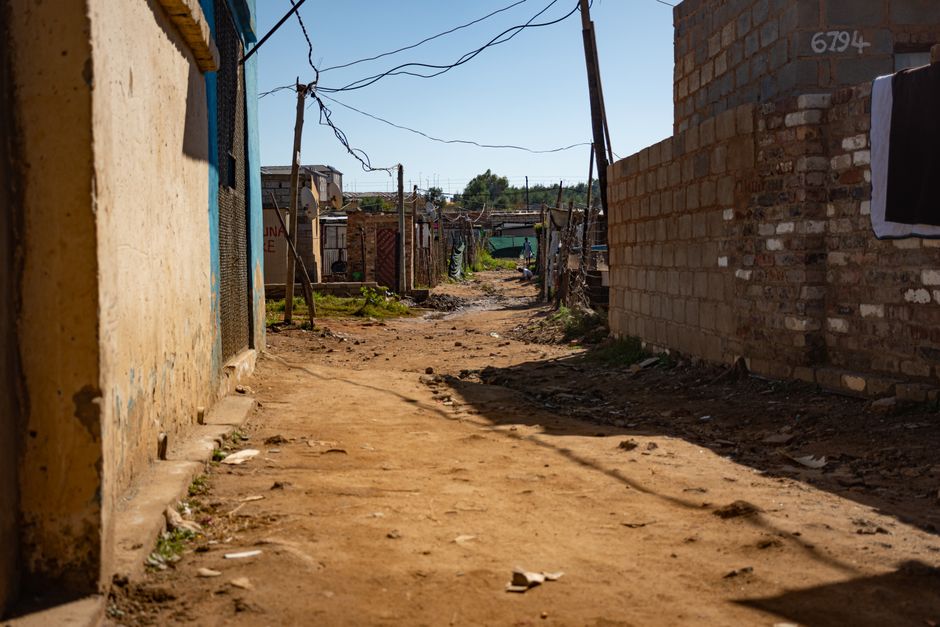
Johannesburg's rental market is sending mixed signals, and the auction blocks aren't lying. Over the past eighteen months, sectional title sales—the backbone of Joburg's buy-to-let investment sector—have cooled noticeably. Fewer investors bidding aggressively at auctions typically signals one thing: softer rental yields and rising tenant supply.
The numbers bear this out. While the broader residential market hovers around ZAR 1.5 million average, sectional title units in traditionally hot rental zones like Melville, Braamfontein, and around the Sandton CBD have lingered longer on books. Recent auction results show reduced competition for two- and three-bedroom units that once shifted within weeks. Properties on streets like 4th Avenue in Melville—long a favoured investor corridor—are now sitting vacant for extended periods between tenants.
What's driving the shift? Vacancy rates in prime rental precincts have crept upward to between 8 and 12 percent, depending on the neighbourhood. Fourways and Midrand, traditionally stronger performers, are experiencing similar pressures as supply outpaces demand. When fewer investors are chasing stock at auction, it's because rental cashflows are tightening, and landlords are becoming more selective about purchase prices.
For tenants, this is the silver lining. A softer auction market typically precedes negotiating room on rentals. If landlords aren't banking on rapid capital appreciation, they're more motivated to fill vacancies quickly—meaning lower rental growth, better lease terms, and reduced turnover friction. Property managers in the Joburg market are already reporting longer negotiation windows with prospective tenants, a reversal from the landlord-friendly conditions of 2023 and early 2024.
The Property Owners' Association and major letting agencies tracking activity along the Rivonia corridor and in estates like Sunninghill have noted that three-month vacancy windows are now common—a stark contrast to previous turnover patterns of 2 to 3 weeks.
However, premium segments remain resilient. Sandton's ultra-luxury rental stock and newly developed sectional titles in high-rise precincts continue commanding strong rents and quick uptake. The divergence matters: tenants seeking affordable rental entry points in mixed-use precincts benefit most from cooling auction data, while those chasing prestige addresses will feel little relief.
The key signal from silent auction rooms is clear—landlord confidence is conditional, and tenant choice is expanding. For renters ready to negotiate, market momentum has shifted decisively in their favour.
This article was compiled by AI from the sources linked above and screened before publishing. See our editorial standards.
How does this story make you feel?
Spread the word
About this article
Published by The Daily Johannesburg
Daily brief
Free, in your inbox before 7am. Weekdays.
More in Property