What Johannesburg's Property Yields Are Actually Telling Investors Right Now
As sectional title stock dominates portfolios, rental returns in Sandton and Fourways reveal a market split between premium stability and growth-play volatility.
As sectional title stock dominates portfolios, rental returns in Sandton and Fourways reveal a market split between premium stability and growth-play volatility.
The Johannesburg property market is sending mixed signals to investors, and the numbers paint a story far more nuanced than headline prices suggest. While the city's average property value hovers around ZAR 1.5 million, what matters most to portfolio holders isn't the purchase price—it's what that asset actually returns each month.
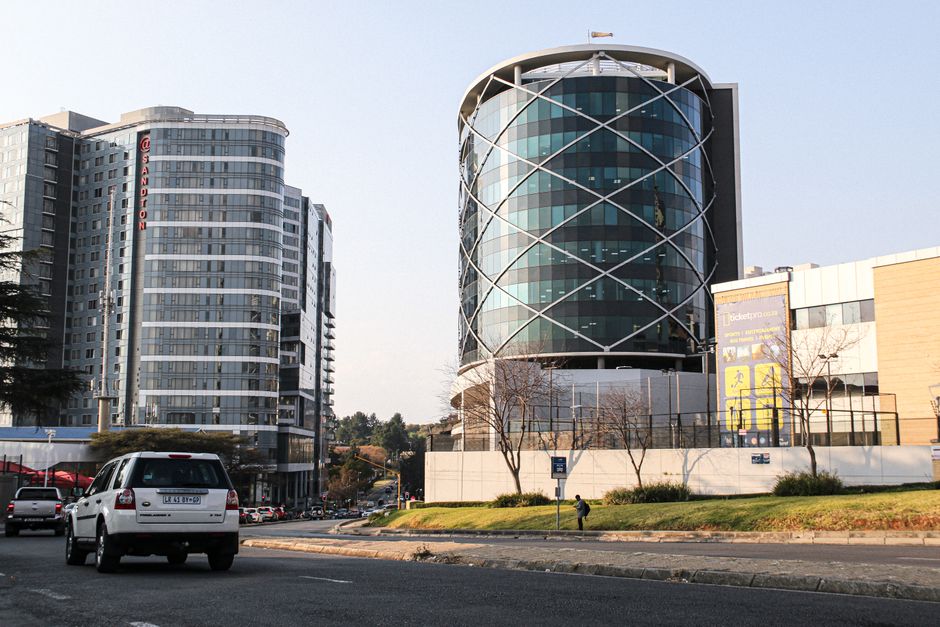
Recent market analysis reveals a tale of two cities. In Sandton's established precincts, where penthouses and luxury apartments command ZAR 4 million to ZAR 8 million, rental yields hover between 4% and 5.5% annually. These are stable, institutional-grade returns attracting both local and international capital to properties clustered around the Sandton Convention Centre and along West Street. The premium positioning ensures consistent tenant quality and minimal vacancy periods, though capital appreciation has plateaued.
The real action, however, is playing out in Fourways and Midrand, where sectional title developments have become the engine of investor returns. A two-bedroom apartment in newer complexes here—typically ZAR 1.2 million to ZAR 1.8 million—is generating yields of 6% to 7.2%. That's the spread that's driving the current wave of small investor activity. Young professionals and retirement fund managers are piling into these properties, banking on both rental income and capital growth as the northern suburbs continue their inevitable march toward Johannesburg's economic centre of gravity.
Melville presents an intriguing wildcard. Urban renewal initiatives have sparked investor interest in the area's character-loaded housing stock, with properties along 7th Street and the quieter avenues fetching ZAR 2.2 million to ZAR 3.5 million. Early movers are reporting yields between 5.8% and 6.4%, driven by a young, stable rental demographic hungry for authenticity over sterile apartment living.
But here's what the data actually warns: the gap between premium and growth zones is narrowing, which typically precedes market correction. Properties bought two years ago in Fourways for ZAR 1.4 million are now valued at ZAR 1.65 million—solid appreciation, but hardly spectacular when you factor in holding costs and transfer fees. Sandton, meanwhile, has seen almost zero capital movement, making yield-chasing the primary investment thesis.
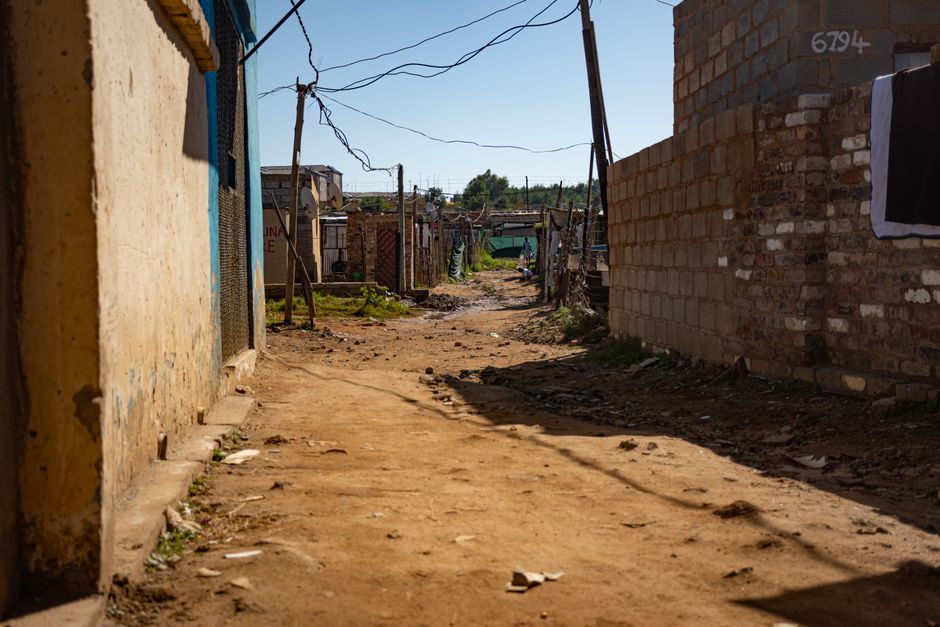
The sectional title boom masks a broader affordability crisis. Average young buyers cannot access entry-level freehold property without moving to the far periphery. This structural squeeze is actually benefiting institutional investors, who now view Johannesburg's rental market less as a legacy investment and more as a yield-farming opportunity.
For serious investors, the message is clear: yields in Johannesburg aren't rewarding market timing anymore. They're rewarding patience and geographic selection.
This article was compiled by AI from the sources linked above and screened before publishing. See our editorial standards.
How does this story make you feel?
Spread the word
About this article
Published by The Daily Johannesburg
Daily brief
Free, in your inbox before 7am. Weekdays.
More in Property