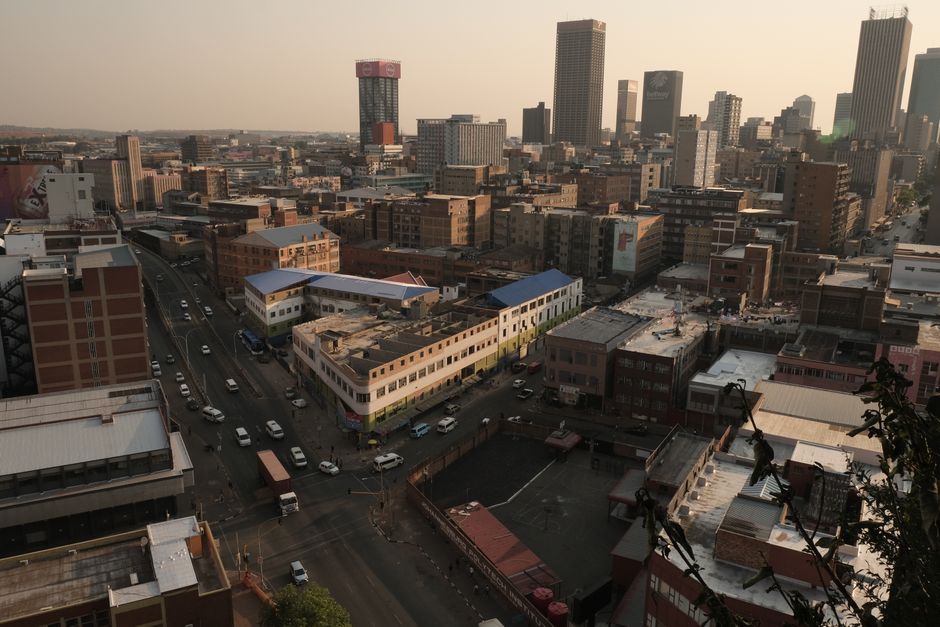
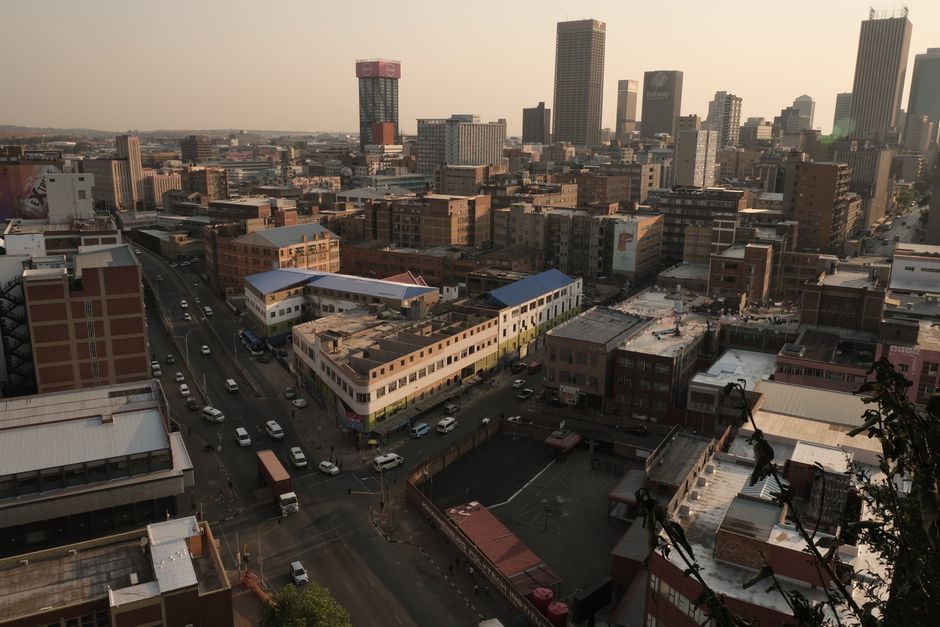
Johannesburg's property development pipeline is tightening investor returns as municipal approvals accelerate and construction momentum builds across key growth corridors. New figures tracking residential and mixed-use projects suggest yields are climbing faster than anticipated, rewarding early commitments in established nodes and emerging precincts alike.
The shift is most pronounced in Fourways and Midrand, where sectional title developments targeting young professionals and downsizers have recorded completion rates outpacing pre-2025 trends. Projects along Republic Road and adjacent to the Fourways Mall precinct are delivering unit sales within 18–24 months, substantially faster than the three-year average seen five years ago. Investors report gross yields ranging from 7–9% on rental returns, a notable uplift from the 5–6% baseline that characterised the sector during the pandemic recovery phase.
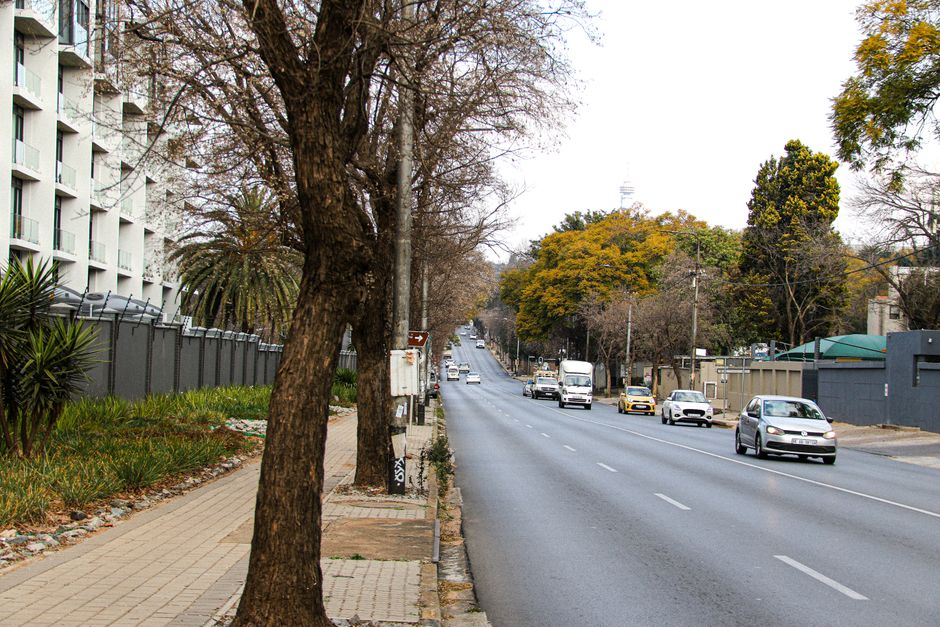
Melville's ongoing urban renewal initiative has similarly attracted both institutional and private capital. Conversion approvals for heritage properties into mixed-use complexes—combining retail, office, and residential—have accelerated following streamlined zoning amendments by the City of Johannesburg. Developers working on Oxford Road and surrounding streets cite faster municipal turnarounds, with some projects moving from approval to breaking ground in under eight months, compared with the 14–18 month cycle that prevailed previously.
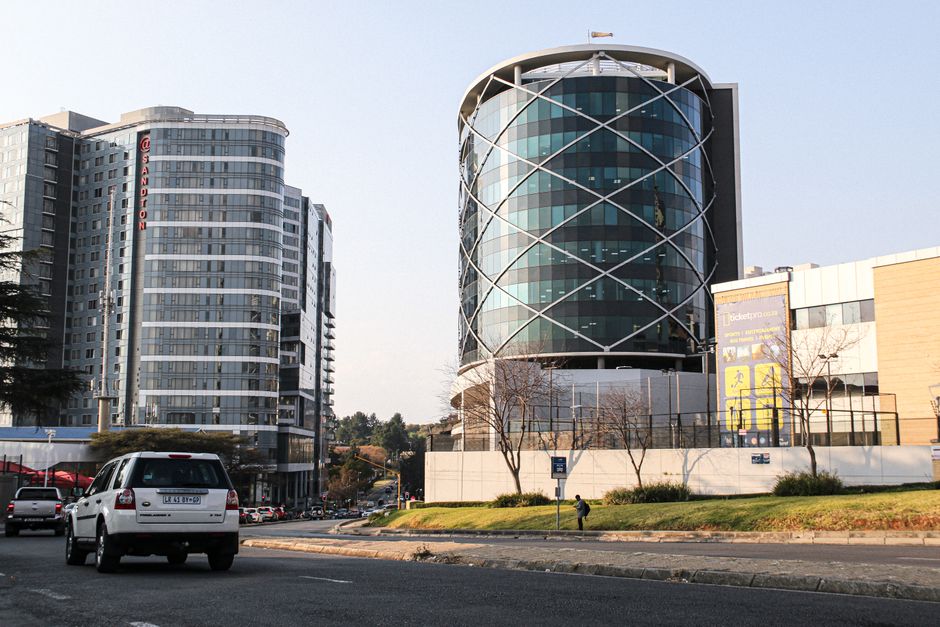
Sandton's premium segment remains selective but active. New luxury apartment developments near the Johannesburg Stock Exchange and Sandton Convention Centre are attracting offshore capital, with launch prices stabilising around ZAR 35,000–45,000 per square metre for high-specification units. Early adopters in comparable 2023–2024 launches have seen appreciation of 12–15%, reinforcing investor appetite despite the higher entry point.
The broader picture reflects a recalibration in risk appetite. Municipal approval timelines—historically a bottleneck—have improved markedly. Building control departments report processing standard residential applications within 60–90 days, compared with six months two years ago. This efficiency is translating directly into reduced development holding costs and improved project economics.
Industry observers caution that returns remain geographically dependent. While Fourways and Midrand command investor interest due to employment proximity and affordability relative to Sandton, sectional title developments in secondary nodes beyond the M1 corridor continue to struggle with absorption. The Johannesburg average of ZAR 1.5M for residential property masks a widening gap between investment hotspots and peripheral markets.
For investors monitoring the recovery, the numbers suggest the window for entry into approved, shovel-ready projects is narrowing—a sign that confidence in Joburg's property fundamentals is genuinely recovering.
This article was compiled by AI from the sources linked above and screened before publishing. See our editorial standards.