Sandton's New Zoning Rules Reshape the Luxury Market – Here's Who Wins
Johannesburg's revised urban planning framework is already shifting mega-property valuations and investor strategy in the city's most exclusive postcodes.
Johannesburg's revised urban planning framework is already shifting mega-property valuations and investor strategy in the city's most exclusive postcodes.
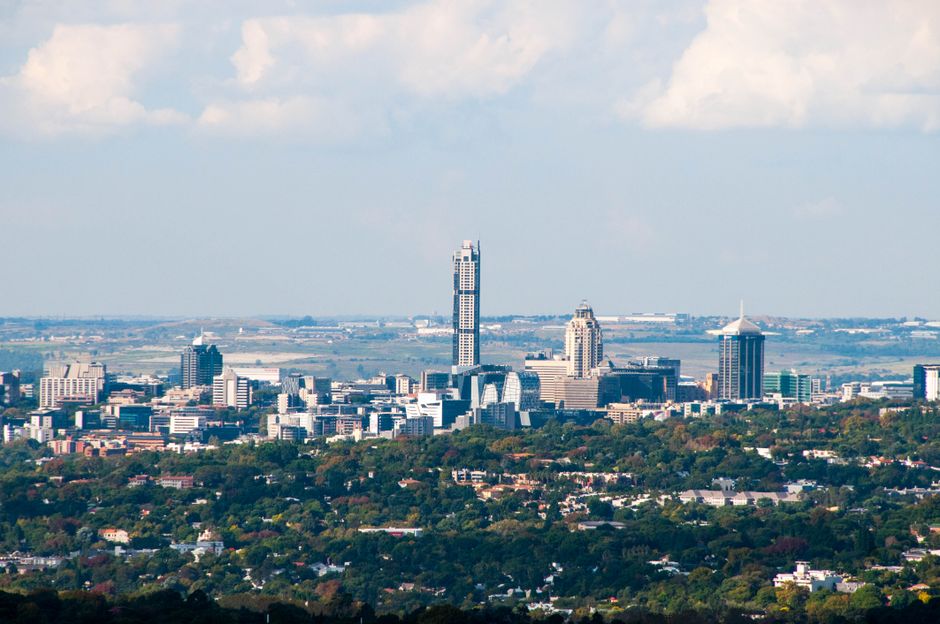
The Johannesburg Metropolitan Municipality's updated spatial development framework, gazetted in March this year, has triggered a seismic shift in how luxury property trades hands in Sandton, Fourways and other premium zones. Early data suggests the policy recalibration—which loosens restrictions on mixed-use developments in traditionally residential ultra-high-net-worth areas—is already reshaping investment patterns and reshaping expectations around properties valued at ZAR 5M and above.
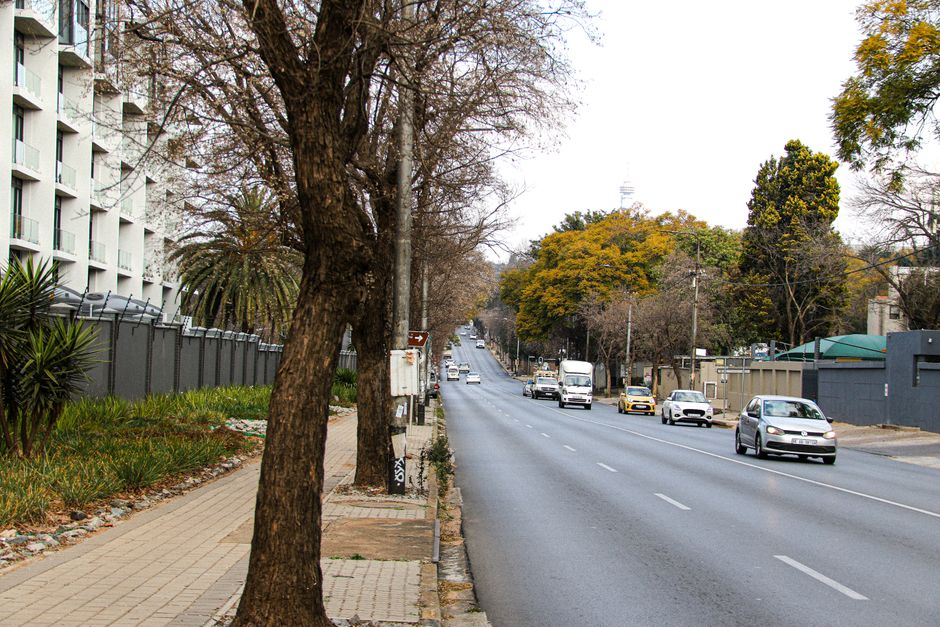
The most visible impact has emerged along Grayston Drive and the western Sandton corridor, where new zoning allowances now permit limited commercial and hospitality integration within established residential precincts. Previously, such ventures required lengthy rezoning applications. The change has already catalysed interest in corner properties and those bordering major arterials—locations that spent years in regulatory limbo. One Fourways-based agent reports a 23% spike in inquiries for dual-purpose properties since the framework's implementation, though actual transaction volumes remain modest at this stage.
Not all stakeholders celebrate the shift. Residents' associations in ultra-premium estates like those adjacent to the Wanderers Golf Club have voiced concerns about density and character erosion. Yet property economists note that the policy explicitly maintains building-height restrictions and mandates heritage assessments, suggesting the Municipality is attempting balance between activation and preservation.
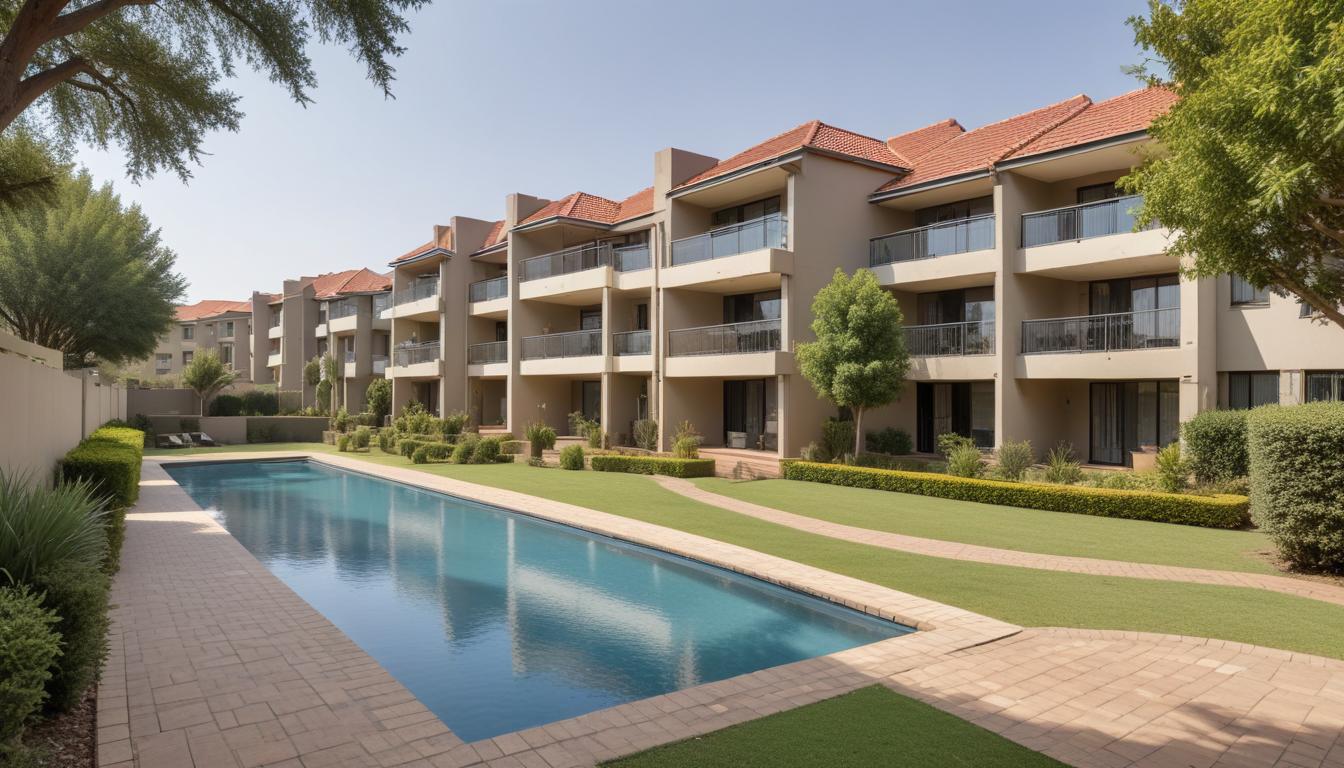
The revised framework also fast-tracks approval for sectional title complexes in Melville and Bryanston—segments that have proven resilient with investor buyers seeking lower-maintenance urban living. This regulatory green light arrives as the sectional title market continues to outpace free-standing residential sales in Johannesburg's middle-to-upper tiers.
For mega-property holders—think ZAR 10M+ estates in Morningside or Dainfern—the policy delivers less direct impact. Those addresses trade on rarity, location prestige and privacy rather than development upside. Yet improved zoning certainty for surrounding areas indirectly supports these assets by reducing blight concerns and encouraging complementary precinct investment.
Institutional investors and family offices are paying attention. Three major property funds have established dedicated Johannesburg teams since the announcement, signalling confidence in the city's regulatory trajectory. Whether this translates into sustained luxury-market activity—particularly amid persistent interest-rate headwinds—remains to be seen. But after years of policy uncertainty, Joburg's luxury sector appears to be pricing in clearer rules of engagement. For now, that alone is reshaping buyer behaviour.
This article was compiled by AI from the sources linked above and screened before publishing. See our editorial standards.
How does this story make you feel?
Spread the word
About this article
Published by The Daily Johannesburg
Daily brief
Free, in your inbox before 7am. Weekdays.
More in Property