Johannesburg's property market is sending mixed signals, and the auction block is where those signals are loudest. Recent transaction data from major clearance venues across the city tells a nuanced story that defies simple cheerleading or doom-mongering.
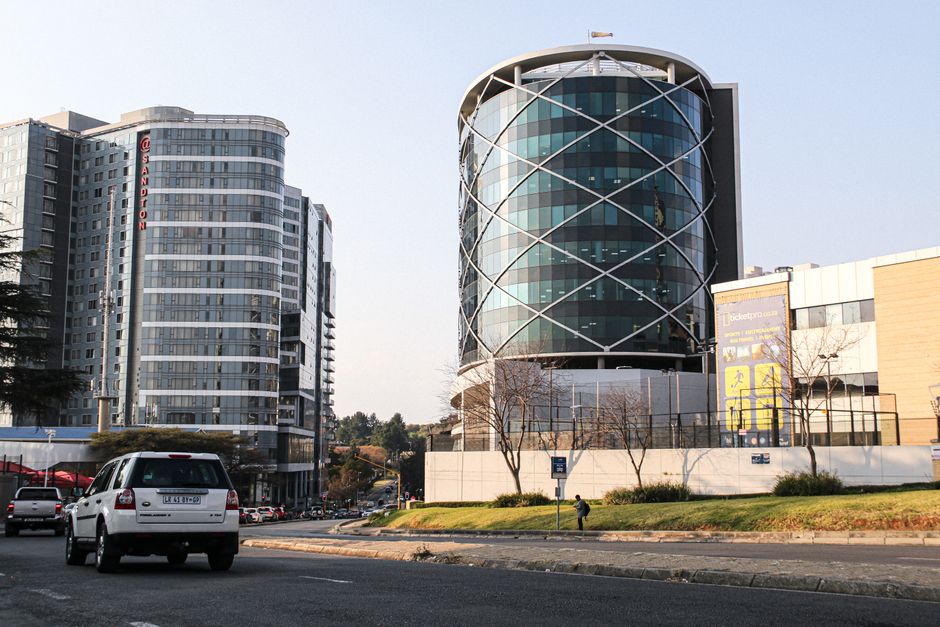
The headline figure is straightforward: the city's average price remains anchored around ZAR 1.5 million, but the distribution underneath that number is reshaping buyer behaviour and investor strategy. Sandton continues to command premium positioning, with sectional titles in the ZAR 3–5 million range attracting domestic and offshore capital—yet auction clearance rates in this bracket have softened to the low 60s, down from historical norms near 75 per cent. That's notable, and it suggests even Joburg's traditional wealth zones are feeling affordability strain.
Where the real signal emerges is in the growth corridors. Fourways and Midrand auction results show persistent demand, but at moderating price growth. Properties that moved for ZAR 2.2–2.8 million 18 months ago are now settling closer to ZAR 2.0–2.4 million. For investors positioned in these nodes, it's neither catastrophe nor boom—it's recalibration. Sectional title apartments, the favoured vehicle for Johannesburg's emerging investor class, are moving faster than freehold houses in these areas, suggesting buyers are prioritising affordability and maintenance-lite ownership.
Melville's urban renewal narrative is similarly mixed. Some streets—particularly around 7th Avenue and the Melville precinct itself—show pockets of strength, with renovated period properties achieving premium multiples. But surrounding blocks tell a different story: auction data indicates a widening gap between aspirational pricing and achieved prices, with vendors learning the hard way that nostalgia doesn't command the premium it once did.
The entry-level segment, traditionally Joburg's volume driver, is where affordability stress is most acute. Properties under ZAR 1 million are moving, but auction volumes in this category have contracted. Withdrawal rates—properties that fail to meet reserve and are pulled from sale—have climbed to nearly 30 per cent on sub-ZAR 1 million stock, a five-year high. That's the market's way of signalling that price discovery is incomplete; vendors are still anchored to pre-2024 valuations.
For prospective buyers and investors, the message is clear: the days of automatic appreciation are gone. Selectivity by location, condition, and typology now determines outcomes. The auction results aren't predicting collapse—clearance rates remain functional—but they are signalling that Johannesburg's property market has entered a phase where leverage, leverage timing, and asset selection matter far more than simply owning property.
This article was compiled by AI from the sources linked above and screened before publishing. See our editorial standards.