The rental market in Johannesburg is sending mixed signals, and nowhere is the tension more visible than in traditionally strong suburbs like Melville, Fourways, and Sandton, where landlords are holding firm on prices while tenants increasingly negotiate downwards.
Data from property portals tracking the past 18 months reveals a telling pattern: average rental prices across metropolitan Johannesburg have plateaued around ZAR 12,000–18,000 monthly for a two-bedroom apartment, yet vacancy rates in mid-tier suburbs have drifted toward 12–15%, well above the historical comfort zone of 5–8%. In Fourways and Midrand, where corporate tenancy traditionally anchored demand, landlords report longer turnaround times between tenants and greater pressure to offer concessional rates or rent-free periods.
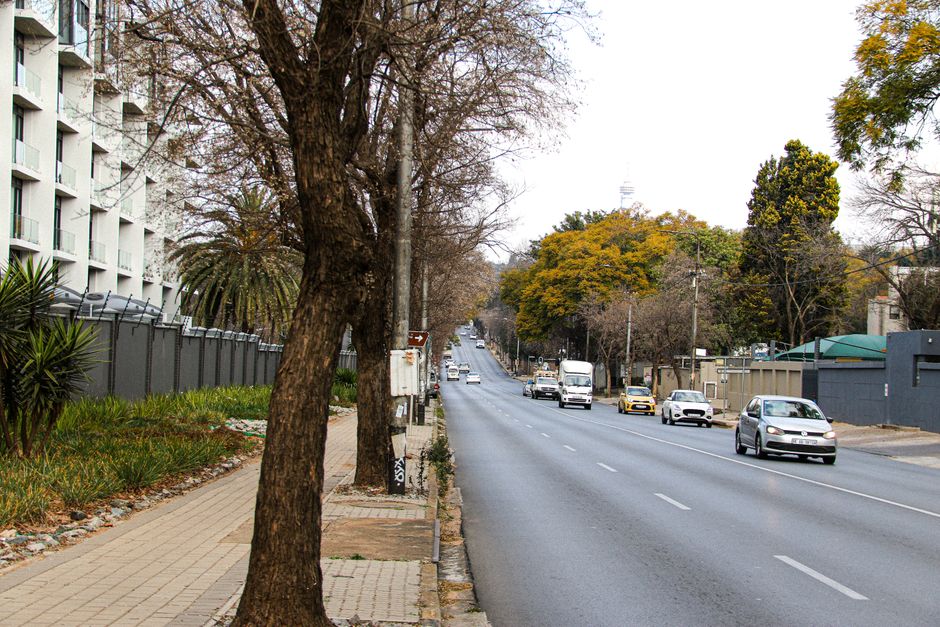
For renters, particularly young professionals clustered in Melville and the surrounding urban renewal corridor, the picture is paradoxical. While nominal rental growth has slowed, operational costs—water, electricity, and municipal rates—continue climbing steeply. A sectional title unit on 7th Street in Melville, which might rent for ZAR 14,500 monthly, now carries levies exceeding ZAR 2,500, squeezing tenant margins considerably.
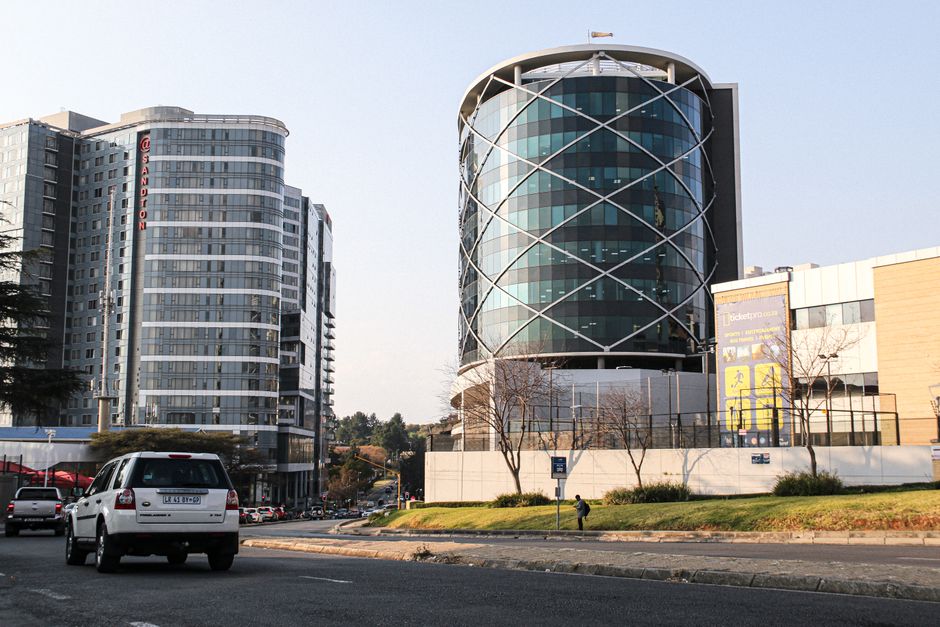
"We're seeing a bifurcated market," explains the sentiment emerging from property management circles. Premium properties in Sandton's gated estates remain competitive, with institutional investor demand sustaining yields around 5–6%. Yet in secondary locations—areas like Bryanston East and parts of Midrand—landlords increasingly absorb vacancy costs or accept sub-inflation rental growth to retain quality tenants.
The structural issue facing both parties centres on financing and regulation. Landlords refinancing mortgages at higher rates face margin compression, while tenants navigating the rental application process encounter stricter income verification and deposit requirements. Organisations supporting rental rights have noted an uptick in disputes over maintenance responsibilities and deposit returns, suggesting growing friction as financial pressure mounts on both sides.
Investors eyeing Johannesburg's rental market must now weigh yield expectations realistically. The days of 8–10% gross returns on suburban apartments have largely passed. Instead, savvy investors are targeting mixed-use developments and sectional titles in regeneration zones like the Maboneng Precinct, where management density and alternative revenue streams (retail, co-working) offset residential rental compression.
For tenants, the message is clearer: negotiate, but do so informed. The rental market is cooler than headlines suggest, offering genuine room for discussion on lease terms, break clauses, and inclusions—particularly in Fourways and outer Midrand, where landlord flexibility has visibly increased.
This article was compiled by AI from the sources linked above and screened before publishing. See our editorial standards.