Landlords Face Pressure as Joburg's Rental Vacancy Crisis Reshapes Market Power
With vacancy rates climbing across Johannesburg's key nodes, the balance of power is shifting—and both tenants and property owners are scrambling to adapt.
With vacancy rates climbing across Johannesburg's key nodes, the balance of power is shifting—and both tenants and property owners are scrambling to adapt.
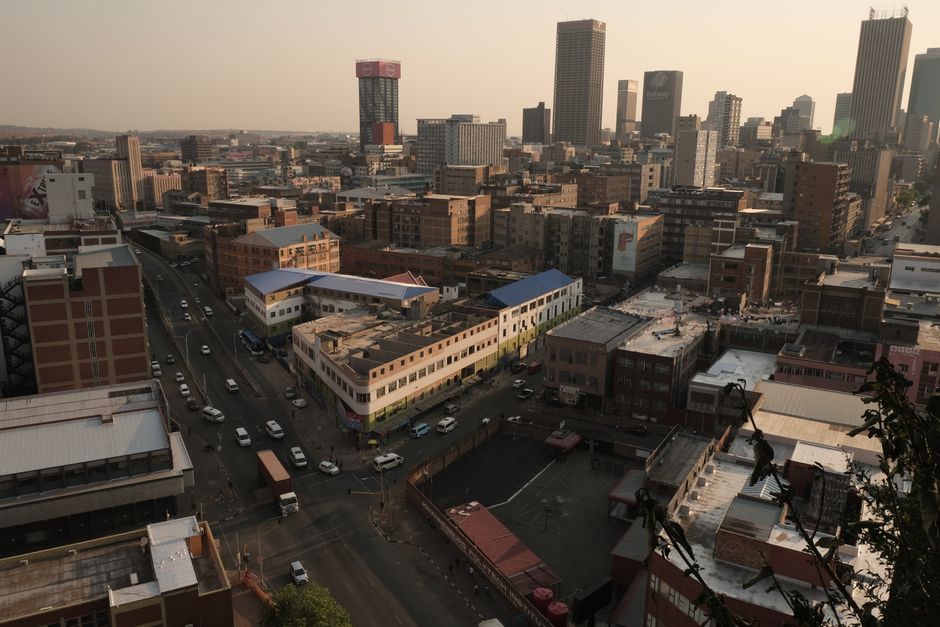
The rental market in Johannesburg is experiencing a historic realignment. Vacancy rates across prime residential nodes—from the tree-lined streets of Melville to the high-rise precincts of the Sandton CBD—have climbed to levels not seen in nearly a decade, fundamentally reshaping the relationship between landlords and tenants.
Data from property portals suggests that vacancy rates in sectional title complexes, traditionally the backbone of Johannesburg's rental investment market, have drifted toward 12–15% in suburbs like Fourways and Midrand. Compare this to the 6–8% baseline of 2023, and the shift becomes stark. For landlords, this means extended void periods and mounting pressure on rental yields. For tenants, it translates into genuine negotiating power—a luxury few have experienced in Johannesburg's property market for years.
The implications are already visible on the ground. Properties along Jan Smuts Avenue in Melville, once commanding premium rates, are now offering two months' free rent or reduced deposits to secure long-term tenants. Similar incentives have become commonplace in Fourways, where new complexes are competing aggressively for occupancy. The average rental price in Johannesburg hovers around ZAR 1.5 million per annum for mid-range sectional titles, but negotiation space has widened considerably.
For tenants, the softer market offers unexpected leverage. Those renewing leases or seeking new accommodation can realistically negotiate 5–10% reductions on advertised rates, particularly in oversupplied clusters. However, this advantage comes with caveats: landlords are increasingly selective about tenant profiles, with credit checks and employment verification becoming more rigorous. The risk of rent default—a persistent challenge in Johannesburg's informal and semi-formal rental sectors—has made owners more cautious.
Landlords, meanwhile, are consolidating their portfolios. Some are opting to leave properties vacant rather than accept below-market rates, betting on a market rebound. Others are pivoting toward corporate housing solutions, where long-term lease agreements with relocation firms provide stability, albeit at lower rates. Property management firms in the northern suburbs report increased inquiries about expense reduction and tenant retention strategies.
The broader question is durability. Rising interest rates, persistent economic headwinds, and emigration trends among high-income earners continue to constrain demand. Yet Johannesburg's rental fundamentals—its role as the country's employment hub, the steady influx of corporate relocations, and the enduring appeal of nodes like Sandton and the Melville urban renewal precinct—suggest this imbalance may self-correct within 18–24 months.
For now, both tenants and landlords operate in a rare moment of parity. Neither side can afford complacency.
This article was compiled by AI from the sources linked above and screened before publishing. See our editorial standards.
How does this story make you feel?
Spread the word
About this article
Published by The Daily Johannesburg
Daily brief
Free, in your inbox before 7am. Weekdays.
More in Property