How Joburg's Planning Reforms Are Reshaping Rental Yields for Property Investors
New zoning flexibility and densification policies in key precincts are forcing landlords to rethink traditional buy-and-hold strategies across the city.
New zoning flexibility and densification policies in key precincts are forcing landlords to rethink traditional buy-and-hold strategies across the city.
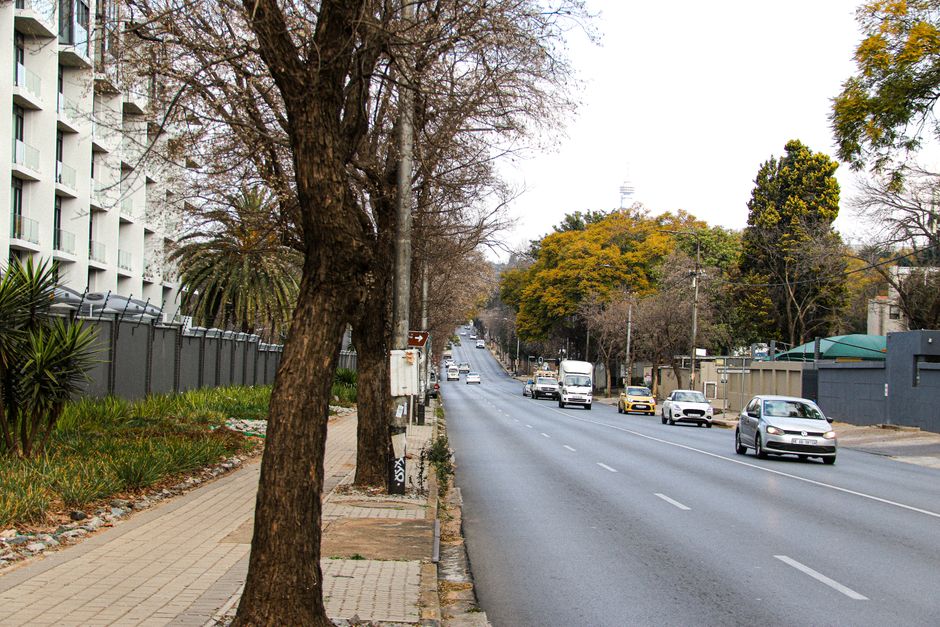
Johannesburg's property investment landscape is being quietly rewritten by planning decisions that few landlords are yet fully accounting for. The City's recent rezoning approvals in the Melville Urban Renewal Precinct and corridor densification along the Rosebank-Sandton axis are creating winners and losers among yield-focused investors—and those caught flat-footed risk seeing their assumptions unravel.
The shift began last year when the City relaxed zoning restrictions to permit mixed-use developments and sectional title conversions in historically single-use residential areas. For investors holding traditional single-family rentals in Fourways and Midrand, this policy change cuts both ways. Property values in these growth nodes have climbed toward ZAR 2.8–3.2 million for family homes, but new by-laws now allow neighbouring plots to be subdivided and developed as dual-occupancy or apartment blocks. This intensification drives down net rental yields as new supply meets stagnant tenant demand.
Conversely, savvy investors repositioning assets ahead of these changes are capturing gains. Sectional title developments in Melville, which the City has fast-tracked through its planning approval process, have attracted strong institutional buyer interest. Yields on newer apartment blocks in that precinct now hover around 5.8–6.2%, compared to 4.1–4.7% for comparable standalone houses in northern suburbs—a meaningful spread that reflects perceived policy-driven durability.
What's driving this? The City's 2025 Integrated Development Plan explicitly prioritises housing density near major employment hubs and transport corridors. Fourways, despite its premium positioning, falls partly within the identified densification zone. Landlords with portfolios there face a uncomfortable reality: plan for conversion, or accept yield compression as competition intensifies.
The implications are concrete. A landlord holding a ZAR 1.8 million property in Fourways might have banked on 5% yields; new zoning flexibility and increased supply could whittle that to 3.8% within five years. Meanwhile, an investor who bought a sectional title unit in Melville three years ago—before the densification push accelerated—now commands rental premiums from young professionals willing to pay for walkability and mixed-use amenities.
The lesson is blunt: yield forecasting without reference to local planning trajectories is now dangerously naive. Investors must scrutinise ward-level precinct plans, attend City planning forums, and model scenarios around intensification. The average Joburg investor still plays property as a passive buy-and-hold game; the shrewd ones are reading the City's zoning roadmap like a stock prospectus.
Policy doesn't move markets overnight—but it moves them relentlessly. Those watching the City's planning department closely will prosper. Those ignoring it will wonder why their rentals stalled.
This article was compiled by AI from the sources linked above and screened before publishing. See our editorial standards.
How does this story make you feel?
Spread the word
About this article
Published by The Daily Johannesburg
Daily brief
Free, in your inbox before 7am. Weekdays.
More in Property